Transport operators across Ghana have suspended plans to increase fares following government’s decision to reduce fuel prices, a move expected to bring relief to commuters and ease operational pressures within the sector.
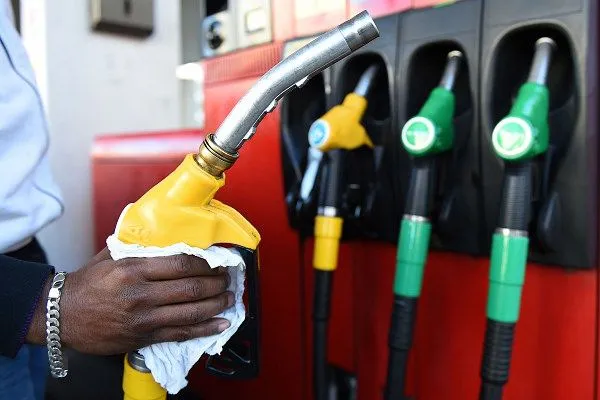
The decision comes after the government announced a reduction of GH¢2.00 per litre on diesel and GH¢0.36 per litre on petrol, effective April 16, 2026.

The intervention forms part of broader measures aimed at stabilising petroleum prices and cushioning the impact of rising fuel costs on households and businesses.
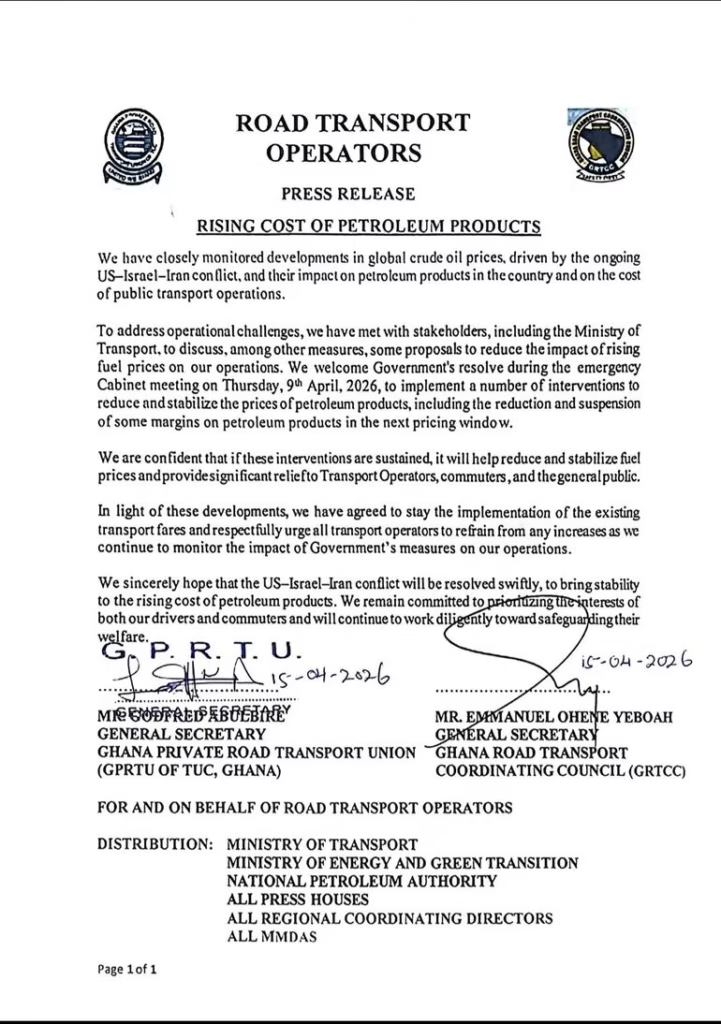
In a joint statement issued on April 15, the Ghana Private Road Transport Union and the Ghana Road Transport Coordinating Council confirmed that they would hold off on any planned fare adjustments.
The two bodies indicated that the decision followed consultations with key stakeholders, including the Ministry of Transport.
According to the unions, the move is a direct response to government efforts to reduce and stabilise fuel prices, which have been influenced by global market trends.
They noted that the transport sector has been closely monitoring developments in crude oil prices, particularly the impact of the ongoing US-Israel-Iran conflict on petroleum costs.
“We have closely monitored developments in global crude oil prices… and their impact on petroleum products in the country and on the cost of public transport operations,” the statement said.
The unions described the government’s intervention as timely, noting that it offers immediate relief to both operators and commuters who have been grappling with rising transport costs.
They also expressed confidence that if the measures are sustained, they could lead to further stability in the sector.
“We welcome Government’s resolve… to implement interventions to reduce and stabilise the prices of petroleum products,” the statement added, referencing decisions taken during a recent emergency Cabinet meeting.
As a result of these developments, transport operators have agreed to maintain existing fares and have urged all drivers and transport providers to comply with the directive.
The unions emphasised the importance of collective action in ensuring that the benefits of the fuel price reduction are passed on to the public.
“In light of these developments, we have agreed to stay the implementation of the existing transport fares and respectfully urge all transport operators to refrain from any increases,” they stated.
The announcement has been welcomed by many commuters, who had anticipated a potential fare hike amid recent increases in fuel prices.
By holding fares steady, the transport unions are expected to ease financial pressure on daily commuters and support economic stability in the short term.
Looking ahead, the unions expressed hope that global tensions affecting fuel prices would ease, particularly the ongoing conflict influencing crude oil markets. They reaffirmed their commitment to balancing the interests of transport operators with those of the commuting public while continuing to monitor fuel price trends.
The decision highlights the strong link between fuel pricing policies and transport costs in Ghana, and the critical role government interventions can play in stabilising the economy and protecting consumers.