|
Getting your Trinity Audio player ready...
|
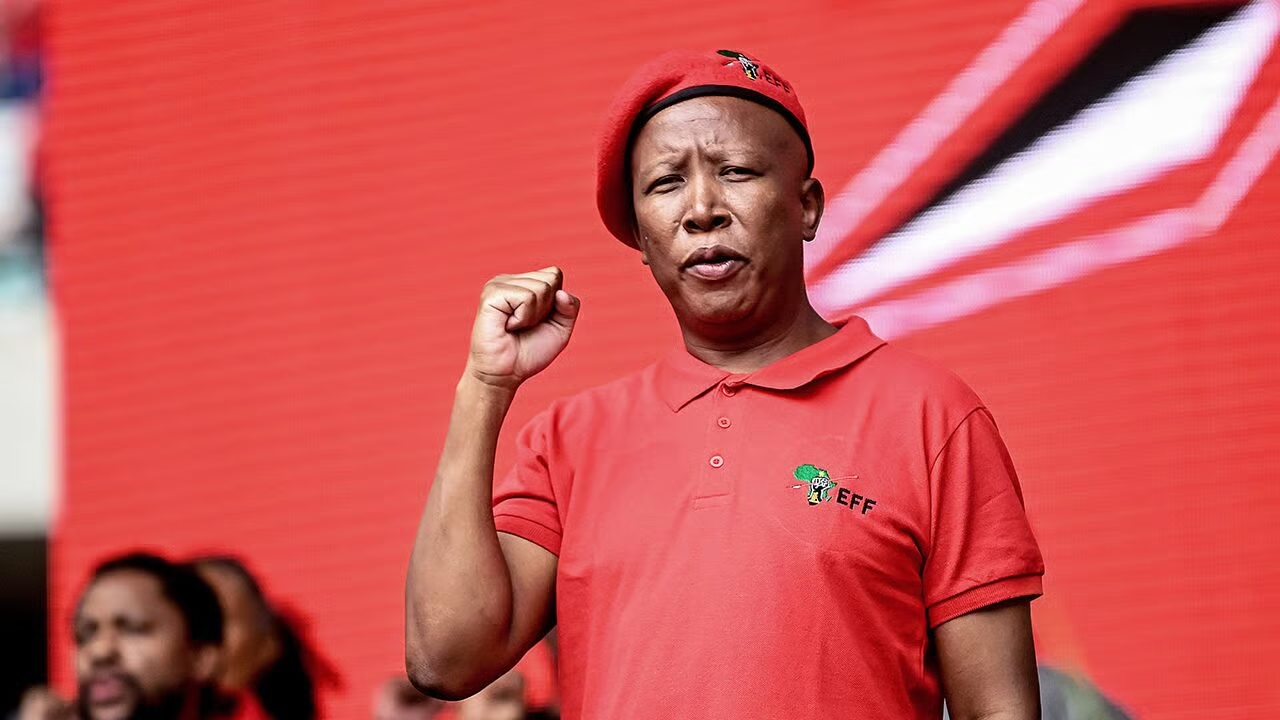
Leader of South Africa’s Economic Freedom Fighters (EFF), Julius Malema, has criticised Ghana’s reaction to recent tensions involving Ghanaian nationals in South Africa, saying the response risked escalating an already sensitive situation.
Speaking to the press, the outspoken politician argued that Ghana’s approach came too early and could create dangerous perceptions about South Africans as a whole.
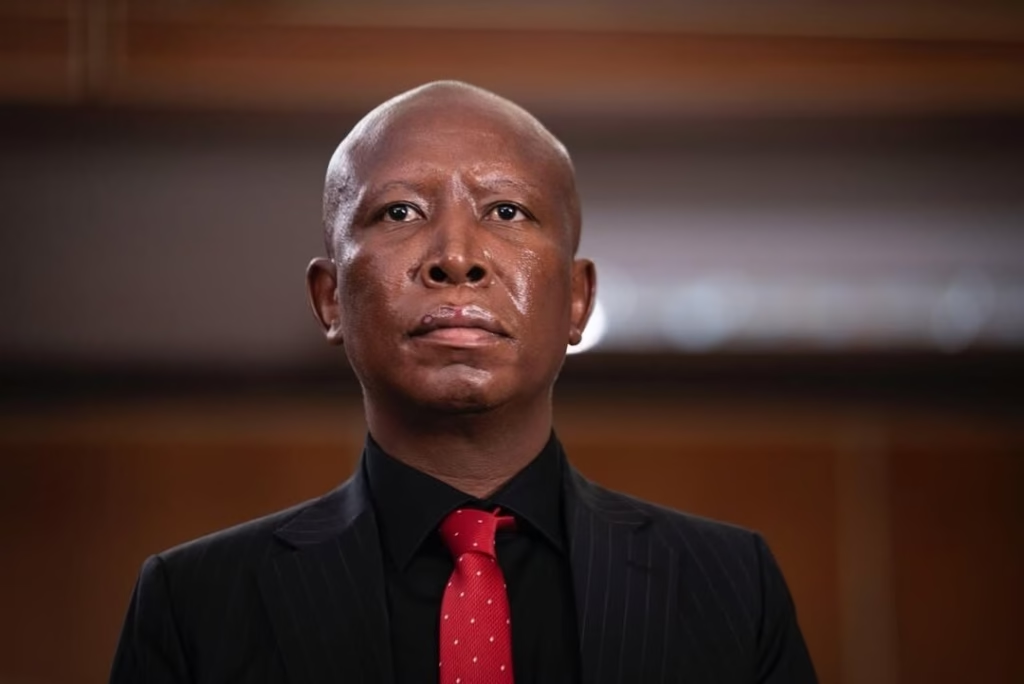
“The Ghana response was not necessary, and it now creates a perception that we are all like that,” he said.
His comments come amid growing concerns over reported xenophobic incidents involving some Ghanaian nationals living in South Africa. The situation recently triggered discussions between both countries after Ghana announced plans to support the voluntary evacuation of citizens who wished to return home.
According to Malema, diplomatic engagement and dialogue would have been a more effective approach rather than public reactions that could intensify tensions.
“We don’t think Ghana responded in a manner that really enforces dialogue and diplomatic engagement. It actually creates a very bad, extreme situation,” he stated.
The EFF leader explained that South African authorities are still working behind the scenes to stabilise the situation and protect foreign nationals affected by the tensions.
“We are persuading government to still act on this, and we are saying they must give us time,” he said.
Malema stressed that legally documented Ghanaian migrants who feel unsafe should seek protection from law enforcement agencies without fear.
“Those that feel safe, especially the legally documented Ghanaians, should be able to run to the police station for safety, and they will be directed to rightful places where they will be secured,” he added.
The politician also referenced emotional accounts from some affected Ghanaian nationals, including reports from a Ghanaian woman who allegedly experienced mistreatment and claimed police failed to intervene in certain incidents.
According to Malema, while the emotional pain and fear among migrants are understandable, governments must avoid reactions that could worsen tensions between citizens of both countries.
“This is an emotional issue for many of them, and I understand that,” he noted.
However, he insisted that Ghana should have allowed South African authorities more time to address the issue internally before making public interventions.
“We think the reaction from the Ghana government should have been postponed a bit to give us the opportunity to deal with what is happening here in South Africa,” he said.
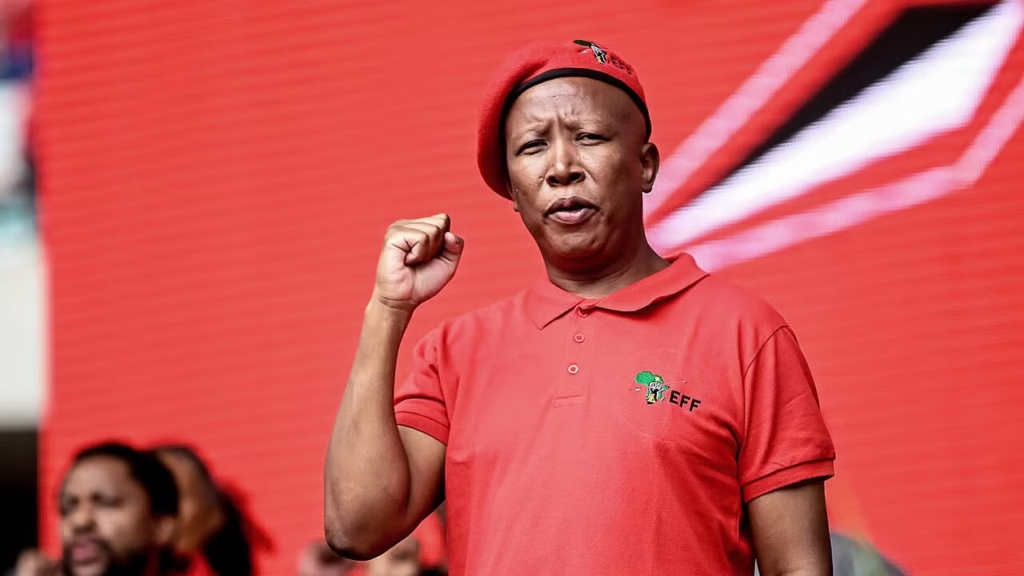
The recent tensions have sparked widespread debate across social media and political circles, with concerns growing over xenophobia and the safety of African migrants living in South Africa.
Ghana’s government had earlier announced plans to facilitate the voluntary evacuation of citizens following reports of attacks and threats targeting some Ghanaians in parts of South Africa.
The development has reignited conversations about migration, regional unity and the treatment of foreign nationals across the African continent.
Meanwhile, diplomatic engagements between both countries are expected to continue as authorities work to calm tensions and ensure the safety of affected individuals.