
Fuel prices in Ghana could see a significant increase in April 2026, with projections suggesting that petrol and diesel may rise to as high as GH¢18 per litre, according to the Chamber of Petroleum Consumers (COPEC).
The warning, reported by Citi Newsroom, comes at a time of growing concern over developments in the global oil market and the continued depreciation of the Ghanaian cedi against major international currencies.
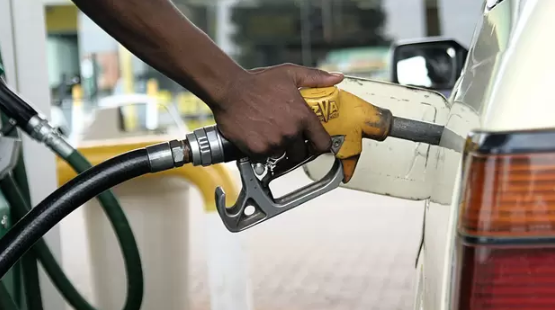
COPEC attributes the expected surge in fuel prices primarily to rising crude oil prices on the international market. In recent months, global oil prices have experienced fluctuations driven by supply constraints, geopolitical tensions, and shifts in demand, all of which have contributed to upward pressure on petroleum product costs.
Another major factor highlighted by COPEC is the weakening of the cedi. Since fuel imports are priced in U.S. dollars, any depreciation of the local currency significantly increases the cost of importing refined petroleum products into the country. This exchange rate pressure is often directly passed on to consumers at the pump.
If fuel prices reach the projected GH¢18 per litre mark, the impact is expected to be felt across multiple sectors of the economy. Transportation costs are likely to rise, as commercial drivers adjust fares to reflect higher fuel expenses. This, in turn, could trigger increases in the prices of goods and services, particularly food items, as businesses pass on operational costs to consumers.
The potential increase also raises concerns about the overall cost of living, especially for households already dealing with economic pressures. Fuel pricing remains a critical issue in Ghana due to its far-reaching effects on daily life and economic activity.
COPEC has previously called on the government to implement measures to cushion consumers from such price shocks. These include reviewing taxes on petroleum products and taking steps to stabilise the local currency to reduce the impact of exchange rate fluctuations.
Over the years, Ghana has experienced several cycles of fuel price hikes, often tied to global oil trends and currency performance. While there have been occasional reductions, increases tend to have a more immediate and widespread impact on the economy.
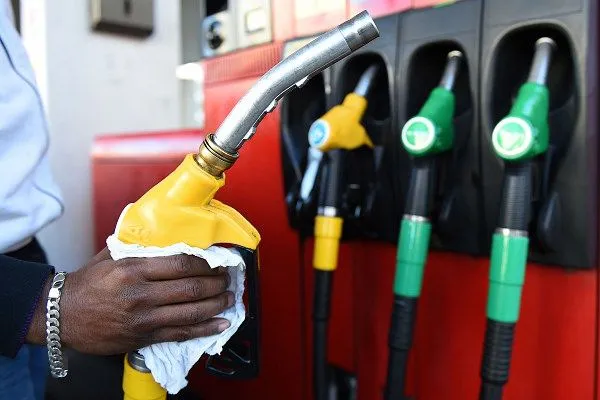
Industry analysts warn that unless there is a significant improvement in the performance of the cedi or a decline in global oil prices, the upward trend in fuel costs could persist in the coming months.
As April approaches, both consumers and businesses are bracing for the potential increase, with many closely monitoring developments in the global oil market and the local economic environment.
COPEC’s projection serves as an early signal of what could lie ahead, highlighting the need for strategic interventions to manage the impact and protect consumers from rising energy costs.