Former Ghana Football Association (GFA) president Kwesi Nyantakyi has opened up about the profound personal and professional toll of investigative journalist Anas Aremeyaw Anas’ 2018 exposé, describing the damage to his life as “irreparable.”
Speaking on the AM Show, Nyantakyi reflected on the aftermath of the “Number 12” undercover investigation, which uncovered widespread corruption within Ghanaian football and ultimately led to his lifetime ban from football administration by the GFA Ethics Committee.
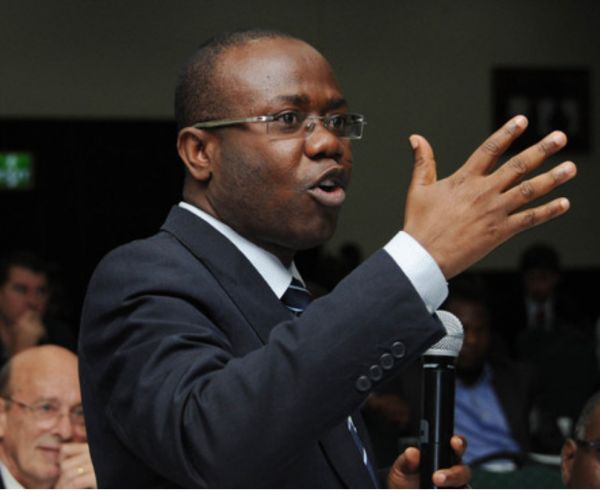
“The damage is irreparable, but I don’t have anything against him,” Nyantakyi said, referring to Anas. “He should relax. If his conscience is battling with him, it’s between him and God.”
Nyantakyi’s comments come years after the explosive documentary rocked Ghana’s football landscape, exposing officials allegedly soliciting bribes, manipulating refereeing decisions, and abusing their positions of authority. The revelations resulted in sweeping reforms within the GFA and sanctions against several football administrators and referees.
Beyond the professional consequences, Nyantakyi revealed the deep emotional strain the exposé placed on his family, particularly his children. He recounted a painful moment involving his nine-year-old daughter, who confronted him after hearing allegations aired in the media.
“My daughter was in GIS at that time, and she asked me, ‘Daddy, is it true that you are a thief?’” he narrated. “She said she heard it on the radio. Imagine a judgment by your own daughter that you heard you are a thief.”
According to Nyantakyi, that moment captured the personal devastation caused by the public scandal, noting that the reputational damage extended far beyond football administration.
He explained that following the exposé, he experienced a noticeable shift in how people treated him, both socially and professionally.
“The condescending posture of some people towards you… They see you as a condemned criminal. The aura of respectability around you is broken. It was very damning,” he said.
Nyantakyi noted that opportunities he once had access to were suddenly no longer available, as public perception shifted sharply against him. He described the period as one marked by isolation, emotional distress, and psychological pressure.
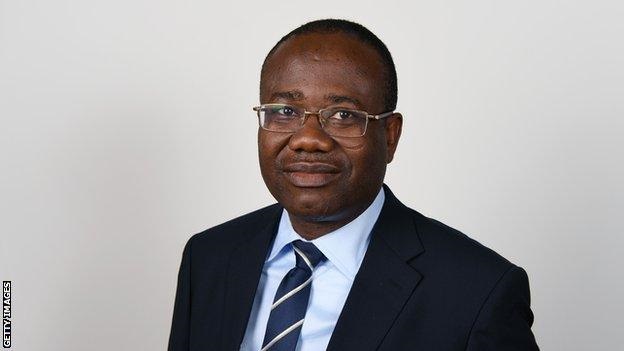
Despite the ordeal, the former GFA president expressed gratitude to friends and close associates who stood by him during what he described as one of the most challenging phases of his life.
The “Number 12” investigation remains one of the most significant moments in Ghana’s sports history. While it exposed systemic corruption and triggered institutional reforms, Nyantakyi’s remarks highlight the enduring personal cost of public investigative journalism on those implicated.
His reflections have reignited public debate about accountability, justice, reputational damage, and the human impact of high-profile exposés in Ghana’s media and sports landscape.