

The Tricycle Operators Association of Ghana has announced a series of new measures aimed at tackling indiscipline and improving safety within the country’s rapidly growing tricycle transport sector.
The initiative includes the introduction of identification stickers for operators and the formation of a dedicated task force to enforce compliance across the industry.

The announcement was made by Seidu Mubarak, Ashanti Regional Chairman of the National Union of Tricycle Operators of Ghana, during an interview on April 13.
He explained that the move is designed to bring order, accountability, and professionalism to a sector that has expanded significantly in recent years.
Under the new system, all tricycles—popularly known as “pragya”—will be required to display unique identification stickers.
These stickers are expected to make it easier for authorities and the public to identify and track operators, thereby reducing cases of misconduct such as reckless riding, unregistered operations, and violations of traffic regulations.
In addition to the identification system, the association will deploy a task force tasked with monitoring the activities of riders across various regions.
The team will work closely with relevant authorities to ensure strict adherence to road safety rules and operational guidelines.
The aim is to promote discipline among operators while safeguarding passengers and other road users.
The move comes in response to growing public concern over safety issues associated with tricycle operations.
Complaints have ranged from overloading and disregard for traffic laws to the use of unapproved routes.
These concerns have prompted calls for stronger regulation and oversight within the sector.
The initiative also aligns with ongoing national efforts to formalise the commercial use of motorcycles and tricycles.
Parliament of Ghana recently passed amendments to the Road Traffic Act to regulate such services, with the broader goal of improving safety standards and integrating these modes of transport into the country’s official transport framework.
According to the association, the rollout of the new measures will be done in phases to ensure a smooth transition.
Education and sensitisation campaigns will accompany enforcement efforts, helping operators understand the importance of compliance and the benefits of the new system.
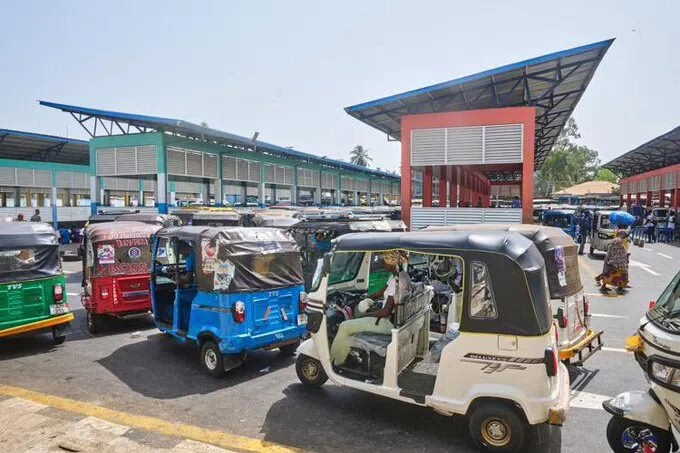
Industry observers believe the introduction of ID stickers and a monitoring task force could significantly improve the image and reliability of tricycle services in Ghana.
By promoting accountability and enforcing standards, the initiative is expected to enhance public confidence and contribute to safer roads.
As the pragya sector continues to play an essential role in urban and peri-urban transportation, especially in areas underserved by traditional public transport, such reforms are seen as crucial steps toward sustainability and regulation.
Ultimately, the success of the initiative will depend on consistent enforcement and cooperation between operators, authorities, and the public.
If effectively implemented, it could mark a turning point in addressing indiscipline and elevating standards within Ghana’s transport sector.