|
Getting your Trinity Audio player ready...
|
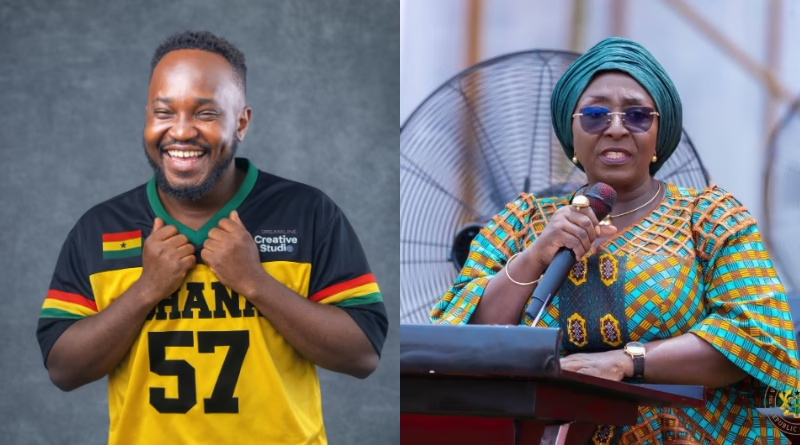
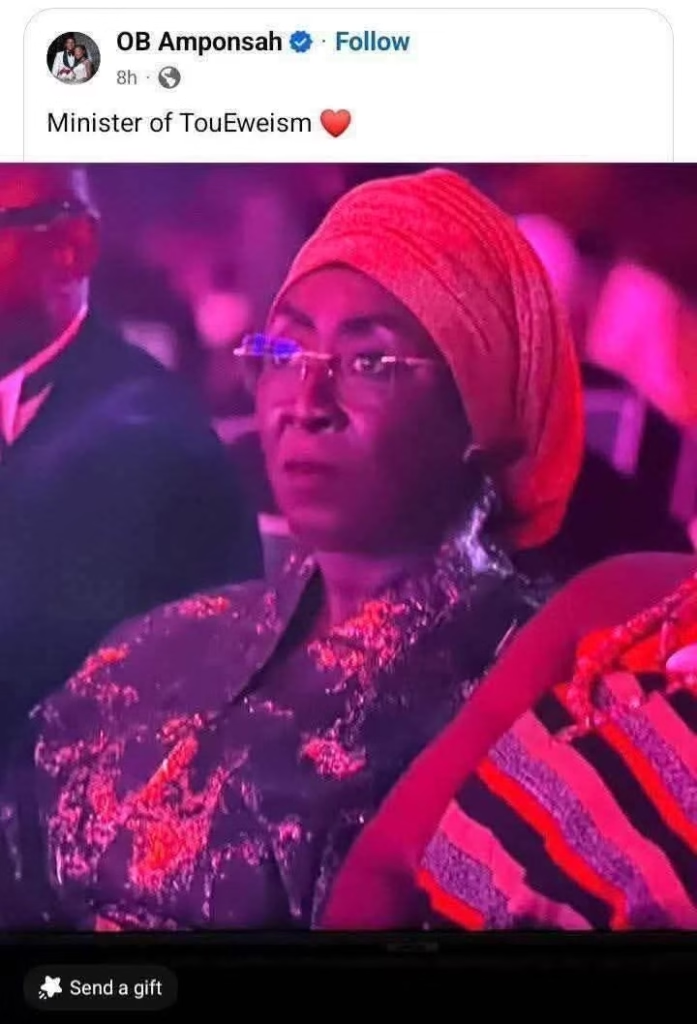
Ghanaian comedian OB Amponsah has found himself at the centre of controversy following a now-deleted Facebook post about the Minister for Tourism, Culture and Creative Arts, Dzifa Abla Gomashie.
What initially appeared to be a casual or humorous social media comment quickly escalated into a heated online debate, with some users interpreting the post through tribal and ethnic lenses.
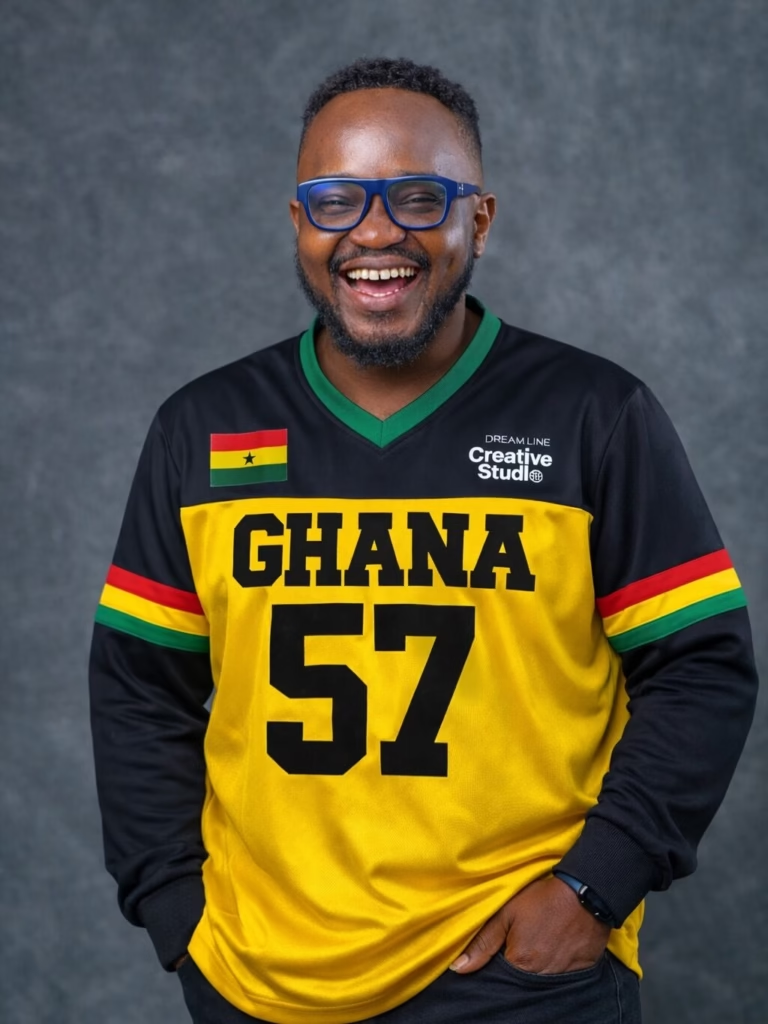
The incident has since sparked widespread reactions across social media platforms, with several users criticising the comedian and demanding that he publicly apologise for the remarks.
Although the exact wording of the deleted post has continued to circulate online through screenshots and discussions, reactions to the incident remain deeply divided.
While some social media users defended OB Amponsah, arguing that the post was misunderstood or taken out of context, others insisted that the comments were insensitive and inappropriate, especially considering Ghana’s sensitive conversations around tribal identity and public discourse.
Several critics argued that public figures and celebrities must exercise caution when making comments online, particularly on topics capable of triggering ethnic tension or political controversy.
Others, however, maintained that the backlash may have been exaggerated, suggesting that the comedian’s intentions may not have been malicious.
The controversy has generated intense debate about freedom of expression, comedy, satire, and the responsibilities that come with having a large public platform.
As discussions intensified online, the comedian eventually deleted the post, but that did little to slow the growing reactions from users across multiple platforms.
At the time of writing, OB Amponsah has not publicly addressed the backlash or released an official statement regarding the matter.
The incident has once again highlighted the powerful role social media now plays in shaping public conversations within Ghana’s entertainment and political spaces.
In recent years, comments made by celebrities, influencers, and public personalities online have increasingly become national talking points, often leading to intense public scrutiny and debate.
Social media users continue to hold public figures accountable for statements perceived as offensive, divisive, or insensitive, especially on issues linked to politics, ethnicity, religion, and culture.
The situation involving OB Amponsah has also reignited discussions about the blurred line between humour and offence in today’s digital era.
Known for his bold comedy style and social commentary, the comedian has built a reputation for tackling controversial and relatable issues through satire and stand-up comedy.
However, critics argue that the influence of social media means comedians and entertainers must be more careful about how certain jokes or comments may be interpreted by audiences from different backgrounds.
Supporters of the comedian, on the other hand, believe the public should also consider context and intent before drawing conclusions about social media posts.
As the debate continues online, many observers believe the incident reflects broader tensions around online communication, public accountability, and the speed at which controversies now spread in Ghana’s digital landscape.
Whether OB Amponsah eventually responds publicly or not, the incident has already become one of the latest examples of how a single social media post can quickly dominate conversations nationwide.