Ghanaian Afro-dancehall star Stonebwoy has stirred public debate after claiming that his hit song Jejereje contributed to the victory of the National Democratic Congress (NDC) in Ghana’s 2024 general elections.
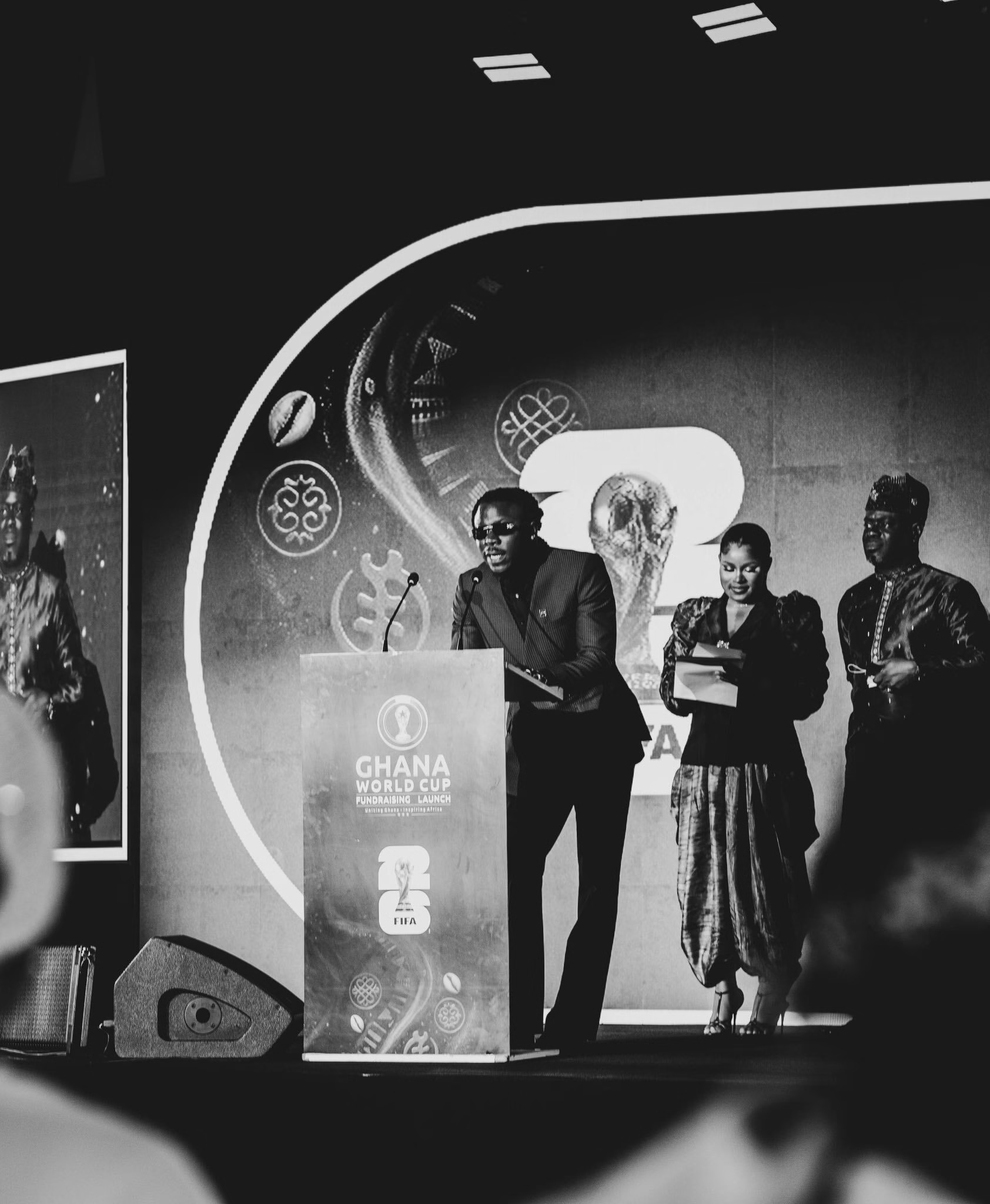
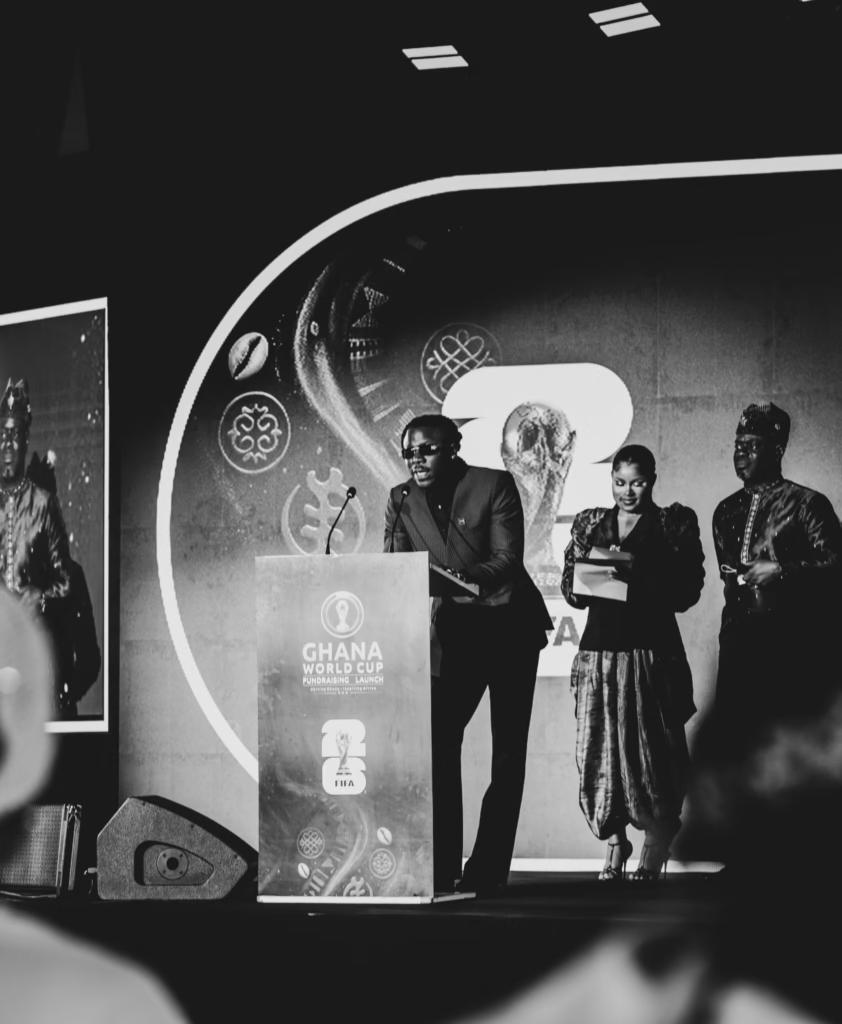
The award-winning artiste made the remarks during the launch of Ghana’s fundraising campaign for the 2026 FIFA World Cup, where he spoke about the broader impact of music beyond entertainment.
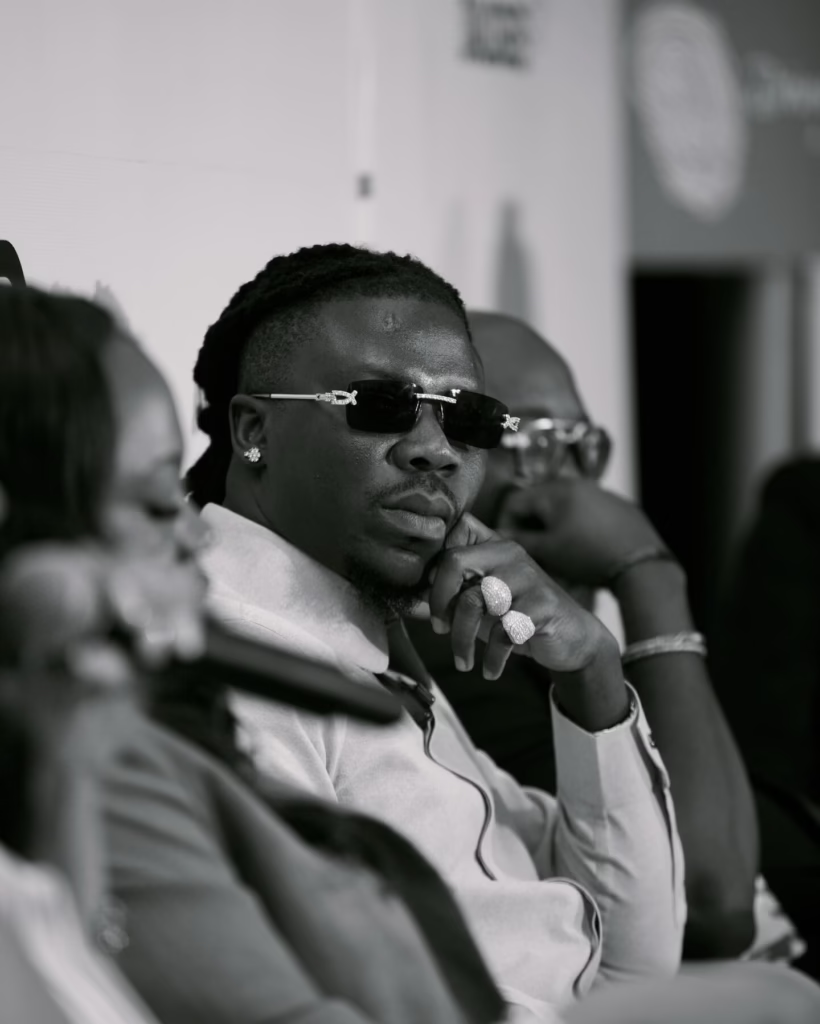
According to Stonebwoy, his contribution to the political climate at the time went beyond performance and entered the realm of influence, particularly through the release of Jejereje.
“When we speak about contributions, I believe mine was quite significant in helping the NDC win power; I say this because people have heard the song,” he said, before briefly performing a portion of the track.
The comment has since generated widespread reactions, with many Ghanaians debating the extent to which music can shape political outcomes.
Stonebwoy explained that the song was strategically released during a tense period in the country, when political emotions were running high ahead of the elections. He noted that his intention was not necessarily partisan, but rather to help calm tensions and promote a sense of unity.
“I created the song because I genuinely believe in a reset,” he stated, referencing the NDC’s widely discussed “reset” agenda at the time. “In my view, I ensured it was released at a time when the system needed some calm, as tensions were high, and that was my way of contributing.”
The artiste also revealed that the production process behind Jejereje was both rapid and expensive. According to him, the song was put together in less than 24 hours with the support of a skilled team of producers.
He disclosed that the project cost approximately $20,000, underscoring the level of investment and urgency that went into its creation.
Stonebwoy’s remarks have reignited conversations about the intersection of music and politics in Ghana, a country where artistes have historically played influential roles during election periods. From campaign songs to public endorsements, musicians often serve as powerful voices capable of shaping public opinion, especially among the youth.
While some supporters agree with Stonebwoy’s assertion, arguing that music can influence mood, messaging and voter engagement, others believe his comments may overstate the role of a single song in determining electoral outcomes.
Nonetheless, the discussion highlights the growing recognition of creative arts as a tool for social and political expression. As Ghana continues to evolve democratically, the role of musicians like Stonebwoy in shaping national conversations remains significant.
Whether Jejereje directly influenced the election result or simply contributed to the broader cultural atmosphere, its impact has clearly extended beyond the music charts into the national discourse.