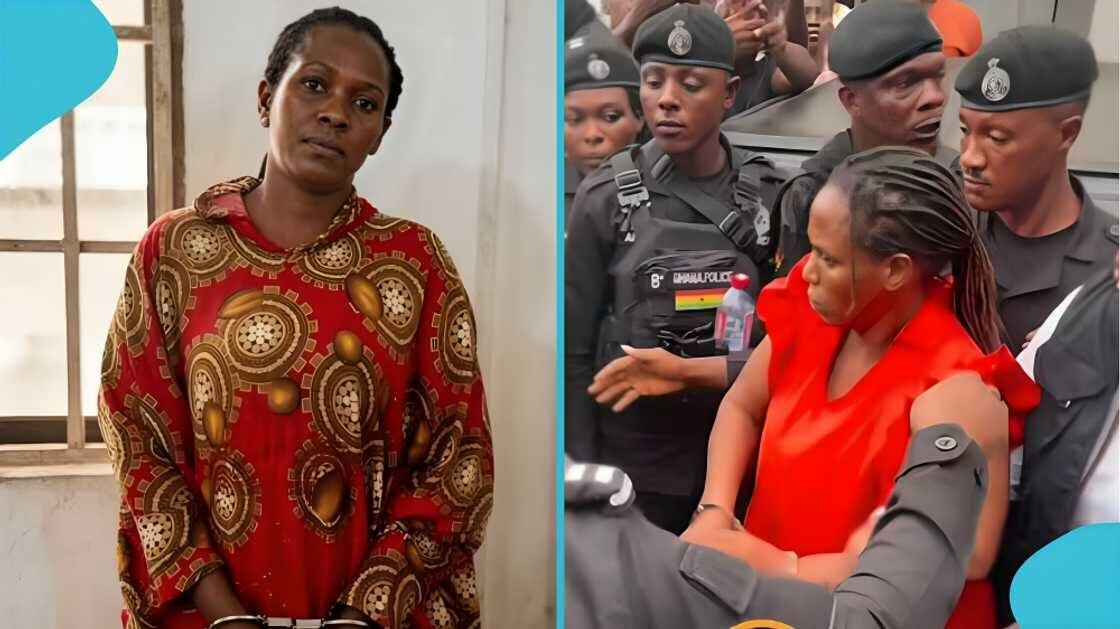
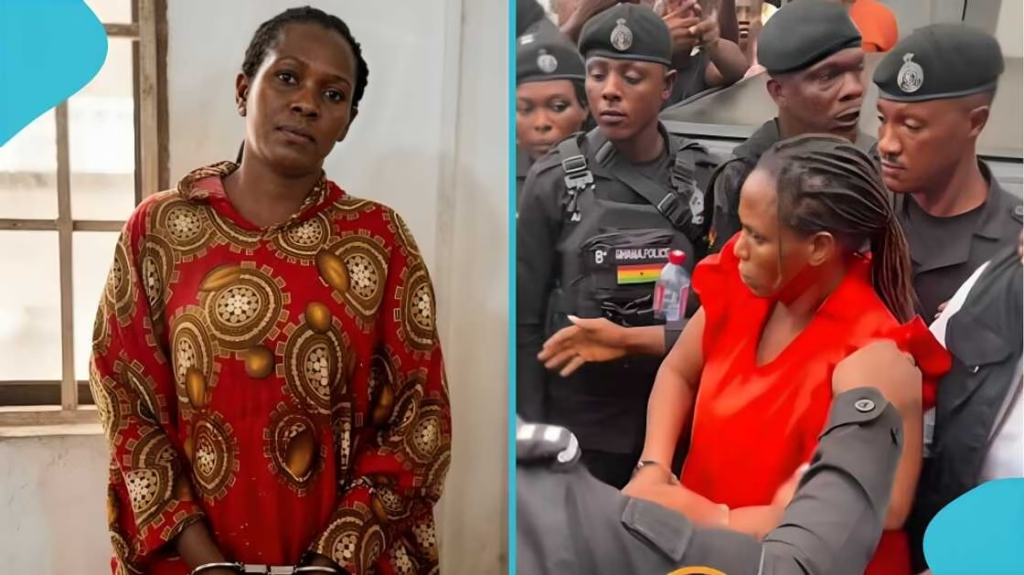
An Accra Circuit Court has sentenced Ghanaian TikToker Camilla Alhassan to one year in prison after she pleaded guilty to charges of offensive conduct and the publication of false news linked to videos she shared about President John Dramani Mahama.
The 43-year-old social media content creator was convicted on Thursday, July 16, after admitting to all the charges brought against her by the prosecution.
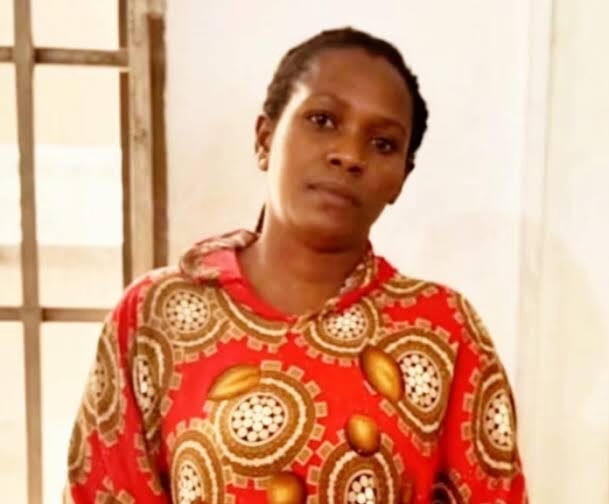
The case stemmed from a series of TikTok videos she published between late June and early July, in which she alleged that President Mahama had performed ritual sacrifices involving 32 cows to secure victory in the 2024 general election.
According to prosecutors, the allegations were completely false and were made without any factual basis or supporting evidence.
The court had earlier remanded Alhassan into lawful custody and directed that she undergo a pregnancy test before sentencing. Following the completion of the required procedures, the court proceeded to impose a one-year custodial sentence.
The prosecution argued that the videos contained false and offensive statements capable of misleading the public and damaging the reputation of the President. Investigators said Alhassan knowingly circulated the claims on social media despite having no evidence to support them.
In addition to the ritual sacrifice allegations, Alhassan reportedly claimed that the government’s distribution of sanitary pads to victims affected by the devastating June 29 floods was part of an attempt to conceal the alleged rituals.
Authorities described those assertions as entirely fabricated and without merit.
The case has drawn significant public attention, particularly because it highlights the growing concerns over the spread of misinformation on social media platforms. Legal experts have repeatedly cautioned that publishing false information capable of causing public alarm or harming the reputation of individuals may attract criminal sanctions under Ghanaian law.
The conviction also serves as a reminder of the legal responsibilities that come with using digital platforms.
While freedom of expression is protected under Ghana’s Constitution, that right does not extend to publishing false information or making defamatory allegations without evidence.
The judgment is expected to reignite discussions about responsible social media use, misinformation, and the legal consequences of spreading unverified claims online.
With her guilty plea and subsequent conviction, Camilla Alhassan will serve a one-year prison sentence unless any further legal steps are taken on her behalf. The ruling marks one of the latest cases in Ghana involving the prosecution of individuals accused of publishing false information on social media.