|
Getting your Trinity Audio player ready...
|
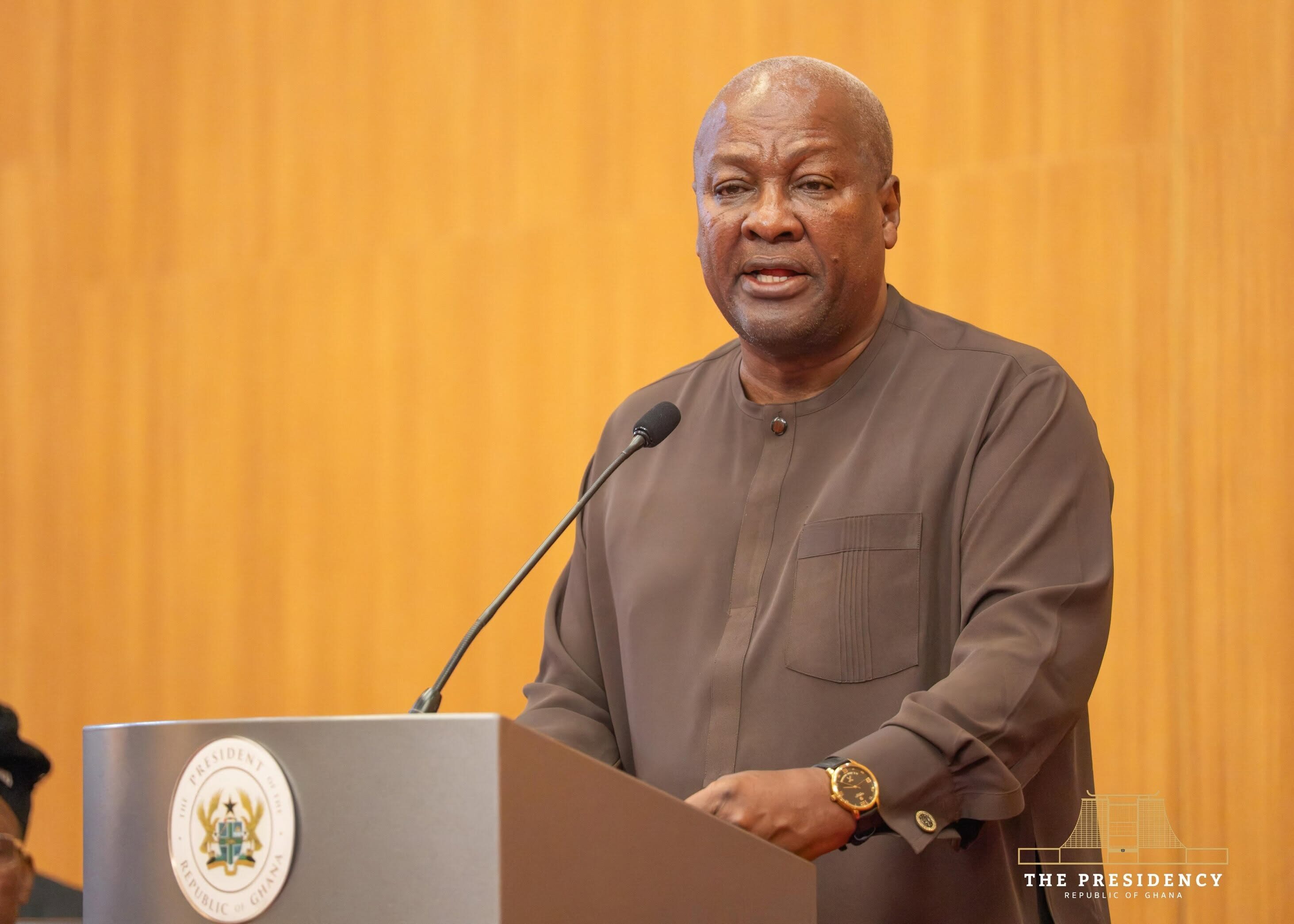
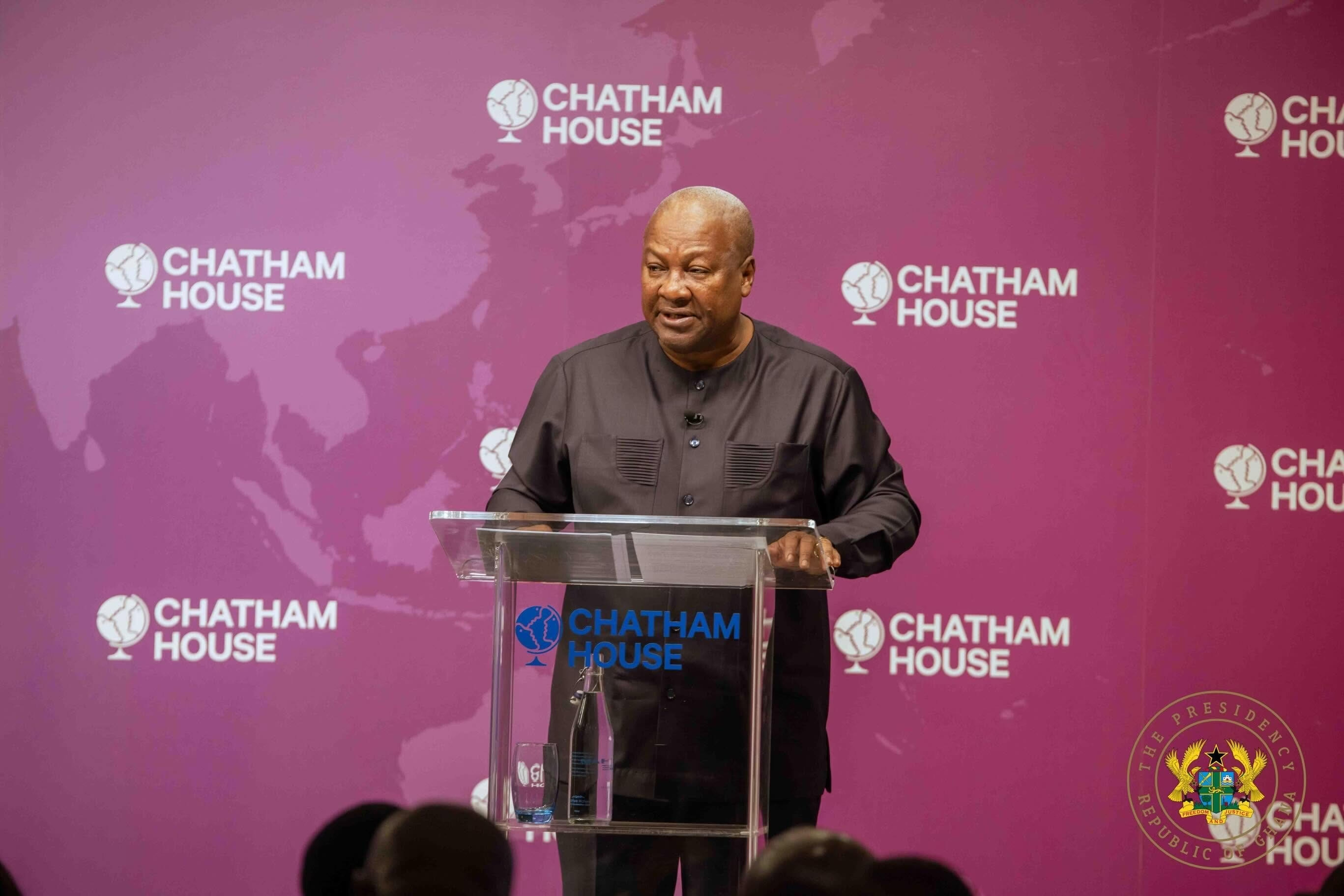
President John Dramani Mahama has rejected arguments that the involvement of some Africans in the transatlantic slave trade weakens the case for reparations or diminishes the gravity of slavery as a crime against humanity.
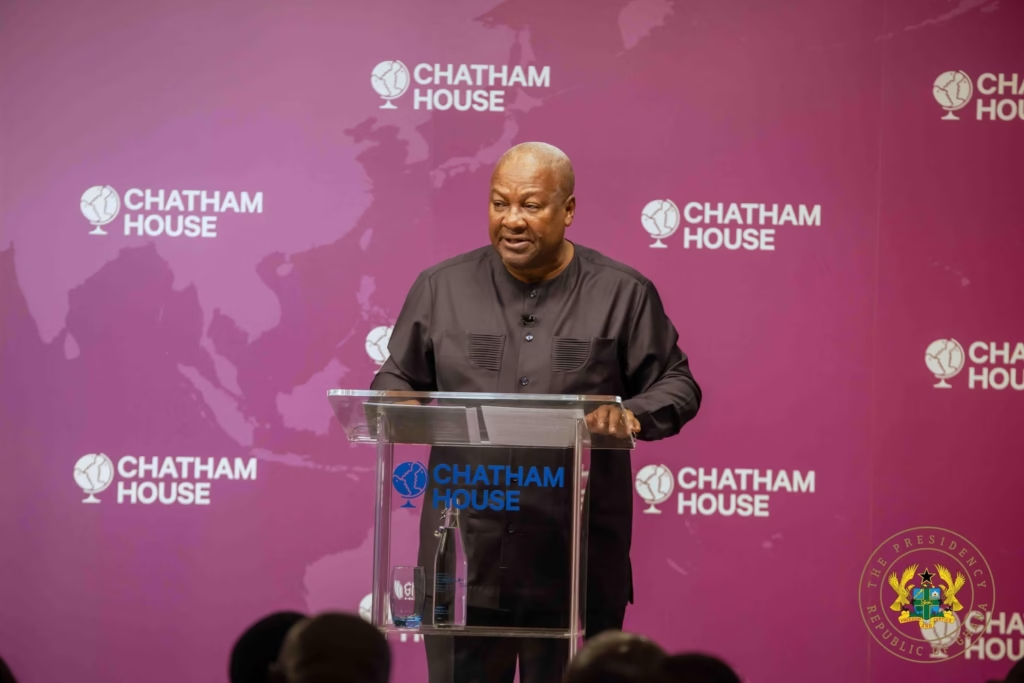
Speaking during a high-level dialogue on reparations at the University of the West Indies in Jamaica as part of his state visit, the President said the participation of some Africans as intermediaries did not absolve those who conceived, financed and institutionalised the transatlantic slave trade.
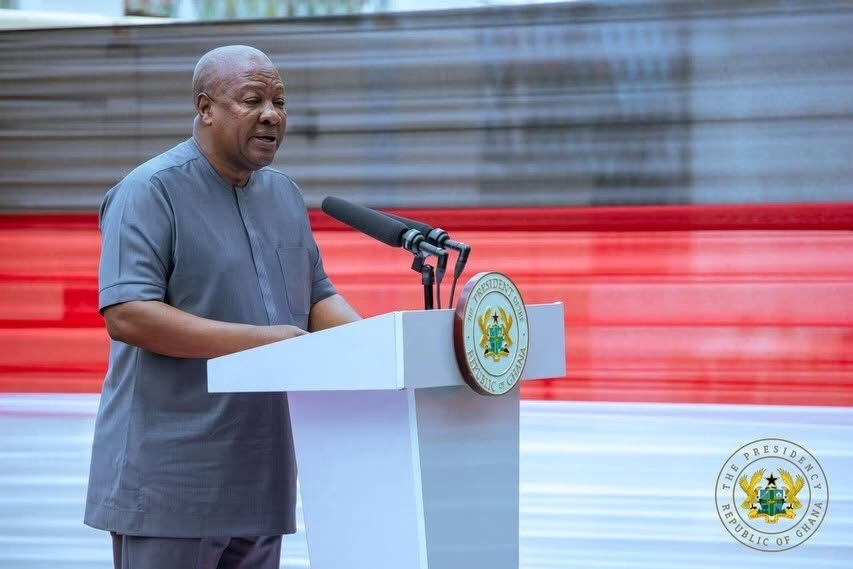
Mahama draws Holocaust comparison
President Mahama compared the transatlantic slave trade to the Holocaust, arguing that the actions of a few individuals within a victimised community do not erase the responsibility of those who orchestrated the atrocities.
“Even the argument that Africans were involved in enslaving Africans does not stop it from being the gravest crime against humanity.”
He said that although some Jewish individuals assisted Nazi operations during the Holocaust, that did not change the fact that the genocide occurred or lessen its status as a crime against humanity.
Calls for a broader examination of slavery
The President urged scholars and policymakers to examine the legal, financial and commercial systems that sustained the transatlantic slave trade over centuries.
According to him, the slave trade extended far beyond the capture of enslaved people and included institutions such as insurance companies, auction houses and governments that profited from the trade.
He described the transatlantic slave trade as a highly organised global enterprise supported by political and economic structures.
“We must tell our children the truth”
President Mahama also called on African nations to present a more complete account of the history of slavery to future generations.
He recalled that during his school years, history lessons focused heavily on abolitionists while paying limited attention to the scale of suffering experienced by millions of enslaved Africans.
According to him, independent African countries now have the responsibility to teach history truthfully and ensure young people fully understand the legacy of slavery.
Growing awareness of reparations
The President welcomed increasing global interest in reparations, noting that recent discussions at the United Nations have renewed attention on the history and long-term consequences of the transatlantic slave trade.
He expressed optimism that greater public awareness would help societies better understand the past and shape a more informed future.
“It helps for you to know where we have come from, because that informs where we are going,” President Mahama said.