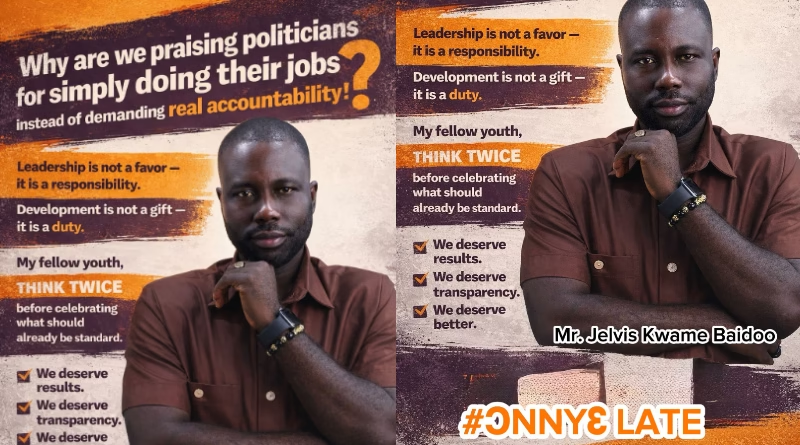
During a recent discussion, Jelvis Kwame Baidoo has called on Ghanaians to rethink how they respond to the work of political leaders, urging a shift from praise to accountability.
According to him, there is a growing culture where politicians are excessively praised for carrying out responsibilities that are fundamentally part of their job description. He argued that such reactions lower the standard of leadership and distract from more critical issues that require public scrutiny.
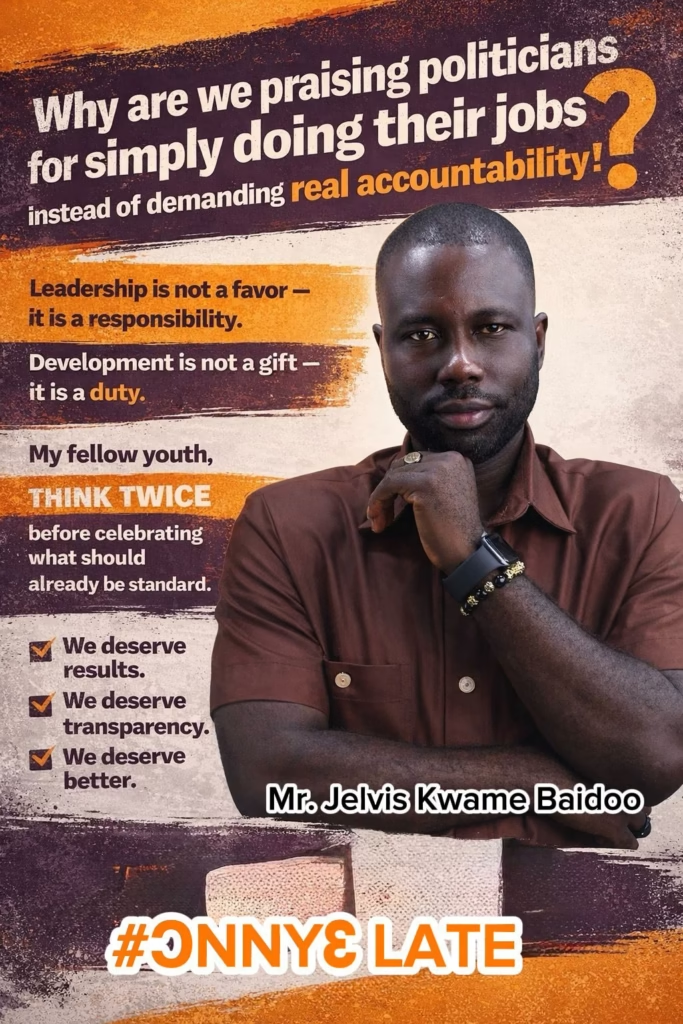
“We should stop praising politicians for doing their work,” he stated. “That is what they were elected or appointed to do.”
Mr. Baidoo emphasized that instead of celebrating routine duties, citizens should pay closer attention to how public resources are being used. He noted that one of the most important areas often overlooked is the budgeting and costing of development projects.
He raised concerns about the tendency for some projects to be overvalued, suggesting that inflated budgets can undermine development and reduce the number of projects that can be executed within a community. According to him, when a single project consumes more resources than necessary, it limits opportunities for broader development.
“The real question should be: how much did it cost, and does it reflect value for money?” he added.
In highlighting solutions, Mr. Baidoo pointed to the importance of the Right to Information Act, 2019 (Act 989) as a powerful tool available to citizens. He explained that the law gives Ghanaians the legal right to request information from public institutions, including details about project budgets, procurement processes, and government spending.
He encouraged citizens, especially young people, to take advantage of this law to demand transparency and hold leaders accountable. “The law is there for a reason,” he noted. “We must use it to ask questions and ensure that public funds are used responsibly.”
Mr. Baidoo further explained that transparency in public spending is essential for building trust between leaders and citizens. He believes that when people begin to actively seek information and question inconsistencies, it will lead to improved governance and more responsible leadership.

He also stressed that accountability should not be viewed as opposition but as a necessary component of a healthy democracy. Leaders who are committed to development, he argued, should be willing to provide clear and honest answers regarding how resources are allocated and utilized.
Mr. Baidoo concluded by urging a change in mindset across the country. Instead of applauding politicians for routine work, citizens should demand measurable results, transparency, and value for money.
He believes that by leveraging tools like the Right to Information Act and focusing on accountability, Ghana can move toward a more effective and responsible system of governance—one that prioritizes real impact over appearances.