|
Getting your Trinity Audio player ready...
|
Kwame Dzokoto built a name for himself in Ghana’s entertainment industry through comedy, acting, radio broadcasting and television presenting. He became widely recognised for his role as Judge Koboo in the popular television series Efiewura and as the host of TV3’s food programme Edziban.
Beyond entertainment, Kwame Dzokoto ventured into politics and pursued further education, establishing a public profile that extended beyond his work on television.

Reports of his death emerged on Thursday, October 22, 2026, after he reportedly collapsed during a panel discussion on Owass Radio in Tarkwa. His reported passing has drawn attention to his career and contributions to Ghanaian entertainment.
Here are seven things to know about Kwame Dzokoto.
1. He became popular through Efiewura
Kwame Dzokoto earned widespread recognition through his comic performances in Efiewura, one of Ghana’s familiar television series. He played Judge Koboo, a character remembered for his distinctive delivery, humorous expressions and entertaining courtroom scenes.
His performance helped establish him as a recognisable face in Ghanaian homes. Through his acting, he entertained audiences and became associated with a style of comedy that drew on everyday Ghanaian experiences and language.
2. He hosted TV3’s food programme Edziban
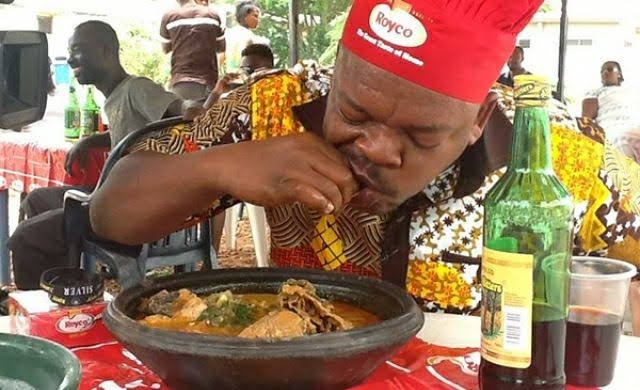
Another significant part of Kwame Dzokoto’s career was Edziban, a television programme that explored Ghanaian food, local eateries and culinary traditions.
The show introduced viewers to different food joints and dishes while celebrating Ghana’s diverse food culture. His presentation style helped make the programme engaging for audiences interested in local cuisine.
Edziban also received industry recognition, winning Television Programme of the Year at the 2014 Chartered Institute of Marketing, Ghana (CIMG) Awards.
3. His catchphrases became part of his appeal
Kwame Dzokoto was known for his humorous expressions and creative use of language. Phrases such as “Edziban a dzidzi” became associated with his public persona.
His comedy drew partly on the Fante language and expressions familiar to people around Takoradi and other parts of Ghana’s Western Region. This helped distinguish his style from that of other entertainers.
4. He built a career in radio
Although many viewers knew him through television, radio was also an important part of Kwame Dzokoto’s professional life. His work included radio presentation, voice-over assignments and broadcasting-related activities.
He spoke publicly about his love for radio, highlighting the connection presenters can build with listeners through their voices. His work across different media platforms demonstrated the range of his broadcasting experience.

5. He entered politics with the NDC
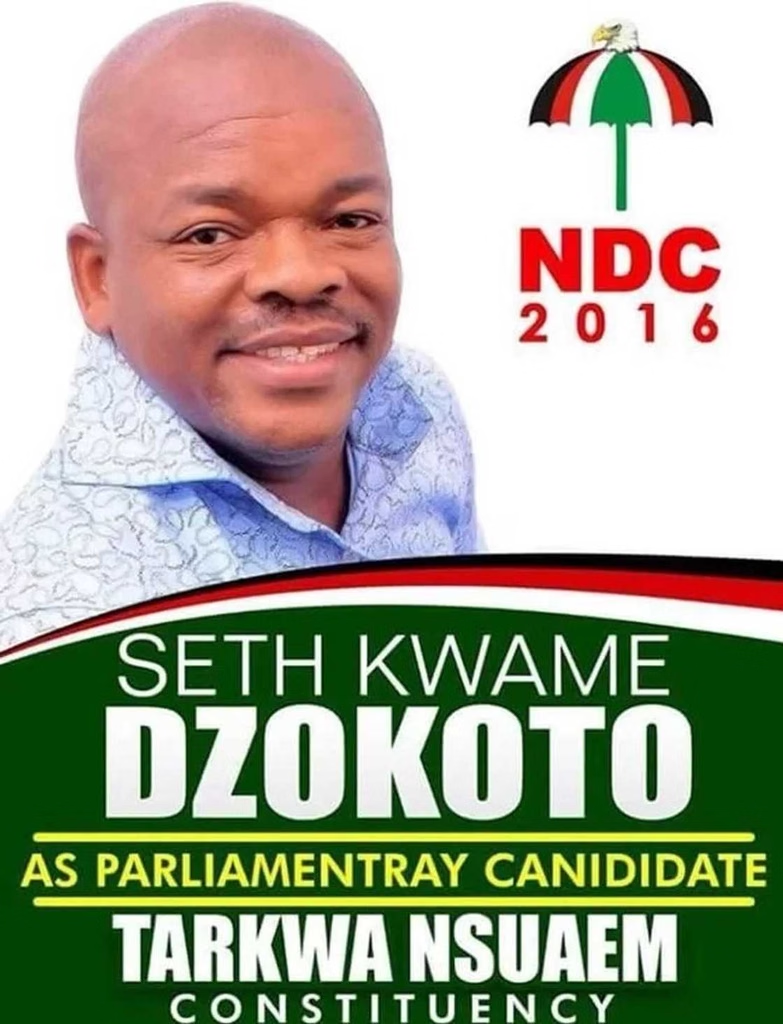
Dzokoto also pursued a career in partisan politics through the National Democratic Congress (NDC). Reports indicate that he held a party position in the Tarkwa-Nsuaem Constituency before contesting the parliamentary seat in the 2016 general election.
He lost the contest to the New Patriotic Party’s George Mireku Duker. His involvement in politics added another dimension to his public life beyond entertainment and broadcasting.
6. He earned a master’s degree
In 2025, reports emerged that Kwame Dzokoto had graduated from the Ghana Armed Forces Command and Staff College with a master’s degree in Defence and International Politics.
The academic achievement reflected his pursuit of further education alongside his entertainment and political activities. It also highlighted his interest in governance and international affairs.

7. He spoke about his health in 2026
In September 2026, Dzokoto reportedly addressed speculation about his health and previous death rumours. He said he was recovering after undergoing surgery abroad and discussed health challenges in an interview with B.E. TV.
Weeks later, reports of his death emerged following an alleged collapse during a radio discussion in Tarkwa on October 22, 2026.
Kwame Dzokoto’s career spanned acting, food television, radio and politics. Through Efiewura, Edziban and his broadcasting work, he became a familiar figure to many Ghanaian audiences. His contributions across these fields form a significant part of his public legacy.