
|
Getting your Trinity Audio player ready...
|
Recent developments in Ghana’s aviation sector have sparked confusion among the public, particularly on social media, following the arrival of a new cargo aircraft and ongoing discussions about a national airline.
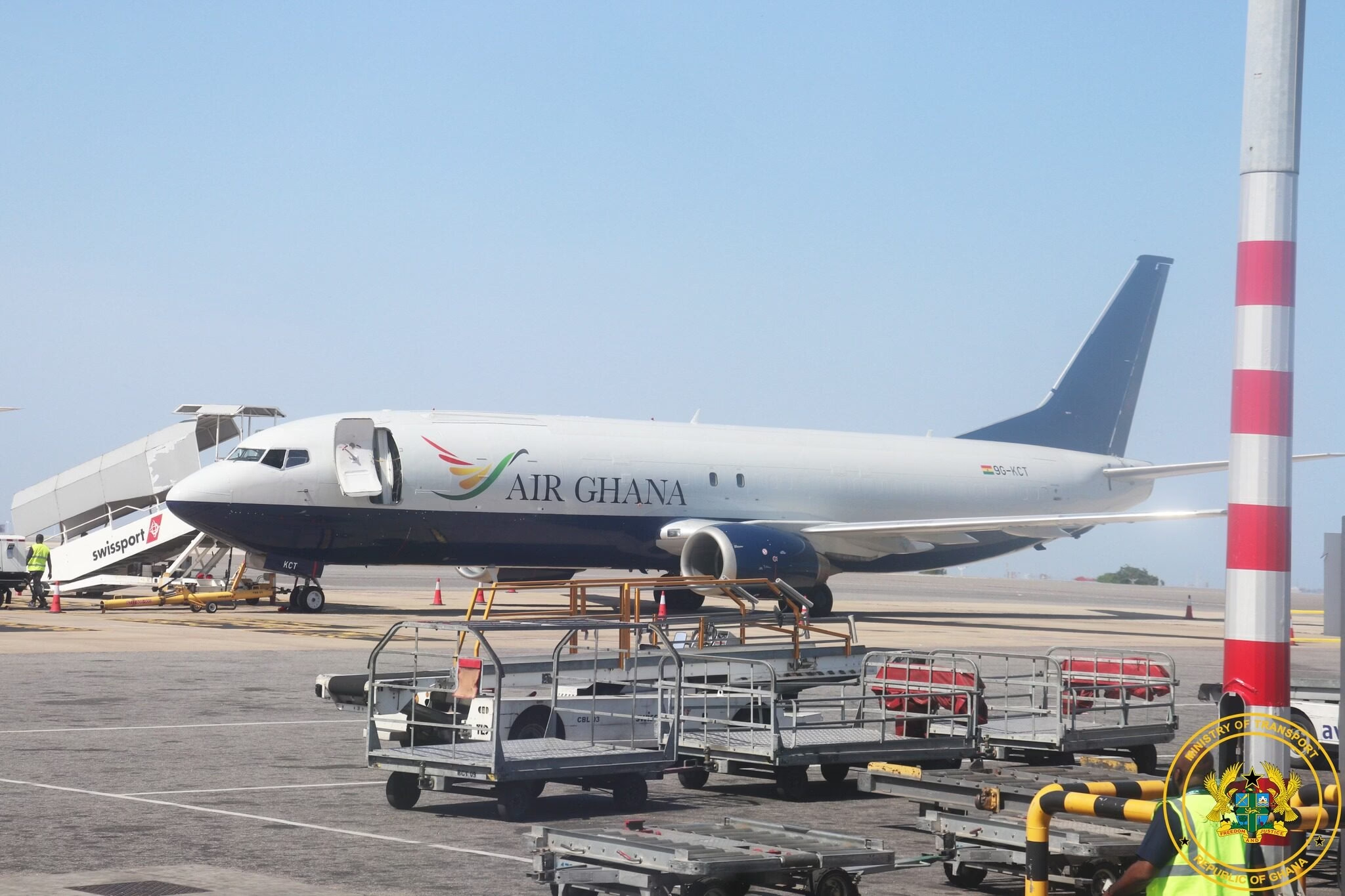
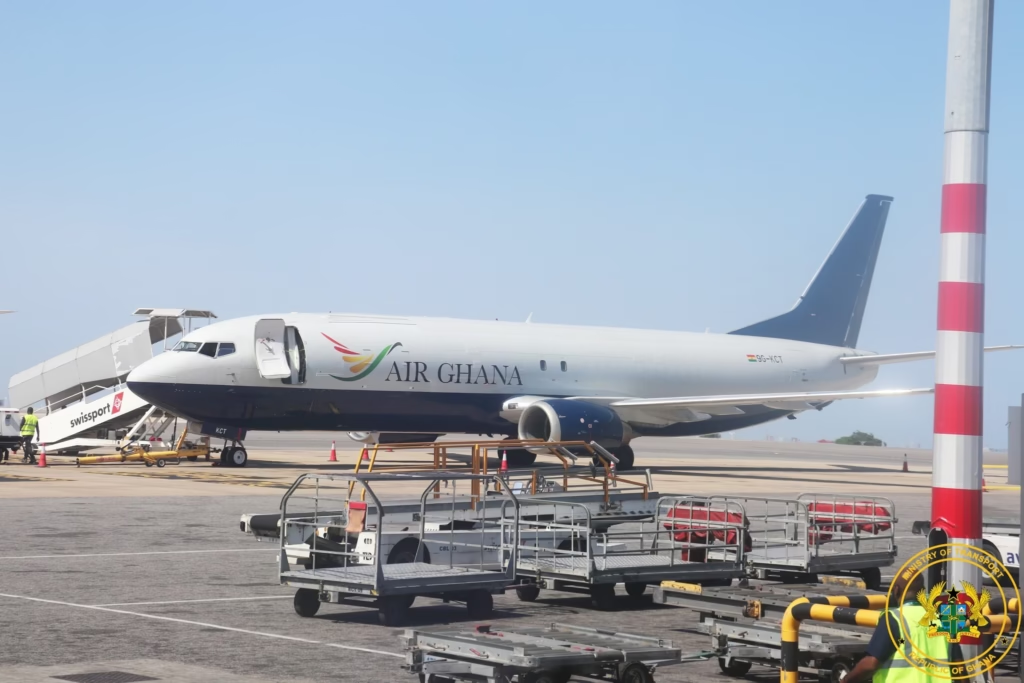
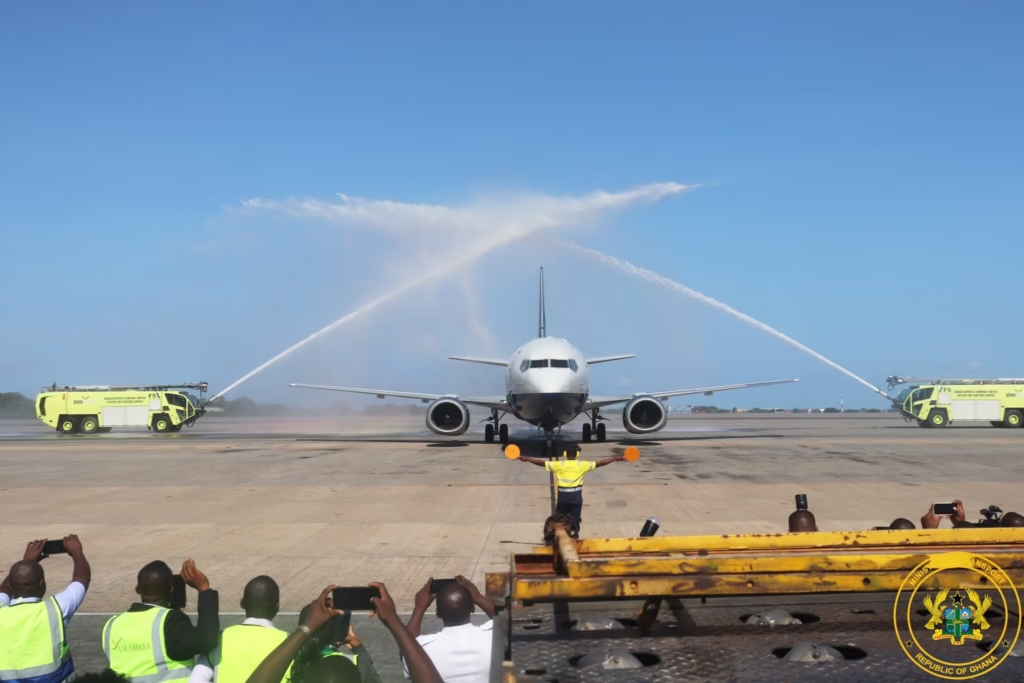
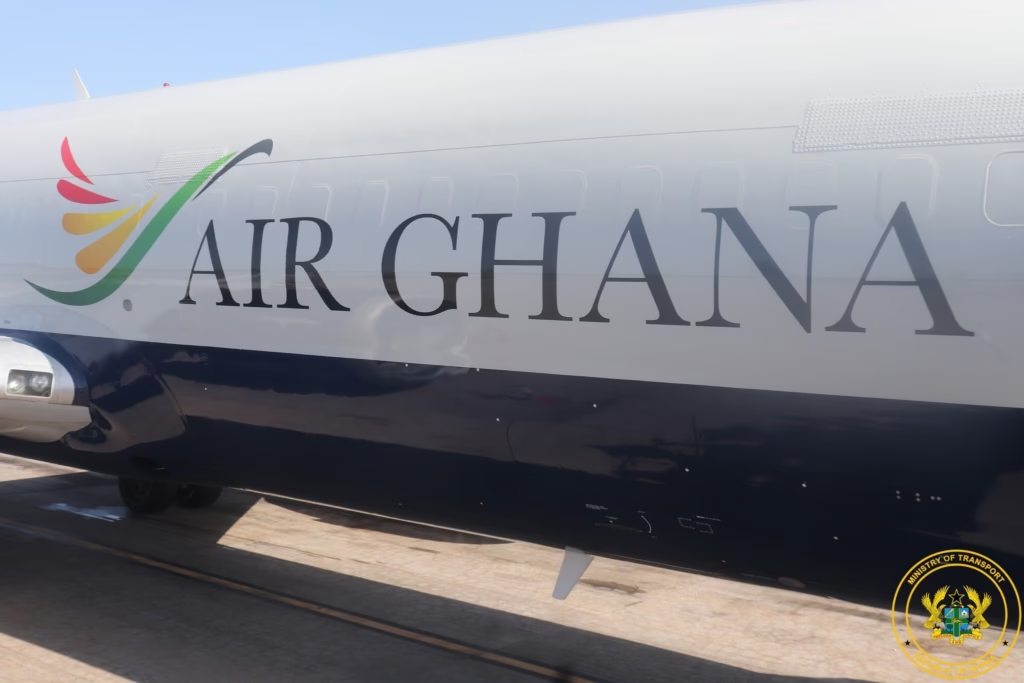
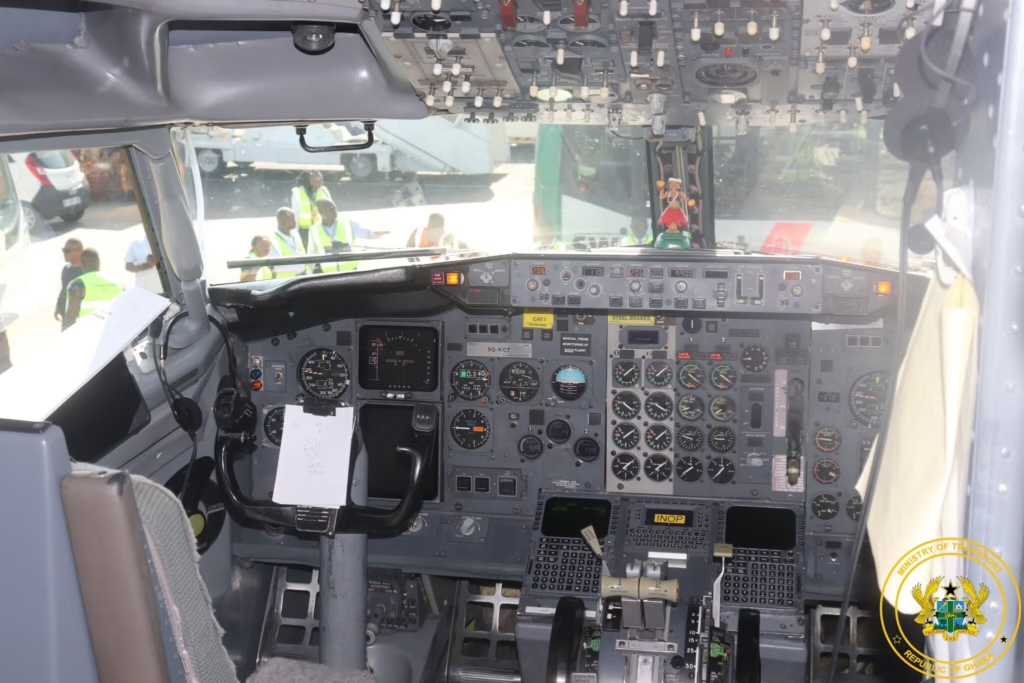
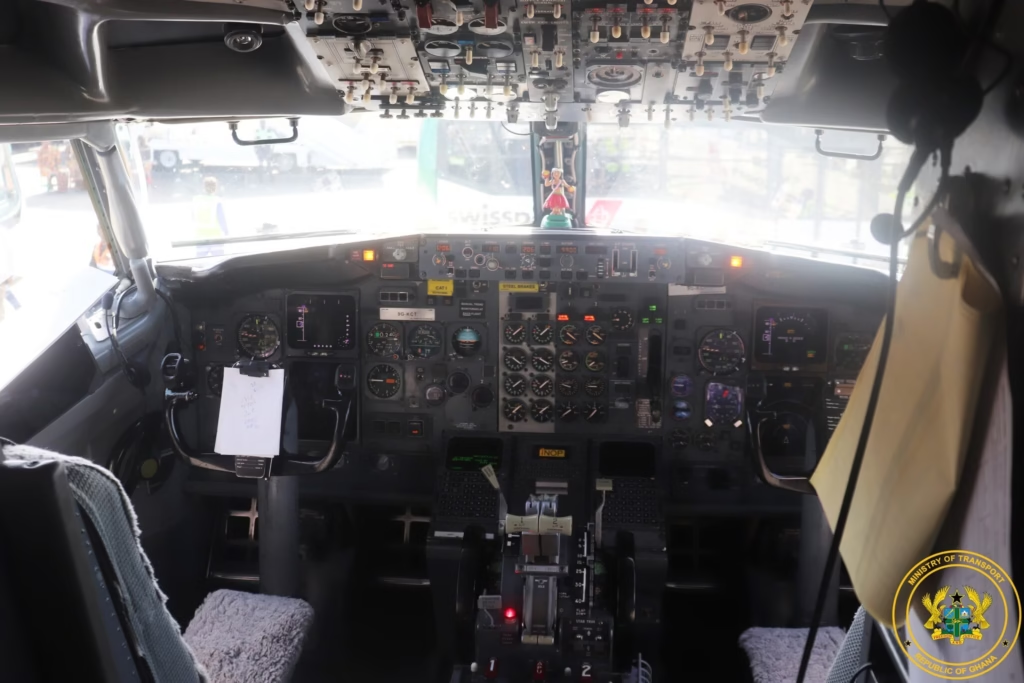
At the centre of the discussion is Air Ghana, which has taken delivery of a Boeing 737-400 freighter to expand its operations. However, this development is separate from the government’s plans to establish a new national airline.
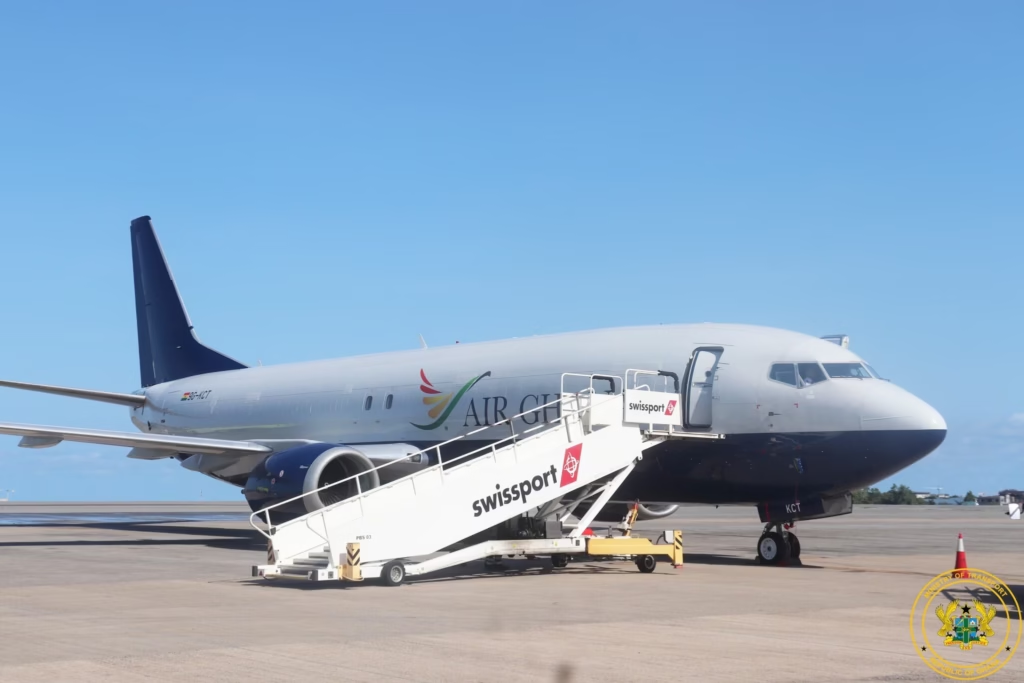
On May 5, 2026, Air Ghana’s newly acquired Boeing 737-400 freighter landed in the country, marking a significant step in strengthening Ghana’s air cargo capacity.
The Ministry of Transport described the development as a major boost to trade and logistics, as the aircraft is expected to improve delivery timelines and reduce supply chain bottlenecks.
Air Ghana’s CEO, Karim Traboulsi, noted that the addition of the aircraft aligns with the company’s strategy to enhance cargo services within Ghana and across West Africa.
Founded in 1993, Air Ghana initially operated as a logistics and ground handling company before securing its Air Operator Certificate in 2014. Since then, it has specialised in cargo operations, including partnerships with global courier services.
It is important to emphasise that Air Ghana is a privately owned airline and does not represent Ghana’s national carrier.
Ghana currently does not have a functioning state-owned airline. The country has been without one since the collapse of Ghana Airways in 2004 and the subsequent failure of Ghana International Airlines in 2010.
To address this gap, the government is pursuing plans to establish a new national airline through a strategic partnership model.
According to the Minister of Transport, Joseph Bukari Nikpe, the process is currently in its early stages. The government has initiated a market-sounding exercise to attract experienced airline operators and investors.
Under the proposed structure, a private partner will hold a majority stake in a joint venture with the state. This approach is intended to ensure operational efficiency and avoid the challenges that affected previous state-led airlines.
The proposed national carrier is expected to operate both long-haul international routes—to destinations in Europe, North America, the Middle East, and Asia—and regional services within Africa. Plans also include a dedicated cargo division.
A 10-member task force, chaired by Charles Asare, is overseeing key aspects of the project, including fleet acquisition, staffing, and route planning.
The government is targeting the first quarter of 2027 for the launch, although no investor has yet been finalised.
The arrival of Air Ghana’s new freighter is a tangible, immediate development that strengthens Ghana’s logistics and trade capabilities.
In contrast, the national airline project remains a long-term initiative that is still undergoing planning and investment processes.
While both developments signal Ghana’s ambition to become a key aviation hub in West Africa, they are entirely separate.
Air Ghana’s expansion represents private sector growth, whereas the national airline project is a government-led initiative still in progress.
In summary, Ghana has not launched a new national airline. The recent arrival of Air Ghana’s Boeing 737-400 freighter is an expansion of a private cargo operator, not the introduction of a state-owned carrier.
As the government continues its efforts toward establishing a national airline by 2027, it is important to distinguish between current developments and future plans within the country’s aviation sector.