
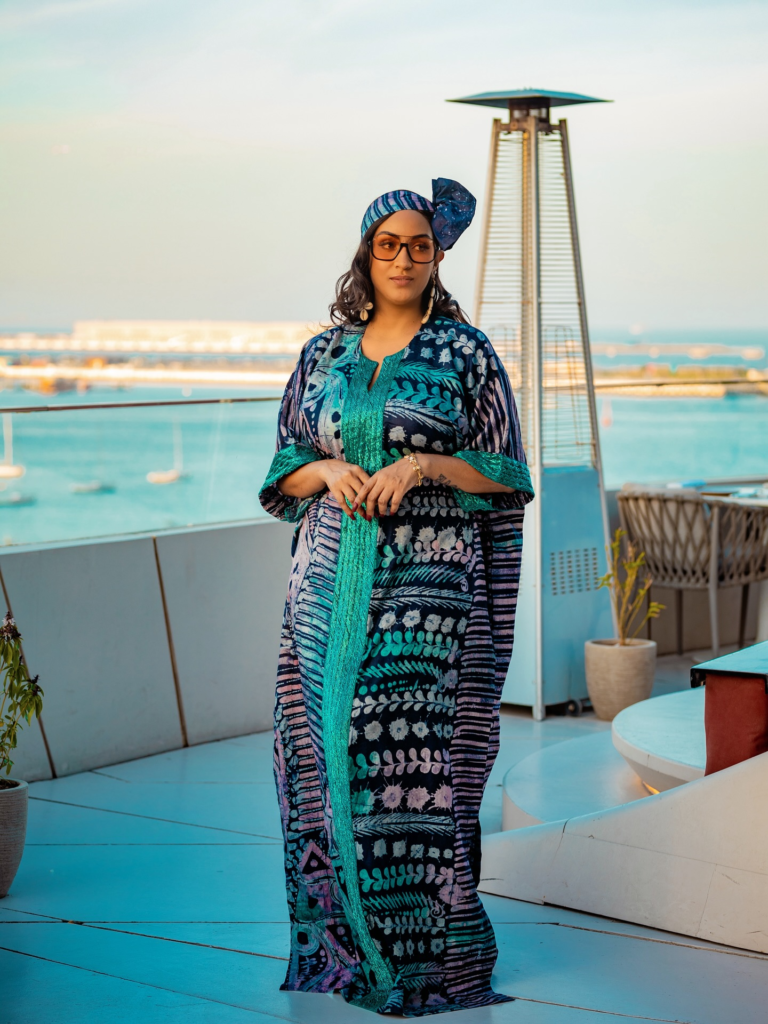
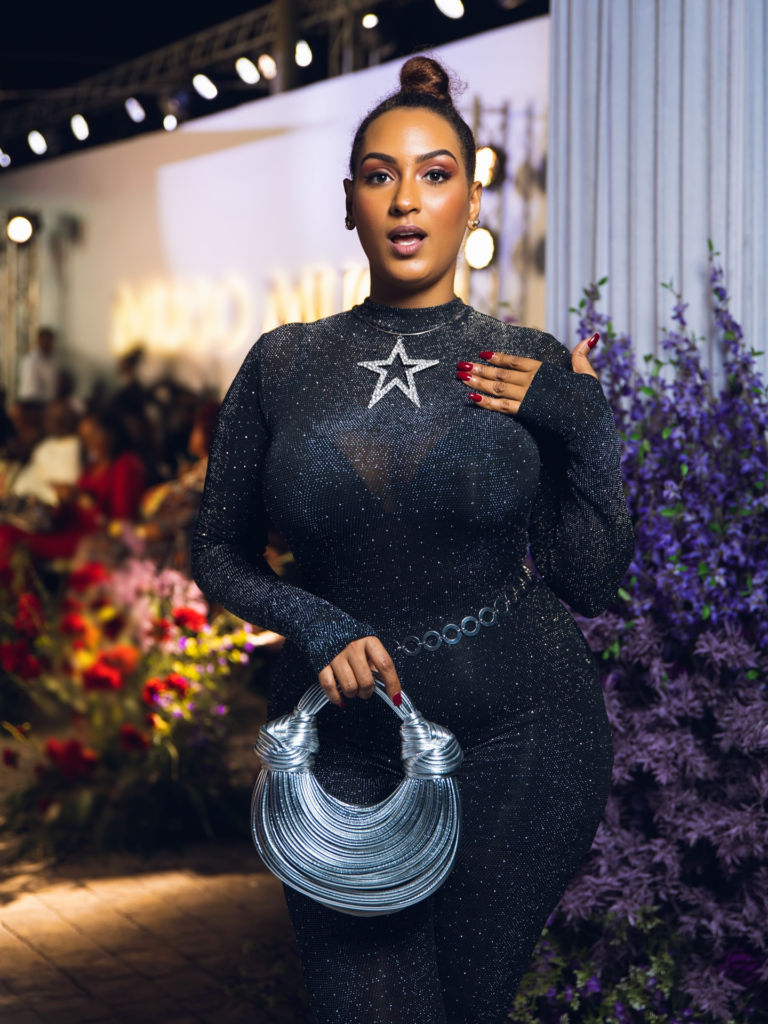
Ghanaian actress and filmmaker Juliet Ibrahim has opened up about a painful chapter in her life, revealing that she was allegedly subjected to repeated sexual assault by a former partner.
Speaking in an emotional interview on the WithChude YouTube channel on Monday, February 23, Juliet recounted how her repeated refusals were ignored during the relationship.
In the interview, she described moments where she explicitly said “no” and asked her partner to stop, but was allegedly pinned down and forced into sexual acts against her will.
“I kept saying, ‘No, stop it.’ You pinned me down, and you’re doing whatever it is. And you’re smiling, saying, ‘don’t worry.’ And you’re kissing while I’m crying. Like, that means you’re a rapist,” she said.
Juliet emphasised that she never gave consent and that the situation escalated to physical force. She described feeling terrified and powerless, pointing to the physical disparity between her and the alleged abuser.
“I was scared. What do I do? This guy is huge. He’s taller than me,” she shared.
At one point, Juliet alleged that she was locked inside his house for several days until her sister, Sonia, intervened and helped her escape the situation.
Her testimony sheds light on the complexities of abuse within intimate relationships, where fear, manipulation, and power imbalance can silence victims for long periods.
Juliet Ibrahim’s candid revelation has resonated widely, sparking renewed conversations about consent, power dynamics, and the importance of believing and supporting survivors.
Her decision to speak publicly adds to ongoing advocacy efforts aimed at raising awareness about sexual violence and encouraging survivors to seek help. Across Ghana and beyond, her story has prompted many to reflect on the meaning of consent and the need for stronger societal support systems for victims of abuse.
While the allegations are deeply troubling, Juliet’s openness highlights the courage it often takes for survivors to share their experiences — especially in environments where stigma and victim-blaming can discourage disclosure.
Her interview stands as a reminder of the importance of education on consent, accountability in relationships, and creating safe spaces where survivors can be heard and supported.