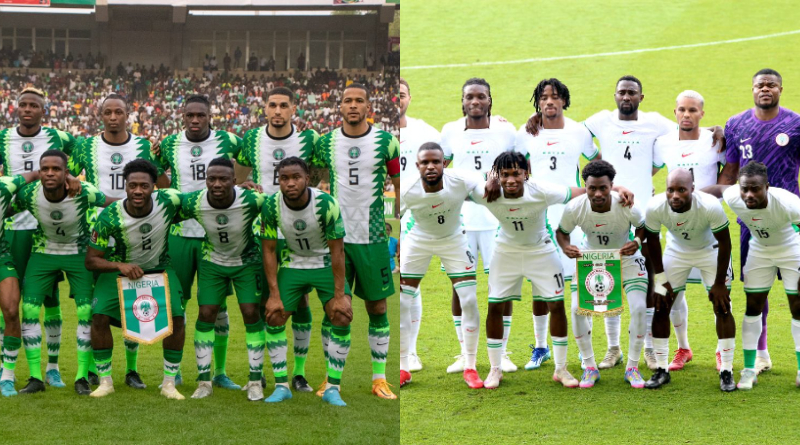
Nigeria’s hopes of qualifying for the 2026 FIFA World Cup could receive a dramatic boost as FIFA prepares to announce its verdict on a formal protest submitted by the Nigeria Football Federation (NFF).
The petition challenges the eligibility of certain players fielded by the Democratic Republic of the Congo national football team during the decisive African qualification play-off final.
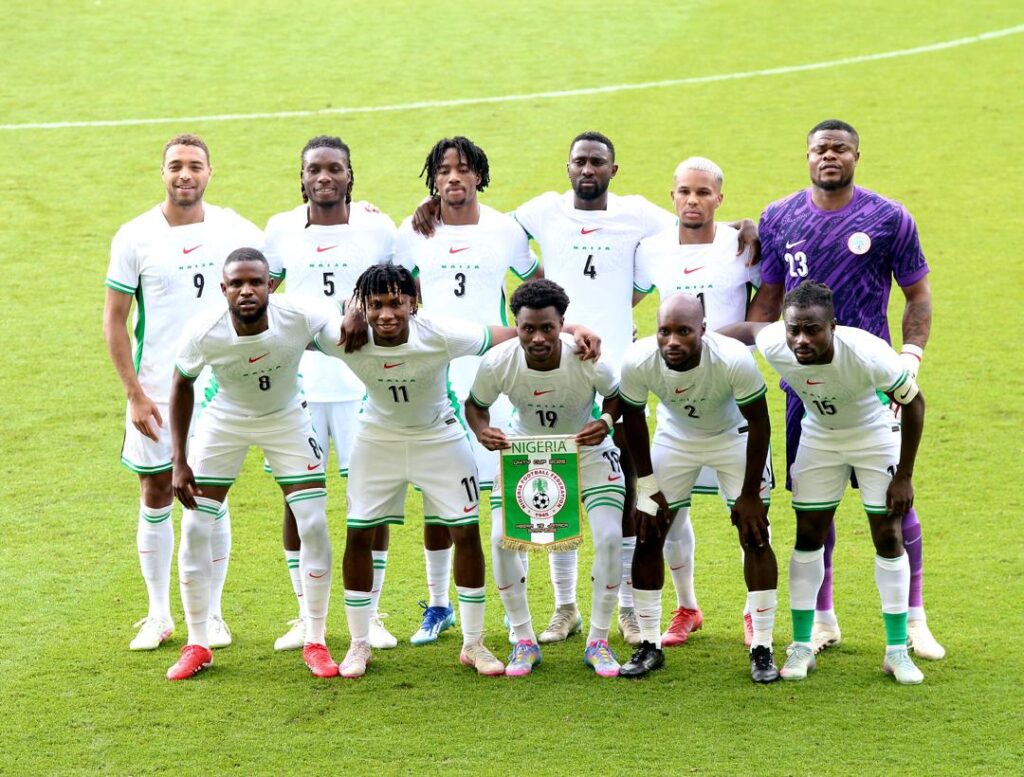
The NFF lodged the complaint in December 2025, alleging that at least six DR Congo players who participated in the high-stakes encounter had recently switched national allegiance without completing the required FIFA procedures. According to the federation, the players may not have fully satisfied the regulatory conditions governing nationality changes and international representation.
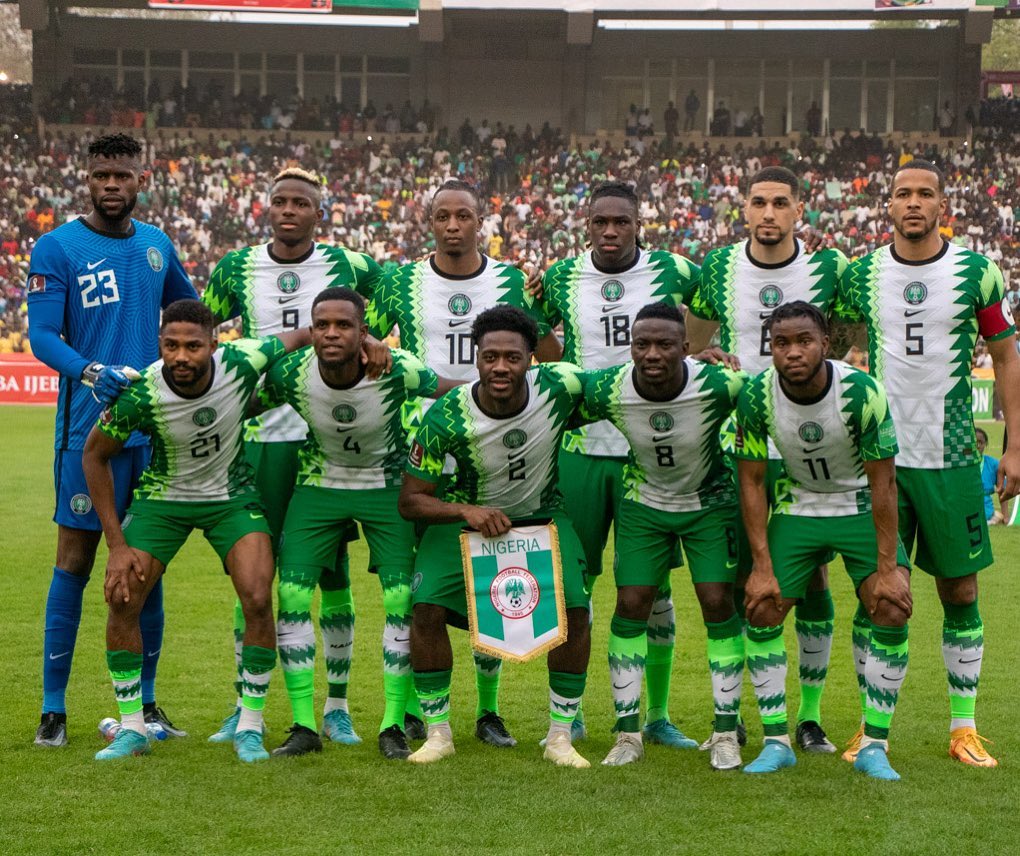
Nigeria lost the dramatic play-off final 4–3 on penalties after a 1–1 draw in regulation and extra time, a result that appeared to end the Super Eagles’ direct path to the 2026 tournament. However, the pending FIFA decision now offers a potential lifeline.
NFF General Secretary Dr Mohammed Sanusi has expressed confidence in the federation’s position, stating that Nigeria believes it has presented a strong and credible case. The federation insists that its petition is grounded in FIFA statutes relating to player eligibility and nationality switches.
If FIFA rules in Nigeria’s favour, the consequences could be significant. DR Congo could face disqualification from the play-offs, potentially clearing the way for Nigeria to take part in the intercontinental play-off tournament scheduled for March 2026. Such a development would dramatically revive the Super Eagles’ World Cup ambitions and reshape Africa’s final qualification pathway.
On the other hand, if FIFA dismisses the protest, DR Congo’s place in the qualification process will be confirmed, and Nigeria’s World Cup dream will officially come to an end.
The case has sparked widespread debate across African football circles. Supporters of Nigeria argue that strict adherence to eligibility rules is essential to maintaining fairness and integrity in international competition.
Meanwhile, DR Congo’s football authorities have strongly rejected the allegations, maintaining that all players fielded during the match were fully eligible under FIFA regulations.
They contend that qualification should be determined on the pitch rather than through administrative disputes.
With the global football community watching closely, FIFA’s ruling carries enormous weight. Beyond Nigeria and DR Congo, the decision could set an important precedent regarding the enforcement of nationality switch regulations in international football.
For millions of Nigerian fans, the wait is filled with both anxiety and hope. The forthcoming verdict will ultimately determine whether the Super Eagles have one final opportunity to fight for a place at the 2026 FIFA World Cup — or whether their campaign ends in disappointment.