
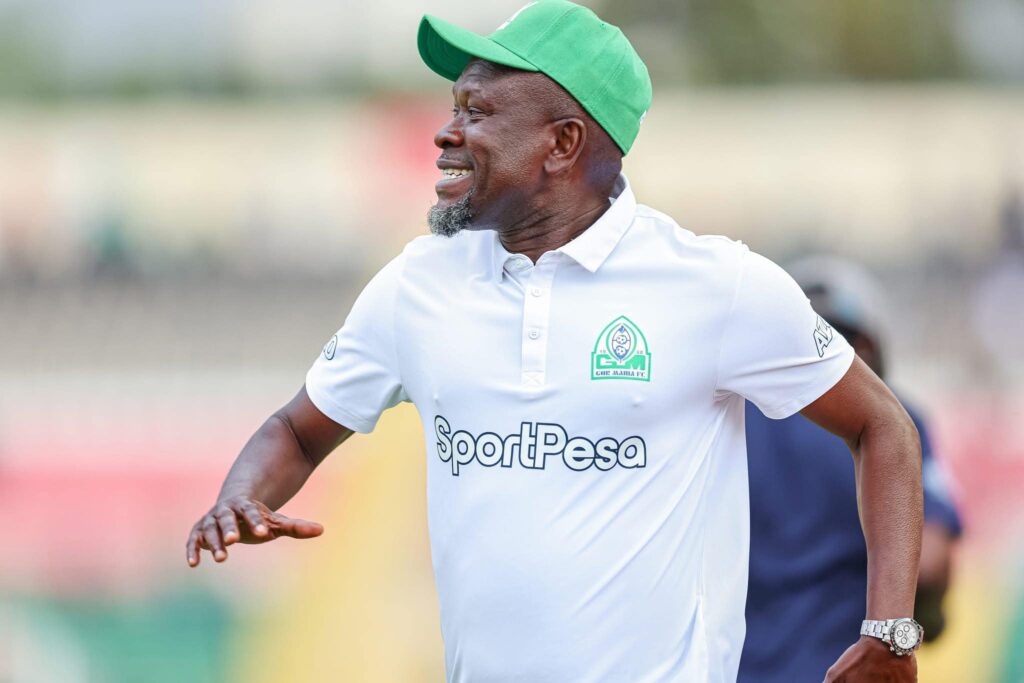
Former Black Stars captain and head coach Charles Kwablan Akonnor has openly acknowledged the difficulty of convincing his two sons to represent Ghana at international level, citing their upbringing and football development in Germany as a major factor.
Akonnor made the revelation in an interview with Graphic Sports, where he discussed the challenges often faced by African nations in recruiting dual-nationality players who were born and raised in Europe.
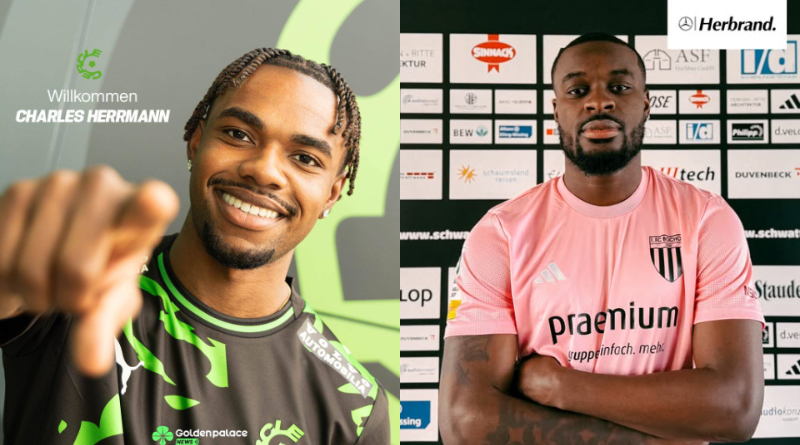
Both of Akonnor’s sons, Charles Herrmann and Jesaja Herrmann, were born and brought up in Germany, where they received their football education and progressed through the country’s structured youth system. As a result, their emotional and professional ties remain closely linked to Germany.
“It’s difficult to convince them to come to Ghana,” Akonnor admitted. “Because they grew up in Germany, but of course, if need be or if the opportunity arises, we will be able to make that decision.”
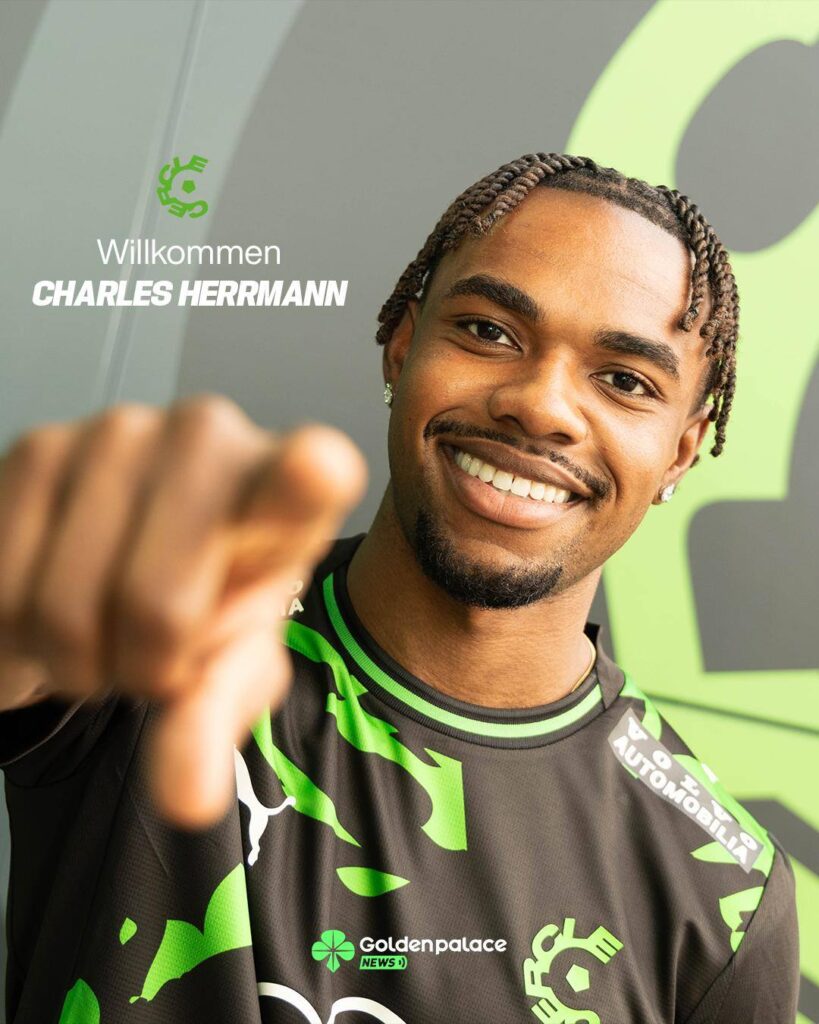
Twenty-year-old Charles Herrmann recently took a significant step in his club career by joining Cercle Brugge, a top-flight side in Belgium. The move is seen as a major opportunity for the young midfielder to gain exposure at a higher competitive level and accelerate his development.
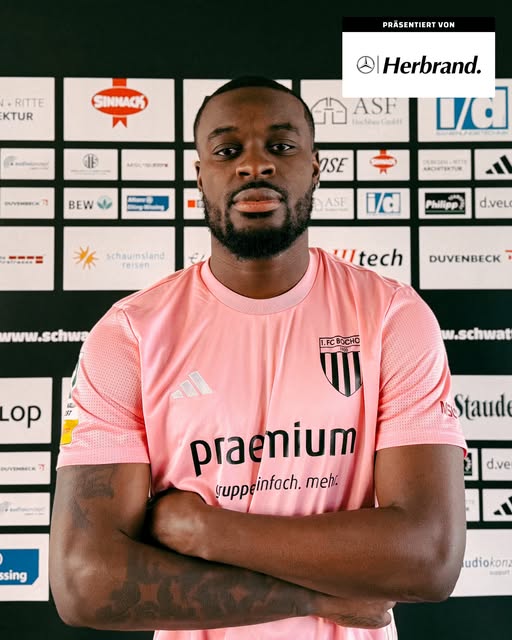
His older brother, Jesaja Herrmann, aged 25, has also continued his professional journey in Germany after completing a move to FC Bocholt, a club competing in the lower divisions of German football. While playing outside the top tier, Jesaja remains active within the German football ecosystem.
Both brothers have already represented Germany at youth international level, featuring across multiple age categories including the U-16, U-17, U-19, and U-20 national teams. Their involvement at these levels further strengthens their connection to German football and complicates any potential switch to Ghana.
Football analysts note that once players have progressed deep into a country’s youth system, emotional loyalty, familiarity with the structure, and long-term career considerations often influence their international choices.
Akonnor’s comments reflect a broader issue Ghana and many African nations continue to face — competing with European countries for the allegiance of players with dual nationality. While Ghana has successfully recruited several Europe-born players in recent years, the process often requires early engagement, consistent communication, and clear sporting pathways.
Despite the difficulty, Akonnor did not completely rule out the possibility of his sons representing Ghana in the future, noting that circumstances and opportunities could influence any eventual decision.
As Charles and Jesaja Herrmann continue to develop their careers in Europe, their international future remains undecided. For now, their father’s candid admission highlights the complex realities of modern football identity, where heritage, upbringing, and professional ambition intersect.
Whether the brothers eventually choose Ghana or remain aligned with Germany, their situation underscores the evolving dynamics of international football in an increasingly globalised game.