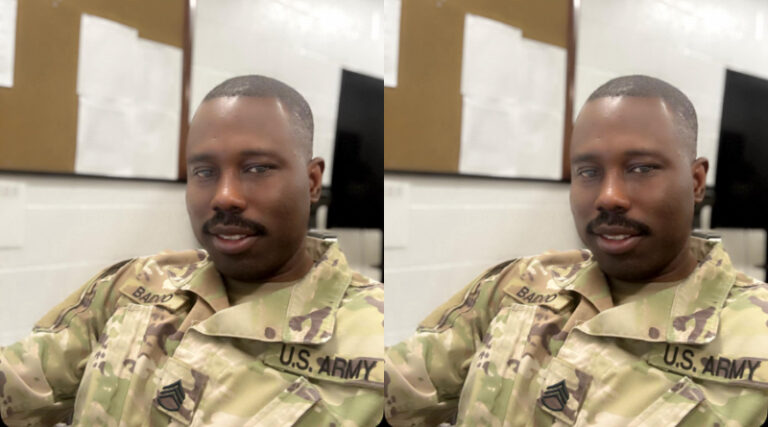
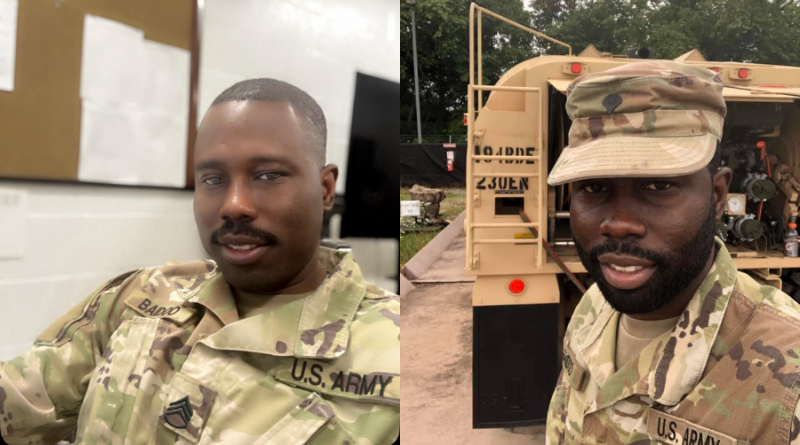
Barely hours after reports confirmed six deaths in the Ghana Armed Forces recruitment stampede at El-Wak Stadium, U.S. Army recruiter Jelvis Kwame Baidoo appeared live on Melody 91.1 FM to share his professional insights on how Ghana’s recruitment system can be transformed to prevent such tragedies.
Speaking with host Haruna Babangida from the United States, Baidoo — who is also the founder of the Jelvis Foundation and the man behind the free community Wi-Fi initiative in Effiakuma — expressed deep sorrow over the incident and outlined a detailed, alternative model inspired by the U.S. military’s recruitment process.
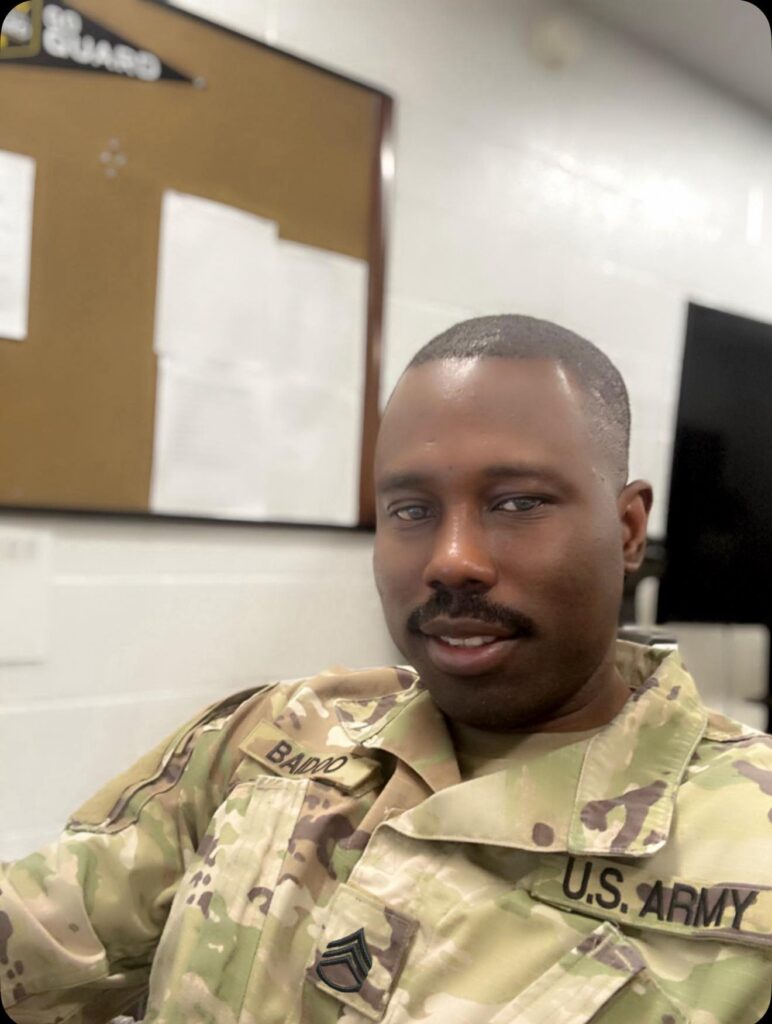
“I heard the news, and it’s heartbreaking — especially when people want to protect and serve, and they come across tragedy like this,” Baidoo lamented.
Baidoo, who currently recruits for the U.S. Army, explained that recruitment there is a continuous, office-based, technology-driven system — not the mass, stadium-style events often held in Ghana.
“If you ever think of joining the military here, you first approach a recruiting office nearby,” he said. “You meet a recruiter, you take a test, and everything — from your background checks to medicals — is handled in a structured, organized environment. There are no queues. Queues for what?”
He then broke down the process step by step, beginning with an aptitude test known as the ASVAB (Armed Forces Vocational Aptitude Battery). This exam, he explained, determines an applicant’s suitability for different military roles. Successful applicants then proceed to a medical screening at the Military Entrance Processing Station (MEPS), where all physical evaluations are conducted under one roof, efficiently and privately.
“We are recruiting every day,” Baidoo emphasized. “We don’t have a season for recruitment. In Ghana, when the season comes, we call everybody to converge at a very small place — and that is wrong. Waiting yearly to do recruitment is so wrong.”
He further criticized the system’s vulnerability to political influence, noting that recruitment should be free, fair, and purely merit-based.
“The problem is we are setting a system for the queue because we are putting party members — party boys and girls,” he noted. “If we want to do actual recruitment, every day we can qualify somebody.”
Baidoo also argued that the yearly recruitment calendar leads to lost opportunities for qualified candidates due to age limits or health changes over time.
“If someone is 33 and must wait until next year when they turn 34, they might lose the chance completely. You lose potential people by age, by sickness, or whatever it is,” he said.
Pressed by Haruna Babangida for recommendations, Baidoo offered practical reforms Ghana could adopt immediately:
- Establish dedicated recruitment offices across all regions — each staffed with trained recruiters.
- Digitize applications to allow candidates to apply, update, and track their progress online.
- Eliminate annual recruitment drives in favor of a year-round system.
- Ensure fairness and transparency, protecting the process from political or personal interference.
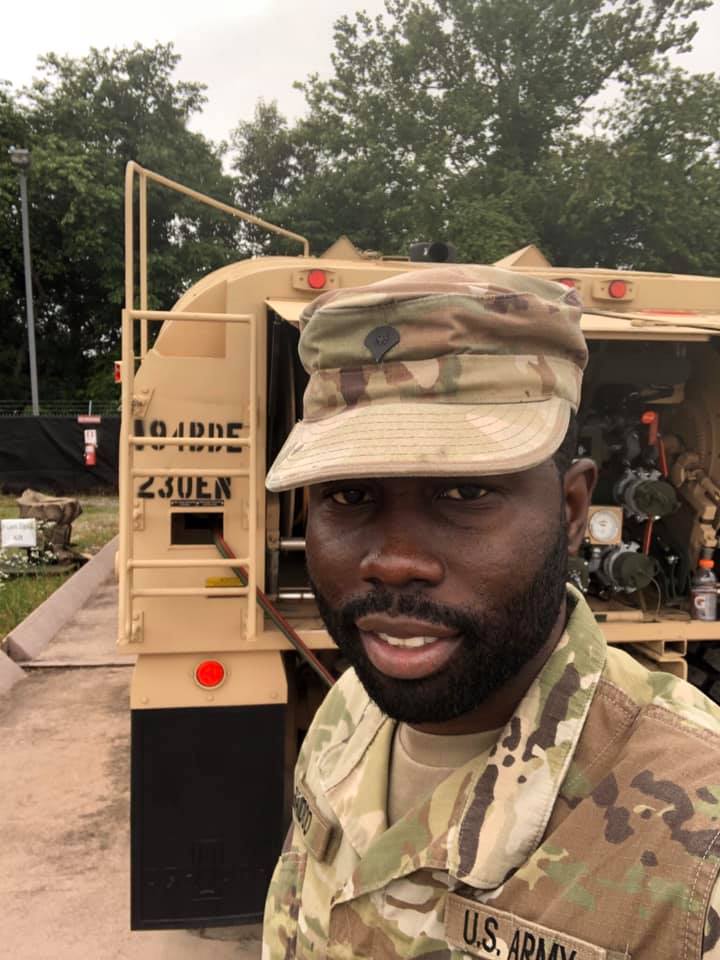
“Let’s establish offices — even use a classroom block if we have to — and assign two recruiters,” he said. “Everything they are doing in the stadium can be done one-on-one in the office. When you qualify, you’ll be called for your medicals. That’s it.”
Baidoo urged Ghanaian leaders to adopt the practical systems they’ve seen abroad rather than repeating outdated methods.
“The leaders in Ghana know this because they’ve traveled before. They’ve seen how it’s done. So why are they not doing it?” he asked.
His passionate remarks have since resonated widely among listeners and online audiences. Many Ghanaians have praised Baidoo for coupling his patriotism with technical expertise, offering constructive ideas instead of criticism alone.
As both a soldier and a humanitarian, Jelvis Kwame Baidoo continues to use his platform to advocate for systemic change, transparency, and modern governance in Ghana. His call for reform is not just about military efficiency — it’s about preserving lives and restoring public trust.
The interview underscores his central message:
“Recruitment should never cost lives. It should open doors to serve and protect — not close them through tragedy.”