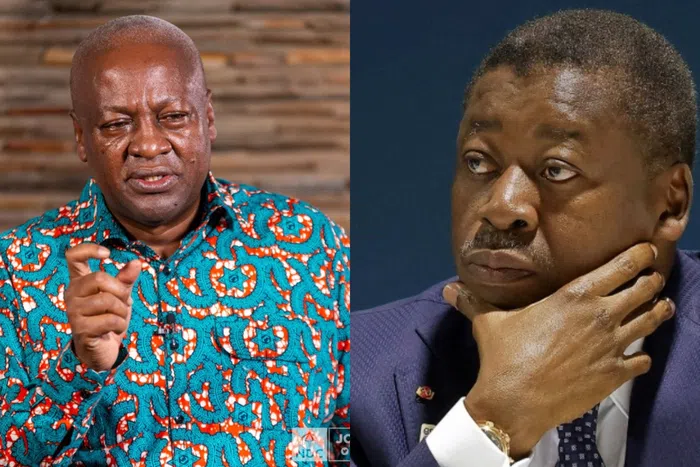
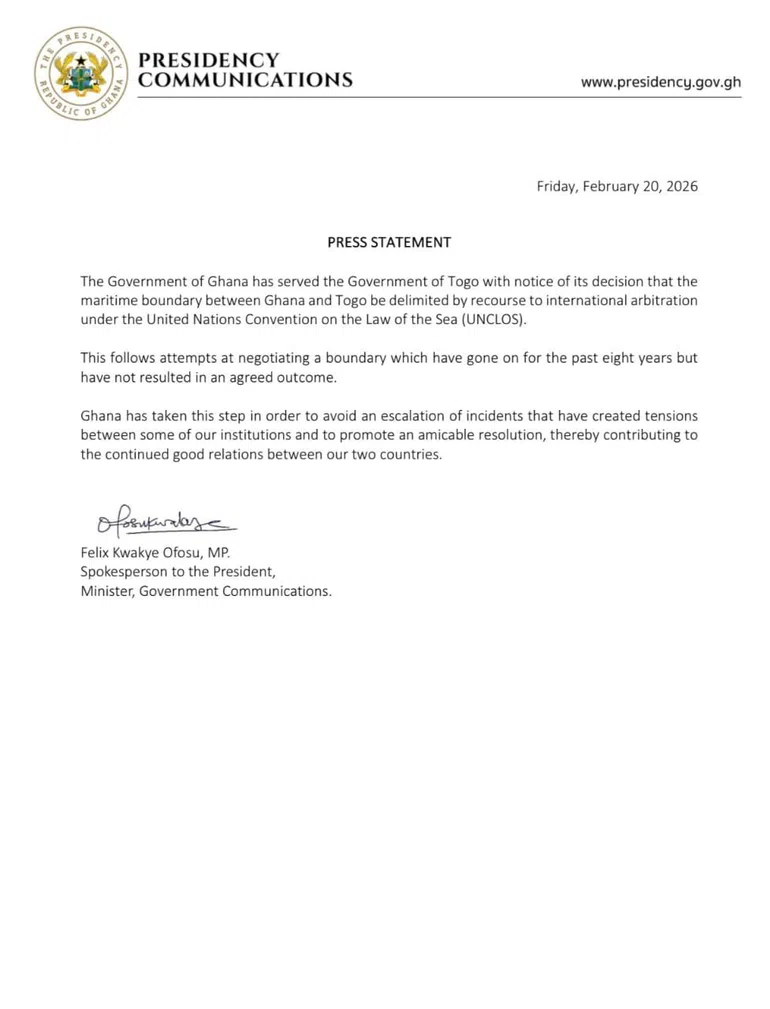
The Government of Ghana has formally notified the Government of Togo of its decision to refer their longstanding maritime boundary dispute to international arbitration.
In a statement released on Friday, February 20, Minister for Government Communications Felix Kwakye Ofosu confirmed that Ghana will seek the delimitation of the offshore boundary under the provisions of the United Nations Convention on the Law of the Sea (UNCLOS), the global legal framework governing the use and management of the world’s oceans.
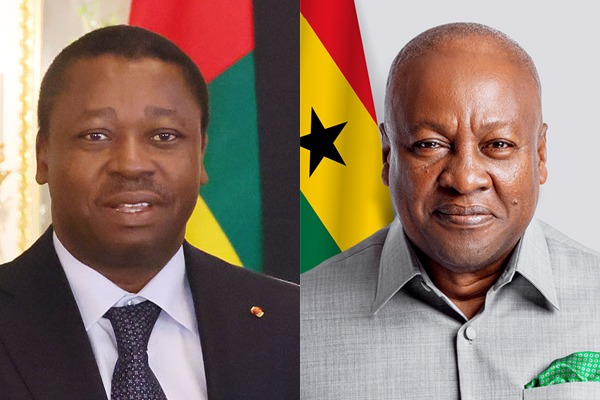
The decision follows eight years of bilateral negotiations between the two West African neighbours, which have not resulted in a mutually agreed settlement.
“This follows attempts at negotiating a boundary which have gone on for the past eight years but have not resulted in an agreed outcome,” the statement read.
Officials indicated that despite sustained diplomatic engagements, discussions failed to produce a definitive resolution. The government further noted that pursuing arbitration is aimed at preventing further tensions between state institutions in both countries.
According to the statement, Ghana’s move is intended to promote an amicable, transparent and rules-based resolution while preserving the longstanding cordial relations between Accra and Lomé.
By invoking arbitration under UNCLOS, Ghana seeks a binding legal determination of the maritime boundary, ensuring clarity and stability in the disputed offshore area.
This marks the second time in recent years that Ghana has turned to international adjudication to settle a maritime boundary dispute.
In 2014, Ghana initiated arbitration proceedings against Côte d’Ivoire over disagreements concerning their offshore boundary in the Gulf of Guinea, particularly following significant oil discoveries in the region.
The case was heard by a Special Chamber of the International Tribunal for the Law of the Sea (ITLOS), operating under UNCLOS.
In September 2017, the tribunal delivered a binding judgment that largely upheld Ghana’s position and formally delimited the maritime boundary along an equidistance line.
Ghana’s latest decision signals a continued commitment to resolving international disputes through established legal mechanisms rather than escalation.
By opting for arbitration, the government aims to secure legal certainty over offshore resources while maintaining diplomatic goodwill with Togo.
The move reinforces Ghana’s reliance on international law as a cornerstone of its foreign policy, particularly in matters concerning maritime sovereignty and resource management in the Gulf of Guinea.