
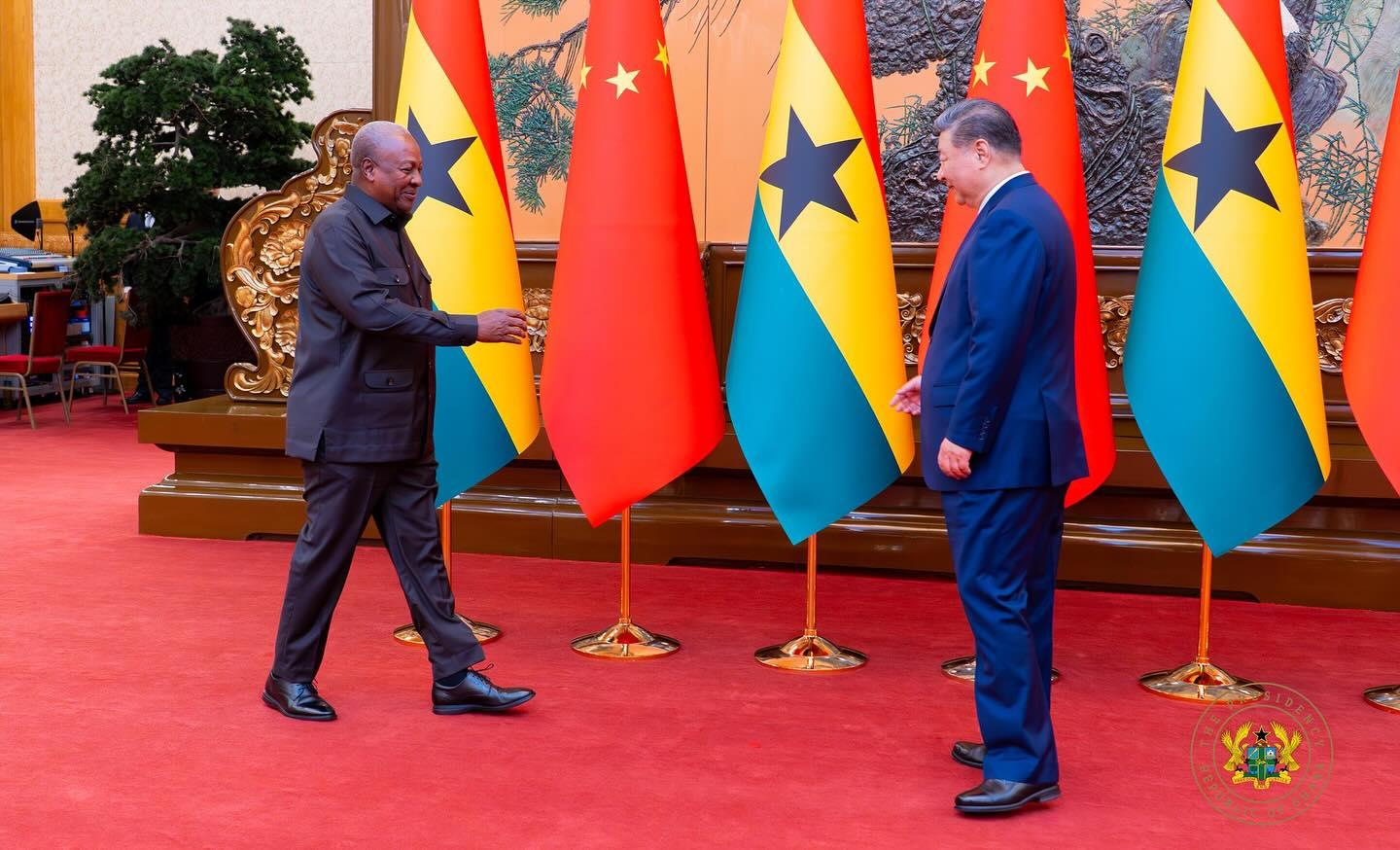
Ghana has secured a major technology partnership with Huawei Technologies aimed at strengthening the country’s digital future through artificial intelligence training, improved telecommunications infrastructure and affordable smart device production.
The agreement was reached by Ghana’s Minister for Communications, Digital Technology and Innovations, Samuel Nartey George, during a meeting with Huawei Senior Vice President Steven Yi at the global technology gathering, Mobile World Congress 2026, held in Barcelona.
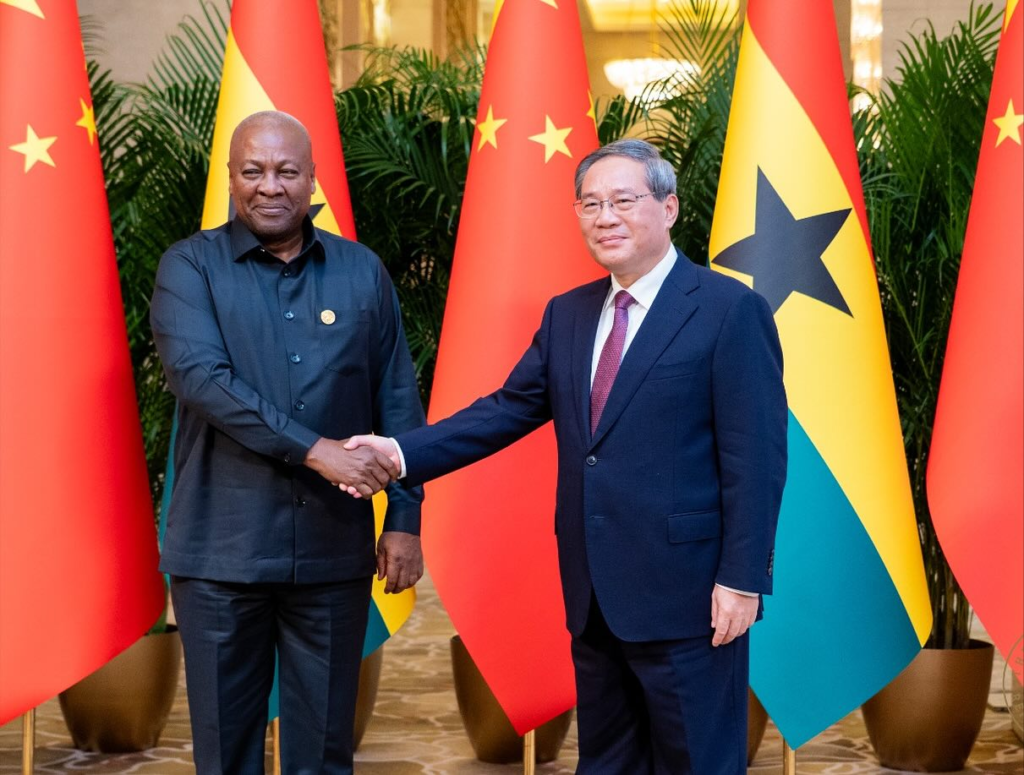
Under the new arrangement, Huawei will provide free artificial intelligence training for 3,000 girls in Ghana as part of the government’s flagship Girls in ICT Programme. The initiative aims to encourage more young girls to pursue careers in science, technology and digital innovation.
Speaking in an interview after the meeting, Minister George explained that the partnership aligns with Ghana’s broader strategy to strengthen its digital ecosystem and expand opportunities in the technology sector. According to him, Huawei’s involvement will significantly upgrade the scope of the training programme.
Currently, the Girls in ICT Programme offers participants a two-week training module focused on coding, animation and basic computer skills. However, the minister revealed that Huawei’s involvement will introduce an accelerated artificial intelligence training programme to equip participants with modern digital skills.
“For me this is critical because once the girls complete the training, they can join the One Million Coders Programme and gain further skills,” the minister said, noting that the initiative is designed to expose young people to technology early in their development.
Beyond the training programme, discussions between Ghana and Huawei also focused on the country’s plan to develop a US$250 million artificial intelligence compute centre. The proposed facility is expected to strengthen Ghana’s digital infrastructure and support the growth of data processing, AI research and innovation.
The partnership also includes efforts to expand rural telephony services to underserved communities across the country. While Ghana has achieved over 90 percent coverage with 4G networks, actual usage remains below 60 percent due largely to the high cost of smartphones and digital devices.
To address this challenge, the government and Huawei are exploring plans to establish a handheld device assembly plant in Ghana. The facility would produce affordable smartphones for both local and regional markets, helping to improve access to mobile internet services.
Huawei Ghana partnership, AI training for girls Ghana, Samuel Nartey George Huawei deal, Girls in ICT Programme Ghana, Ghana AI Compute Centre, Huawei Ghana AI project, digital technology Ghana, rural telephony expansion Ghana, 5G rollout Ghana, ICT education Ghana, AI skills training Ghana, Ghana technology development, Huawei investment Ghana, smartphone assembly plant Ghana, Ghana digital transformation
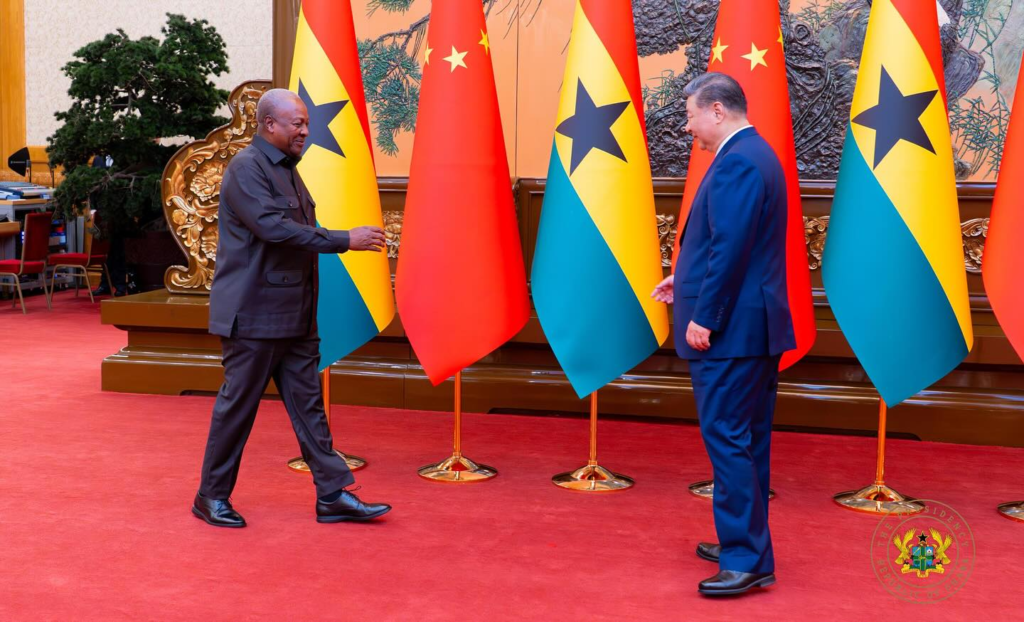
Minister George stressed that affordability and quality would remain central to the proposed manufacturing project. He explained that producing devices locally could significantly reduce costs while ensuring that more Ghanaians are able to benefit from the country’s growing digital infrastructure.
The discussions also touched on accelerating the rollout of 5G technology in Ghana. Expanding next-generation mobile networks is expected to support emerging technologies such as artificial intelligence, cloud computing and smart digital services.
Industry observers say the partnership marks an important step in Ghana’s digital transformation agenda. By combining skills development, infrastructure investment and device affordability, the initiative could help position Ghana as a leading technology hub in West Africa.
With thousands of girls set to receive AI training and new investments planned for telecommunications and digital infrastructure, the collaboration between Ghana and Huawei is expected to play a key role in shaping the country’s technology-driven future.