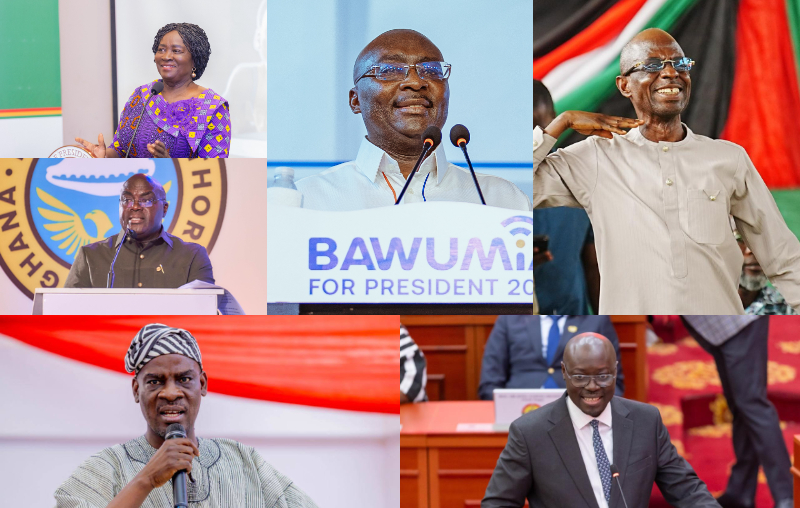
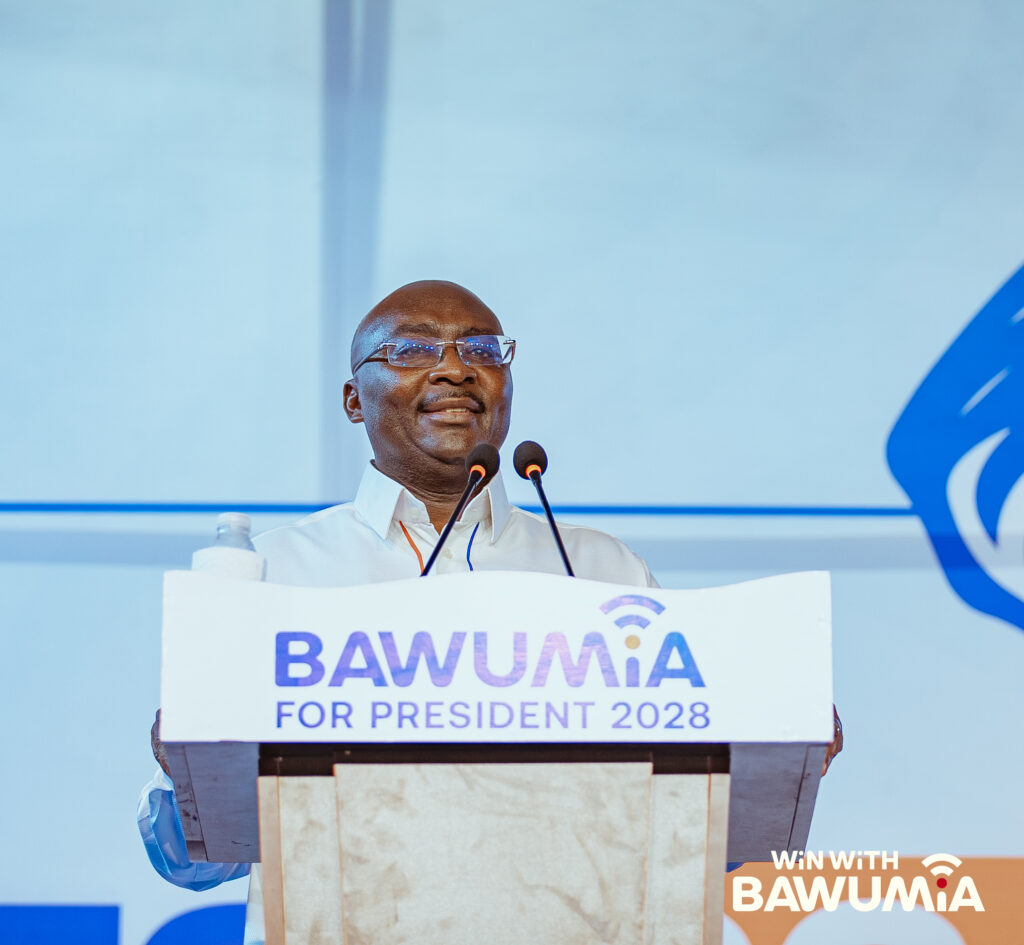
Dr Mahamudu Bawumia’s victory in the New Patriotic Party’s (NPP) presidential primaries on January 31, 2026, has shifted Ghana’s political focus firmly toward the 2028 general election. While his decisive win, securing 56.48% of delegate votes, confirmed him as the NPP’s flagbearer, early post-primary polling suggests that the road ahead may be difficult.
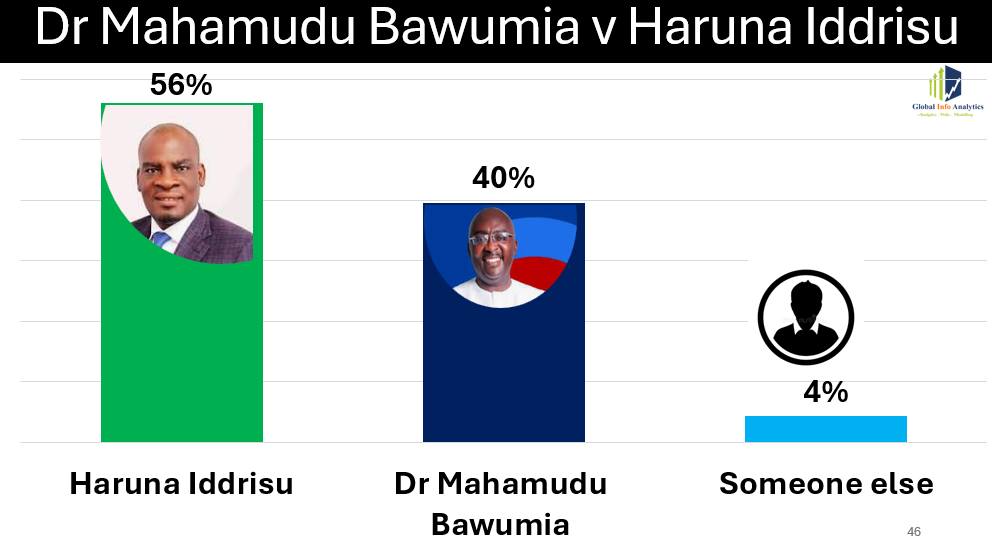
With President John Dramani Mahama serving his constitutionally final term, attention has turned to succession within the National Democratic Congress (NDC) and the strength of its emerging presidential hopefuls. Data from Global InfoAnalytics indicates that Dr Bawumia currently trails all major NDC contenders tested in hypothetical 2028 matchups, placing the governing party in a commanding early position.
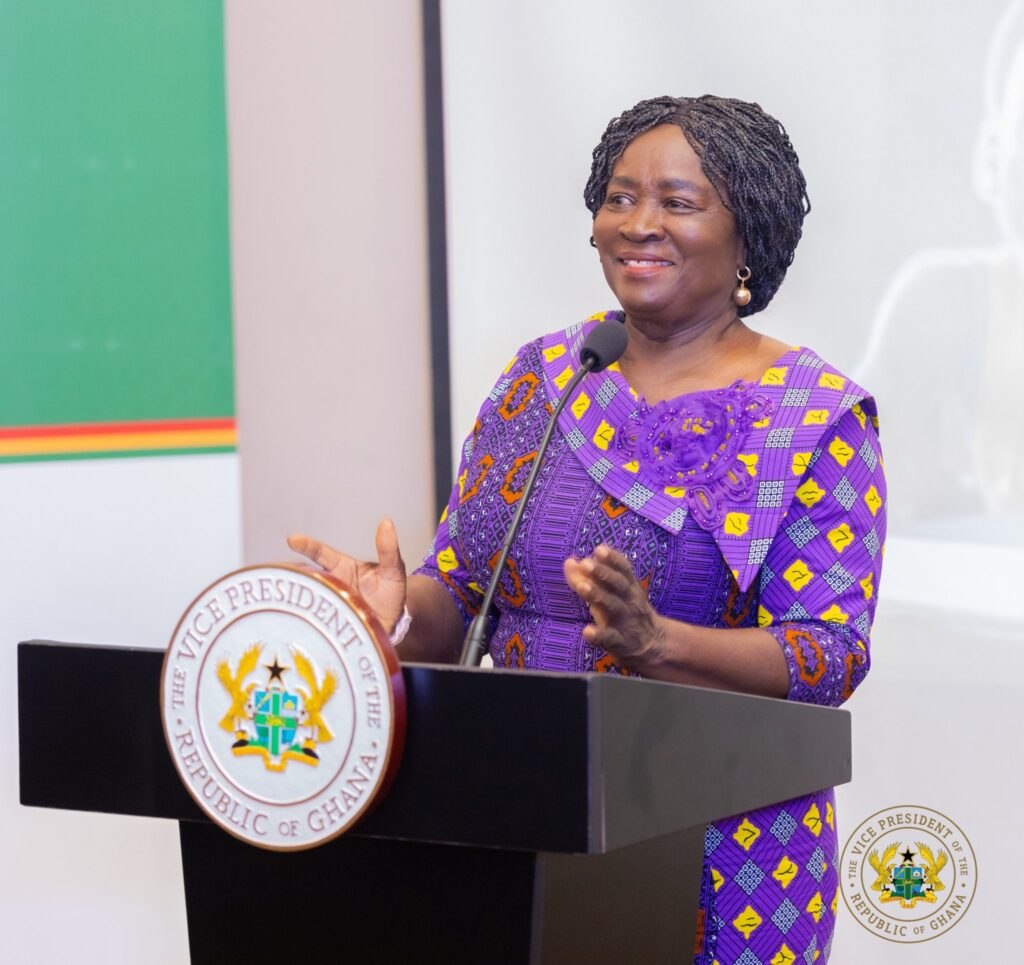
Jane Naana Opoku-Agyemang: Symbolism and Continuity
Vice President Prof Jane Naana Opoku-Agyemang remains one of the most influential figures in the NDC’s succession discussions. Although she was not included in the latest head-to-head polling against Dr Bawumia, internal NDC surveys conducted in April 2025 placed her at the top of the field, with support ranging between 26% and 33%.
As Ghana’s first female Vice President, her candidacy carries significant symbolic weight. Her academic credentials, ministerial experience, and current executive role reinforce perceptions of continuity and inclusive leadership. Analysts widely believe she would perform strongly in a general election should she enter the race.
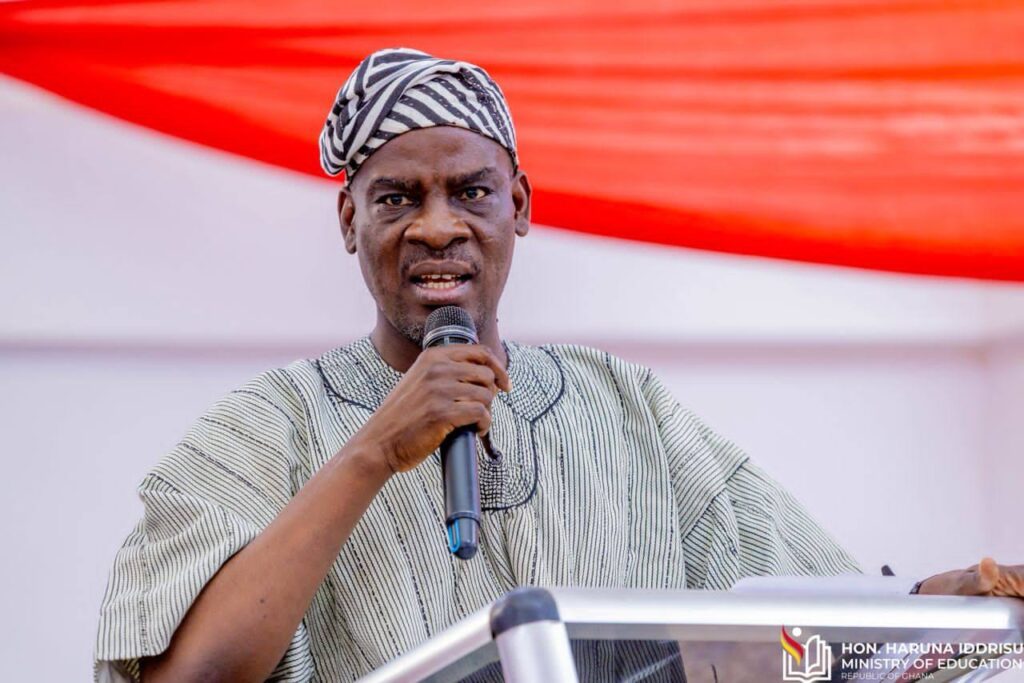
Haruna Iddrisu: A Strong National Performer
Education Minister and Tamale South MP Haruna Iddrisu emerges as one of the NDC’s most formidable contenders. Global InfoAnalytics polling shows him defeating Dr Bawumia by 56% to 40%, a commanding 16-point margin.
Iddrisu’s appeal extends beyond traditional party strongholds, particularly in competitive regions where he records nearly 48% support. Internally, he has consistently led NDC preference polls, posting figures between 30% and 33% in late 2025. His experience as a former Minority Leader and reputation as a skilled negotiator continue to resonate with voters.
Asiedu Nketiah: The Grassroots Mobiliser
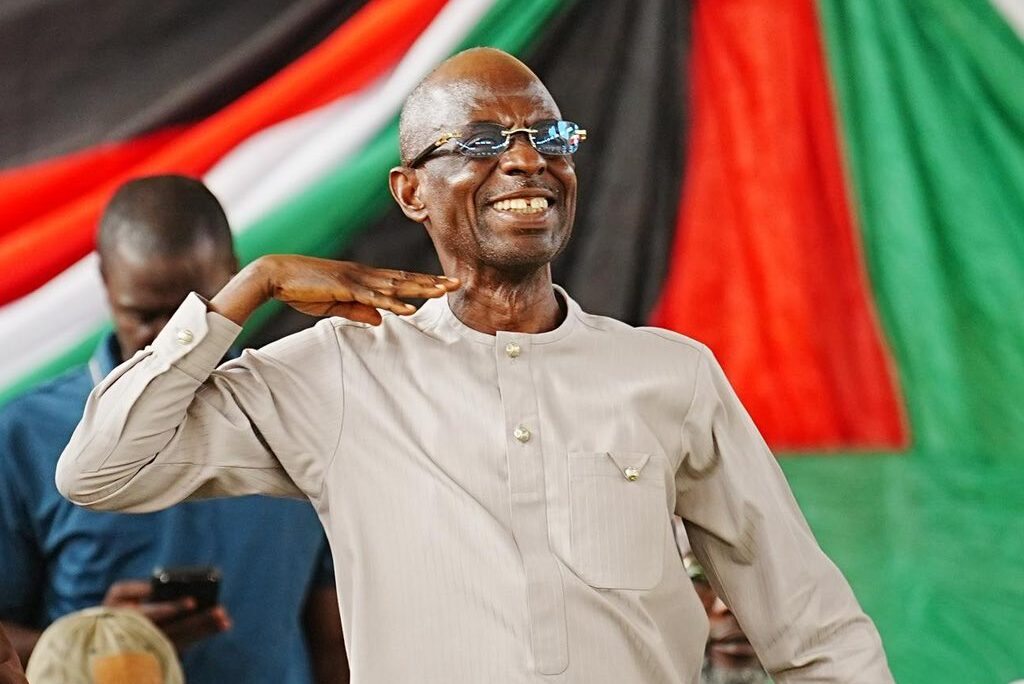
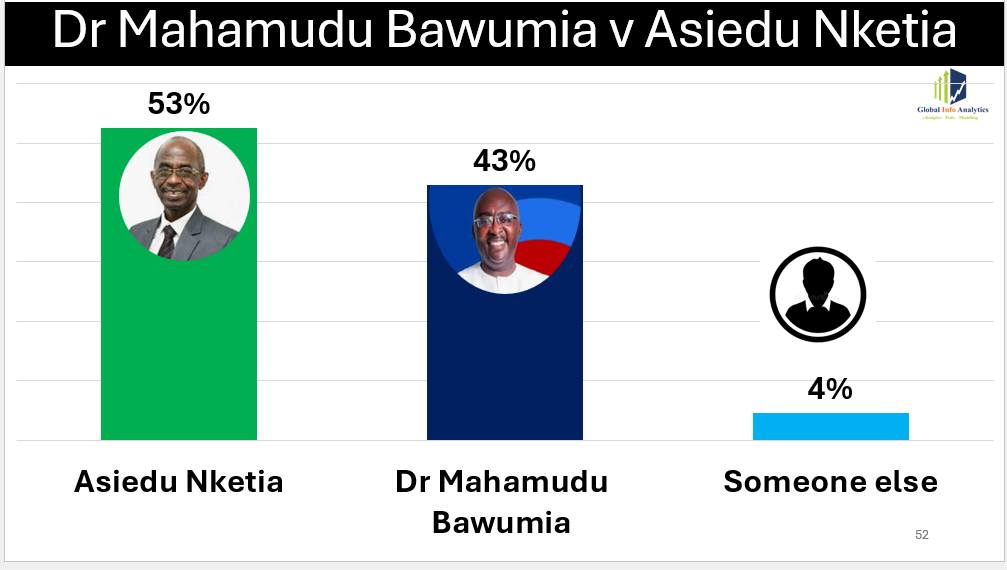
NDC National Chairman Johnson Asiedu Nketiah also performs strongly, defeating Dr Bawumia by 53% to 43% in head-to-head polling. His advantage lies in deep grassroots networks, organisational discipline, and decades of political experience.
Within the party, he regularly polls between 24% and 26%, and in scenarios where other top contenders are excluded, his support can rise to nearly 40%, underscoring his unifying appeal.
Julius Debrah: Administrative Appeal
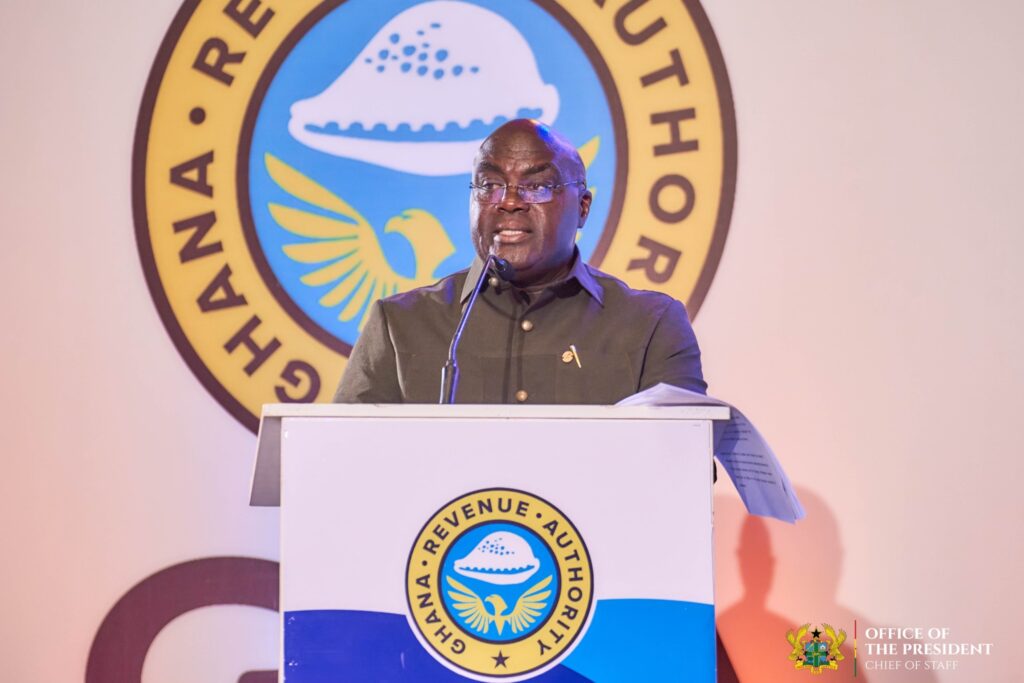
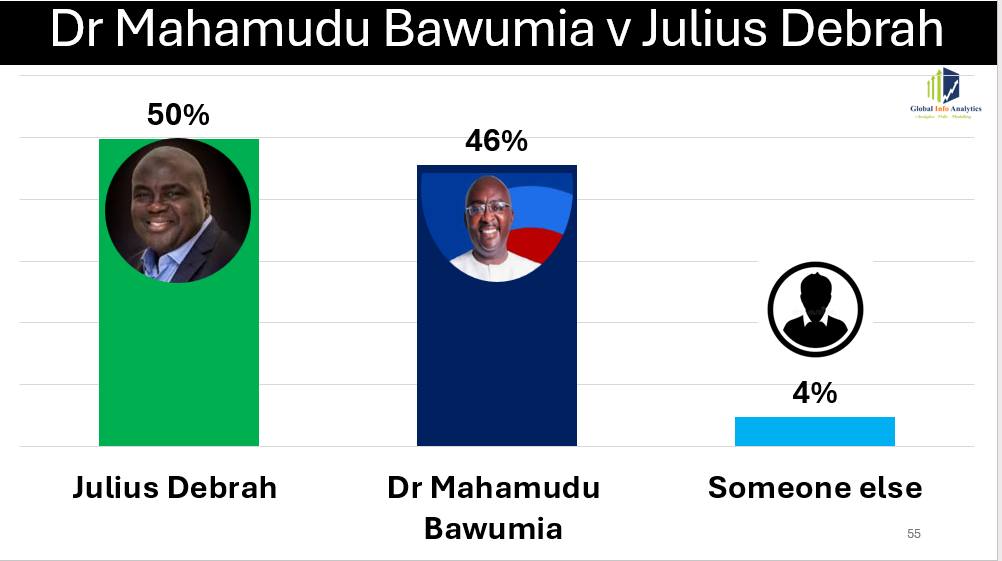
Chief of Staff Julius Debrah records the narrowest projected win against Dr Bawumia, with a 50% to 46% margin. Though his internal party support remains modest, typically between 6% and 11%, his national appeal suggests broader voter confidence in his administrative competence and governance experience.
Ato Forson: Economic Confidence
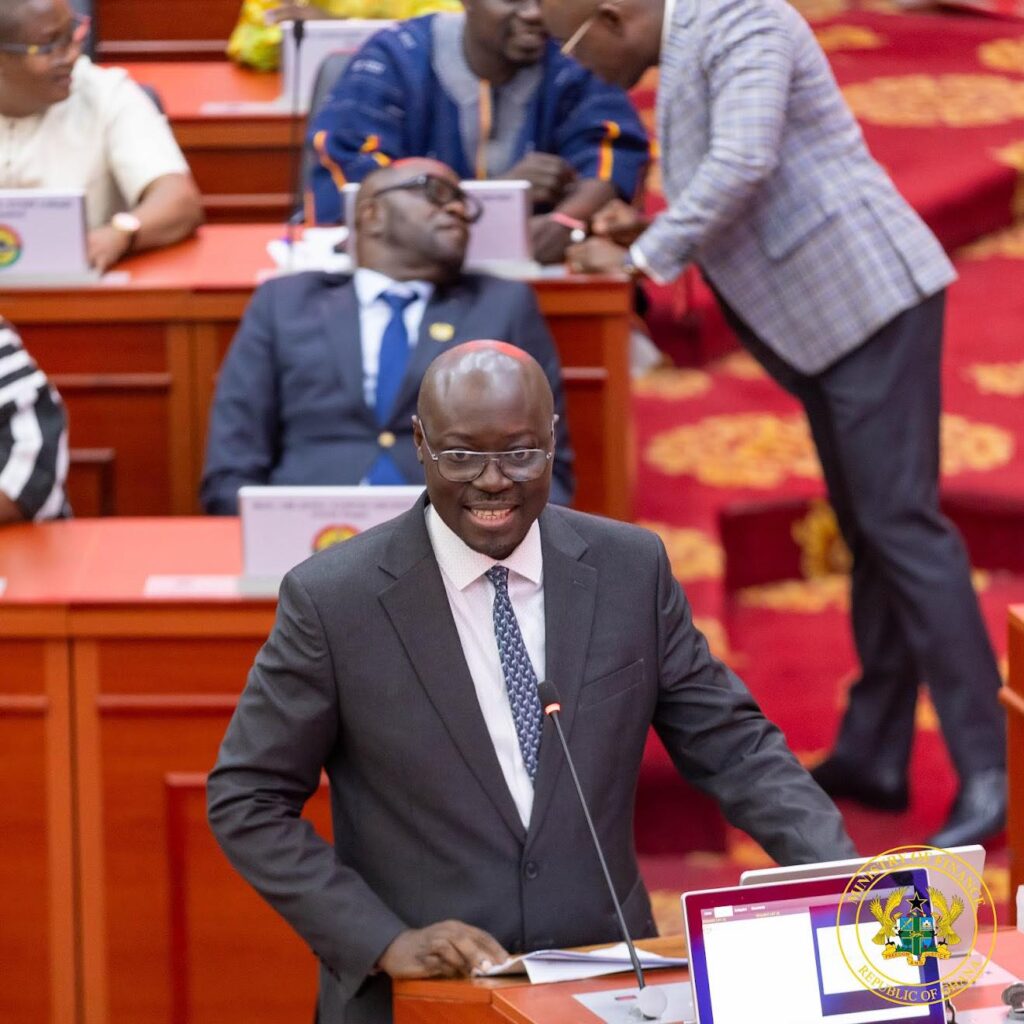
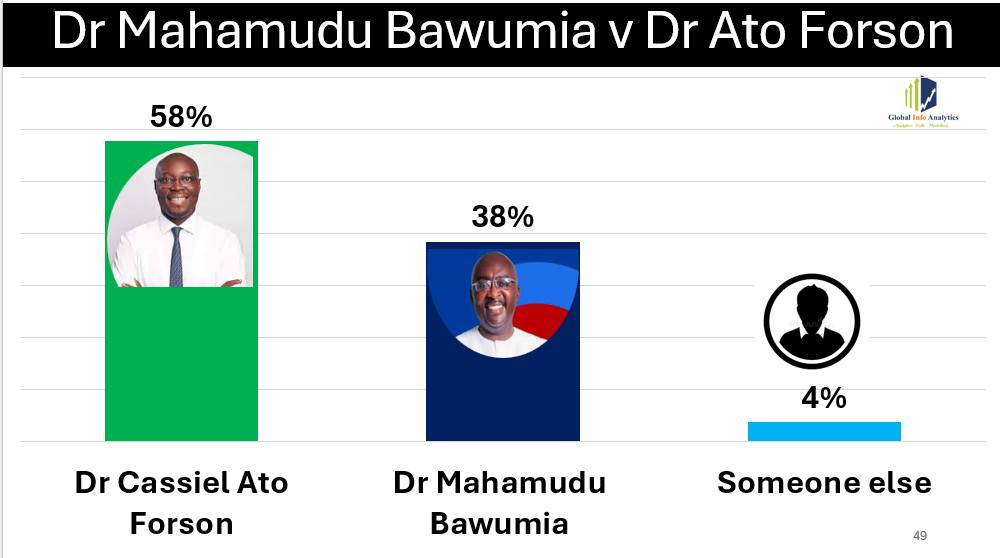
Finance Minister Dr Cassiel Ato Forson emerges as the strongest NDC challenger in polling terms. He leads Dr Bawumia by a wide margin of 58% to 38%, the largest gap recorded among all contenders.
His performance reflects public confidence in economic management, with many voters associating recent improvements in living conditions with his leadership. Despite moderate internal party support, his national appeal among swing voters is significant.
The Challenge for Bawumia
Despite securing the NPP flagbearer position, Dr Bawumia currently trails all major NDC contenders. Analysts point to lingering voter perceptions from his tenure as Vice President between 2017 and 2025, as well as internal party divisions highlighted by the substantial minority of delegates who backed other candidates.
Early polling places the NDC in a strong position ahead of the 2028 election. Prof Jane Naana Opoku-Agyemang, Haruna Iddrisu, Johnson Asiedu Nketiah, Julius Debrah, and Dr Cassiel Ato Forson all demonstrate clear pathways to victory against Dr Mahamudu Bawumia.
While margins vary, the trend is consistent. For the NDC, the central challenge is no longer electability but leadership selection, unity, and sustained governance performance as the 2028 contest approaches.