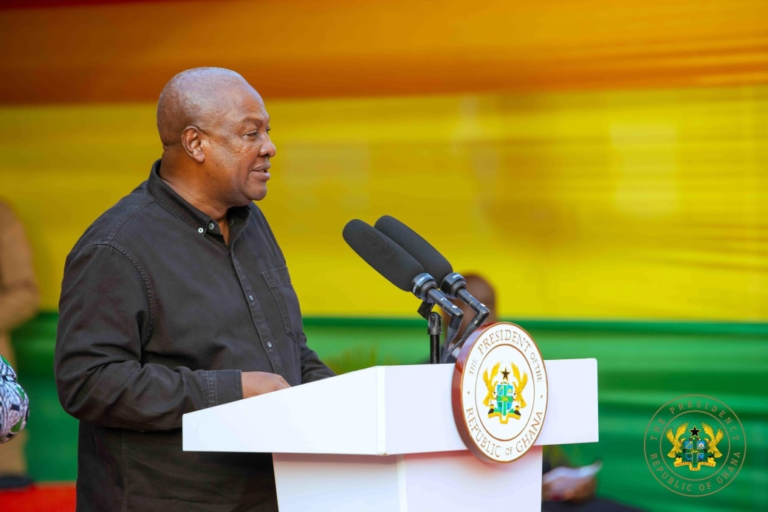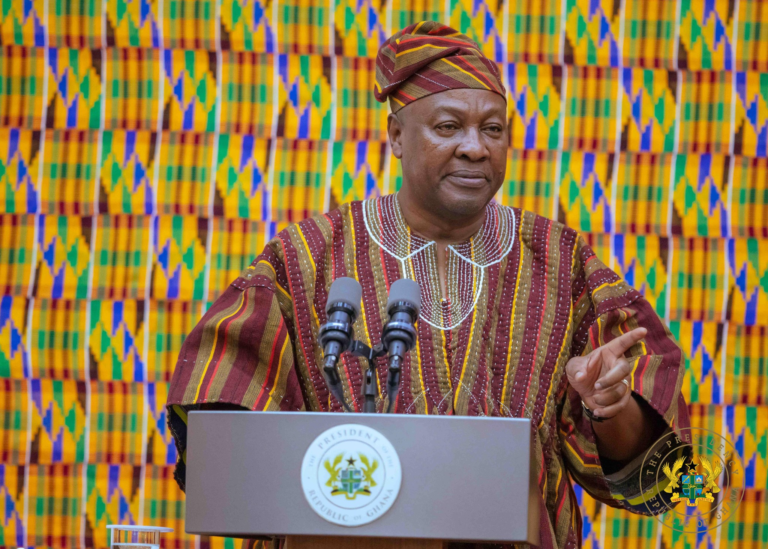
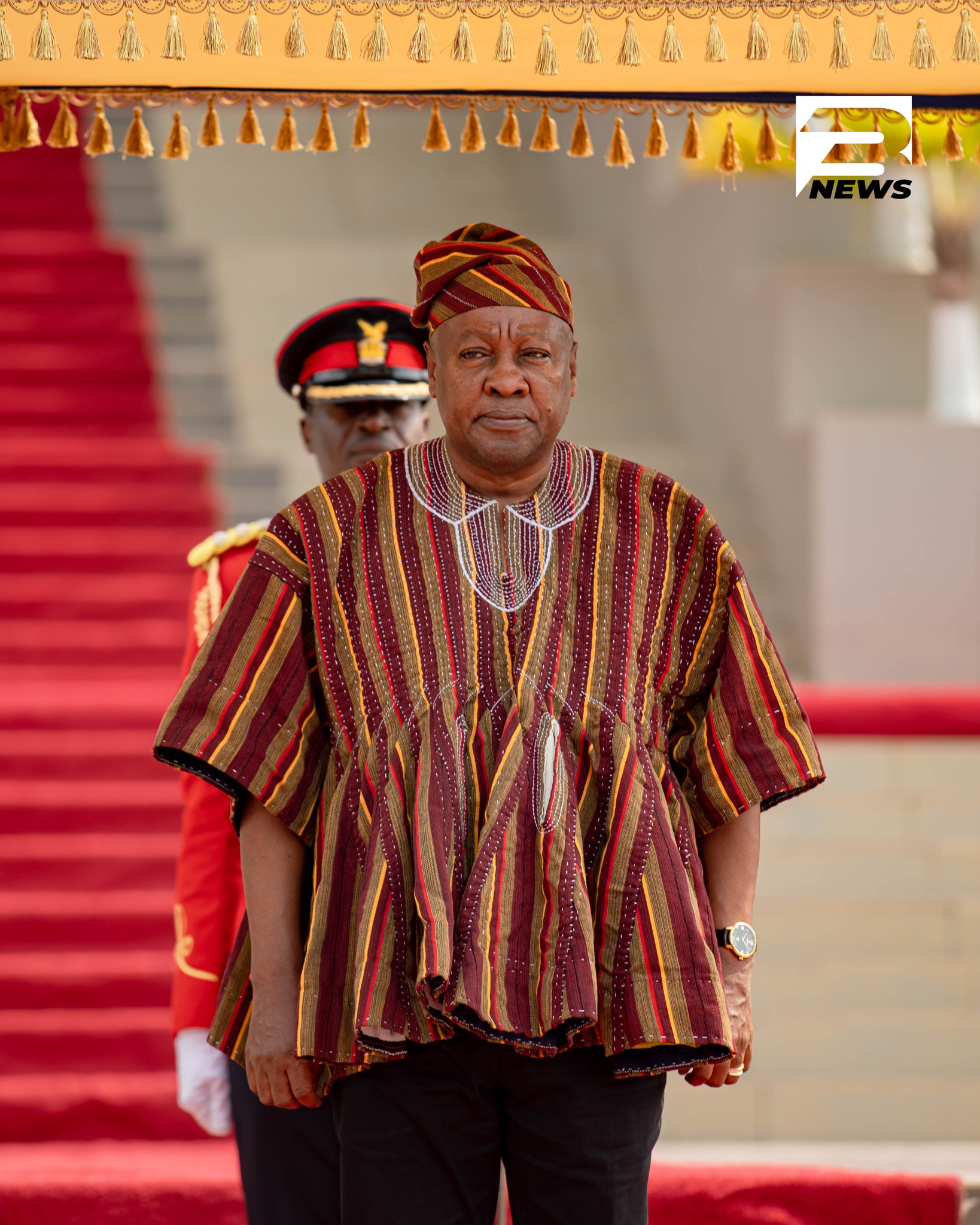
Cocoa pods became the centre of attention in Ghana’s Parliament on Friday, February 28, when Minority Members staged a symbolic protest moments before President John Dramani Mahama delivered his 2026 State of the Nation Address (SONA).
The dramatic gesture unfolded in full view of lawmakers and the nation, instantly transforming a formal constitutional exercise into a vivid political showdown.
The incident occurred shortly after the Speaker of Parliament, Alban Bagbin, invited the President to address the House. Members of the Majority caucus broke into a celebratory Twi chorus, singing “Ɔde asɛmpa na aba oo,” meaning “He has brought good news.”

The chant reflected their optimism about the government’s economic message and highlighted confidence in the administration’s flagship 24-Hour Economy policy, which aims to boost productivity and stimulate growth.
However, the Minority caucus quickly countered the celebratory mood. They modified the final line of the song to “atɔ nsuom,” a phrase suggesting failure or disappointment.
The exchange of chants created a charged atmosphere in the chamber, revealing the deep political divisions surrounding the President’s address and the broader national economic conversation.
The defining moment came when Minority MPs raised cocoa pods in the chamber. The symbolic display was designed to draw attention to what they describe as a worsening crisis in Ghana’s cocoa sector. Cocoa remains one of the country’s most significant export commodities and a vital pillar of the economy. It supports hundreds of thousands of farming households and generates substantial foreign exchange earnings.
By bringing cocoa pods into Parliament, the Minority sought to challenge the government’s narrative of economic stabilisation and recovery. While the President has consistently maintained that key economic indicators are improving, the Minority argues that cocoa production levels have declined and that farmers continue to face serious financial and structural challenges. They contend that without meaningful intervention, the downturn in the cocoa sector could undermine broader economic gains.
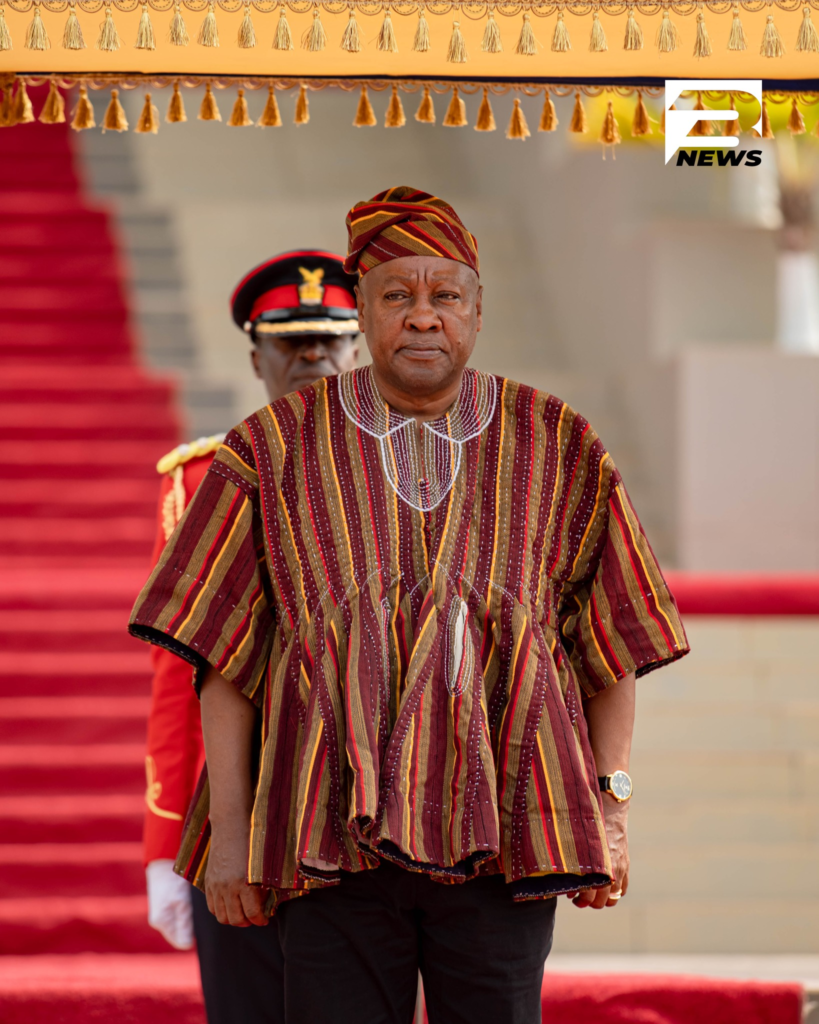
The protest served as a powerful visual statement. In a chamber often dominated by speeches and procedural formalities, the cocoa pods symbolised the lived realities of farmers and rural communities. The gesture underscored concerns that macroeconomic improvements may not yet be translating into relief for critical sectors.
The Majority, on the other hand, maintained that reforms and fiscal discipline are gradually restoring stability. Supporters of the government insist that measures taken to strengthen public finances and stimulate productivity will ultimately benefit all sectors, including cocoa.
As President Mahama proceeded with his address, the cocoa pod protest remained a defining image of the day. It highlighted not only the political tensions within Parliament but also the ongoing debate about Ghana’s economic direction. The episode demonstrated how symbolism can amplify political messaging, ensuring that the challenges facing key industries remain at the forefront of national discourse.