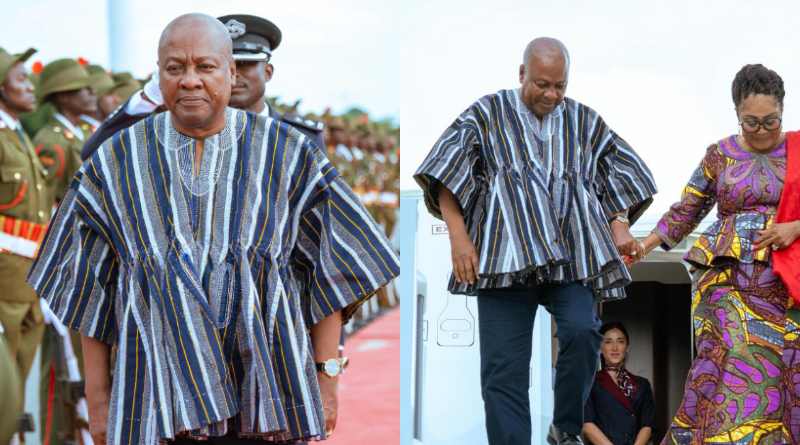
President John Dramani Mahama’s recent state visit to Zambia has ignited an unexpected but powerful cultural conversation across social media, following reactions to his choice of traditional attire during a ceremonial appearance.
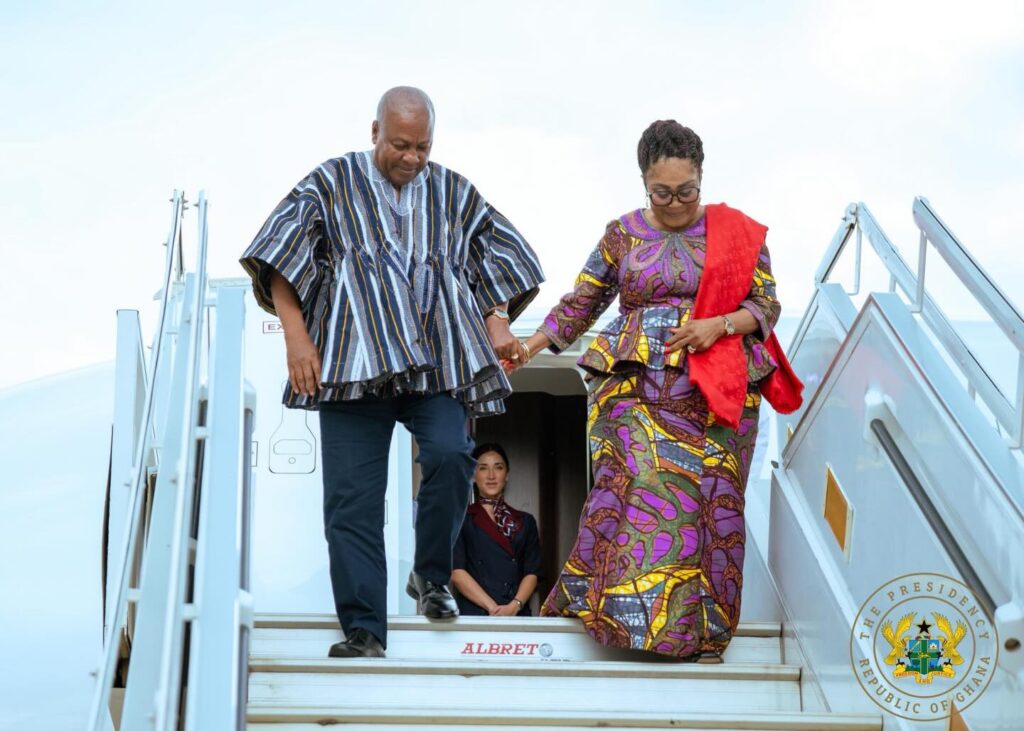
On February 3, President Mahama arrived in Zambia proudly dressed in a fugu, a traditional Ghanaian smock deeply rooted in the cultural heritage of northern Ghana. The outfit, often worn during important national and ceremonial events, was intended to showcase Ghana’s rich identity and cultural pride on an international stage.
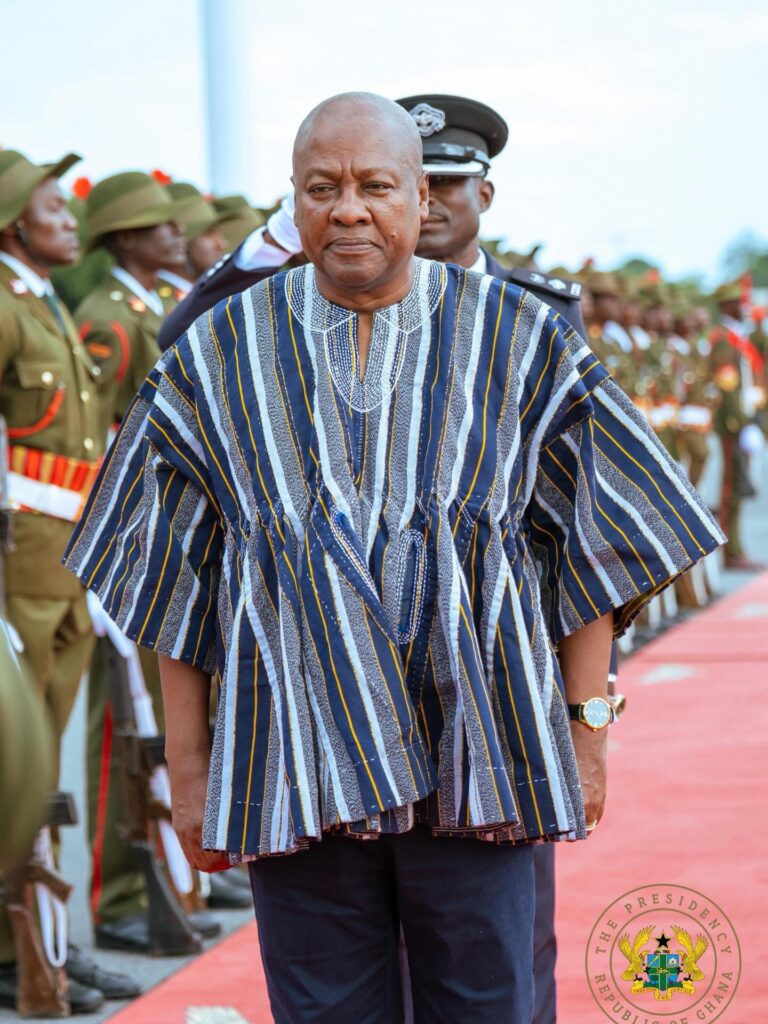
However, what was meant to be a dignified cultural statement quickly became a trending topic online after some Zambian social media users referred to the attire as a “blouse.” The comment sparked widespread reactions, particularly among Ghanaians, who viewed the description as dismissive and culturally insensitive.
The remark triggered a wave of responses from Ghanaian celebrities, influencers, historians, and public figures who took to social media to defend the fugu and educate the public about its historical and cultural significance.
Photos, videos, and explanatory posts flooded platforms such as X, Facebook, Instagram, and TikTok, highlighting the craftsmanship, symbolism, and longstanding role of the fugu in Ghanaian tradition. Many users pointed out that the attire represents identity, leadership, and pride, particularly among communities in northern Ghana.
The conversation quickly evolved beyond the initial criticism, transforming into a broader celebration of Ghanaian heritage and African traditional fashion.
Amid the viral cultural moment, several voices began calling for the establishment of a National Fugu Day in Ghana. Supporters of the idea argue that dedicating a day to celebrating the attire would promote cultural education, strengthen national pride, and help correct misconceptions about Ghanaian traditions on the global stage.
Advocates believe a National Fugu Day could encourage Ghanaians at home and abroad to wear the attire proudly, organise cultural exhibitions, and engage younger generations in learning about their heritage.
Some have also suggested that such an initiative could boost tourism, local textile production, and the creative arts industry by spotlighting traditional craftsmanship.
The episode once again underscores the power of social media in shaping cultural narratives. While the initial comment sparked controversy, it also created an opportunity for dialogue, education, and collective pride.
Cultural commentators note that moments like these highlight the importance of representation and understanding in a globalised world, where traditional symbols are often misunderstood or mislabelled.
As discussions continue, President Mahama’s appearance in fugu has become more than just a fashion statement. It has evolved into a moment of cultural reaffirmation, reminding Ghanaians of the enduring relevance of their heritage in modern society.
Whether or not a National Fugu Day is officially adopted, the viral moment has already achieved one outcome: reigniting national pride and global attention on Ghana’s rich cultural identity.