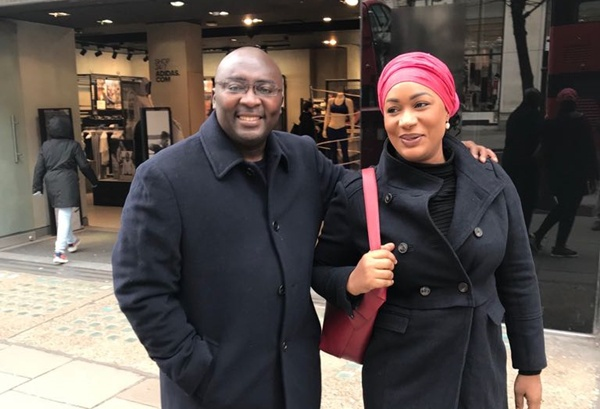
Ghana’s former Vice-President and 2028 New Patriotic Party flagbearer, Mahamudu Bawumia, and his wife, Samira Bawumia, have been safely relocated from Qatar to another country as tensions continue to escalate across the Middle East.
Diplomatic sources confirmed that the move was carried out as a precautionary measure in response to the deteriorating security situation in the region.
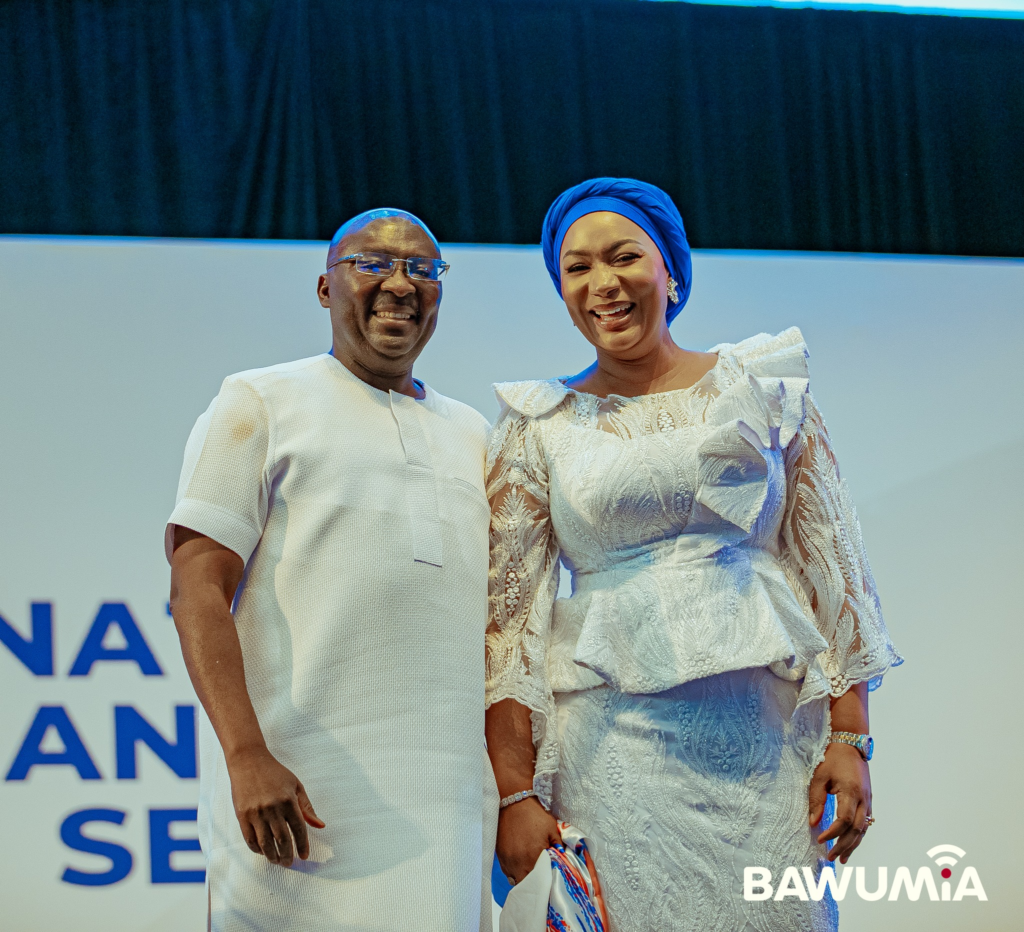
The relocation was coordinated by Ghanaian diplomatic missions following direct instructions from the Minister for Foreign Affairs, Samuel Okudzeto Ablakwa. Acting on behalf of the Government of Ghana, the Minister directed embassies in the Middle East to take immediate steps to ensure the safety of Dr Bawumia, his wife, and members of their entourage.
According to sources familiar with the process, embassy officials worked closely with host country authorities to arrange swift and discreet travel logistics. While specific operational details remain confidential for security reasons, officials described the relocation as smooth and well-organised. The move forms part of broader safety measures being implemented by Ghana in response to growing instability in the region.
The Middle East has recently witnessed one of its most intense periods of unrest in years, with rising hostilities involving the United States, Israel, and Iran. The crisis, widely linked to the 2026 Strait of Hormuz confrontation, began on 28 February 2026 following coordinated military strikes by the United States and Israel targeting Iranian military installations and leadership structures. Iran’s retaliatory actions reportedly included missile and drone attacks, further escalating tensions.
The Strait of Hormuz, a strategic maritime corridor through which a significant percentage of global crude oil shipments pass, has experienced disruptions as a result of the conflict. The situation has sparked concerns over global energy supplies, international shipping routes, and economic stability worldwide. Airspace closures across several Gulf states have also led to travel disruptions, affecting both commercial and diplomatic movements.
Beyond the geopolitical implications, the humanitarian impact has drawn concern from the international community. The United Nations has warned that escalating violence risks worsening civilian suffering and complicating humanitarian operations. Countries with nationals in affected areas have begun reviewing evacuation protocols and issuing updated travel advisories.
In response, Ghana has activated emergency preparedness measures to protect its citizens in the region. The Ministry of Foreign Affairs has indicated that it is working continuously to monitor developments and provide necessary consular assistance. Embassies have been placed on high alert to support Ghanaians residing in or transiting through affected countries.
Recent actions reportedly include the evacuation of some diplomatic personnel from Tehran and other high-risk locations. Authorities maintain that the safety and welfare of Ghanaian nationals abroad remain a top priority.
While Dr Bawumia and his wife have now been relocated to a safer environment, Ghanaian officials stress that the situation remains fluid. Monitoring efforts continue as regional dynamics evolve, with the government prepared to take further action should conditions require additional protective measures.