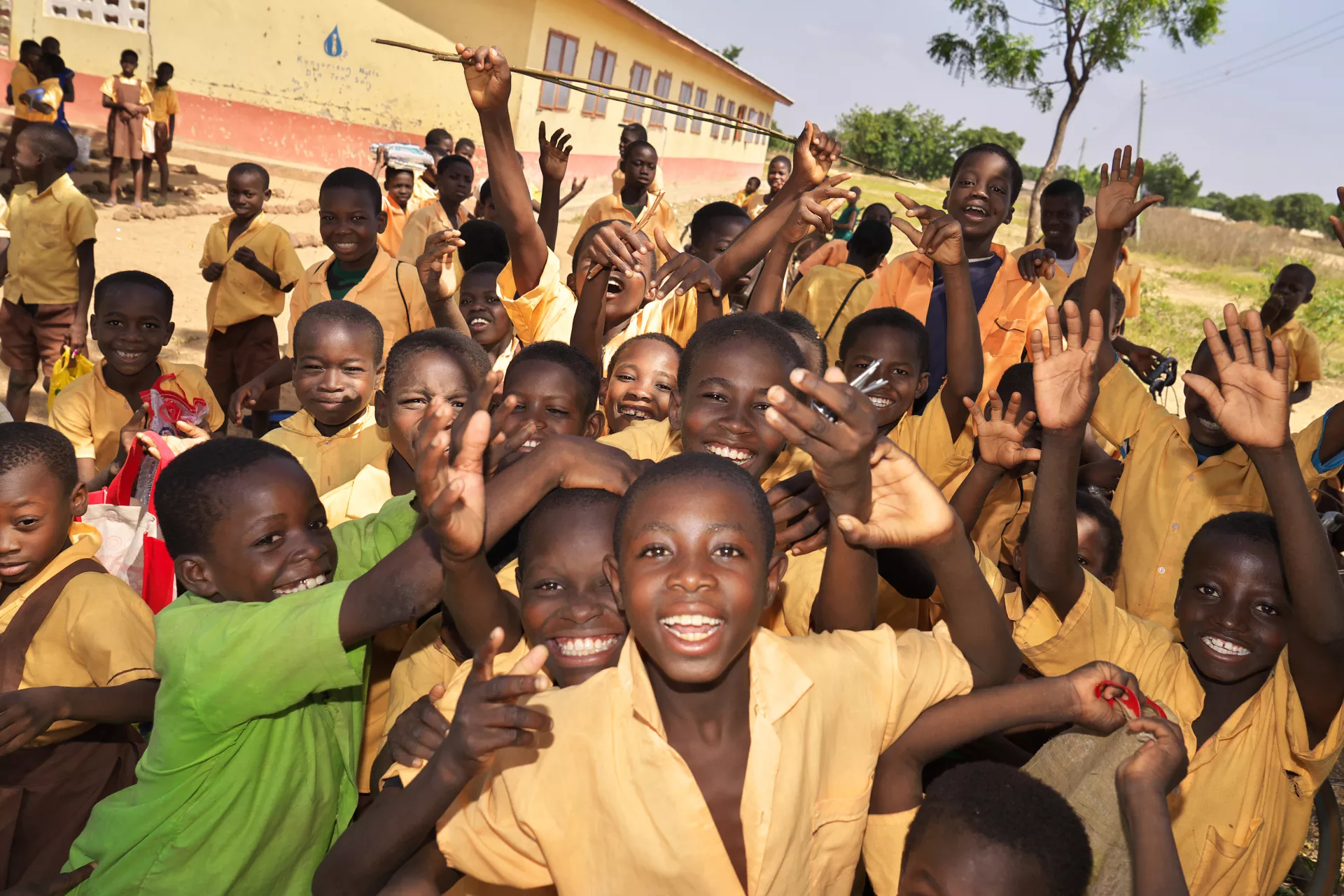
The Ahanta language has taken a significant step towards formal recognition within Ghana’s education system following the official approval of its orthography by the Bureau of Ghana Languages (BGL). The endorsement paves the way for Ahanta to be taught and eventually examined at both basic and senior high school levels across Ahanta-speaking areas.
The approval marks the culmination of months of assessment, stakeholder engagement, and technical review after a formal submission was made by the Member of Parliament for Ahanta West, who spearheaded efforts to develop a standard writing system for the language. The move has been widely welcomed as a breakthrough for linguistic inclusion and cultural preservation in the Western Region.
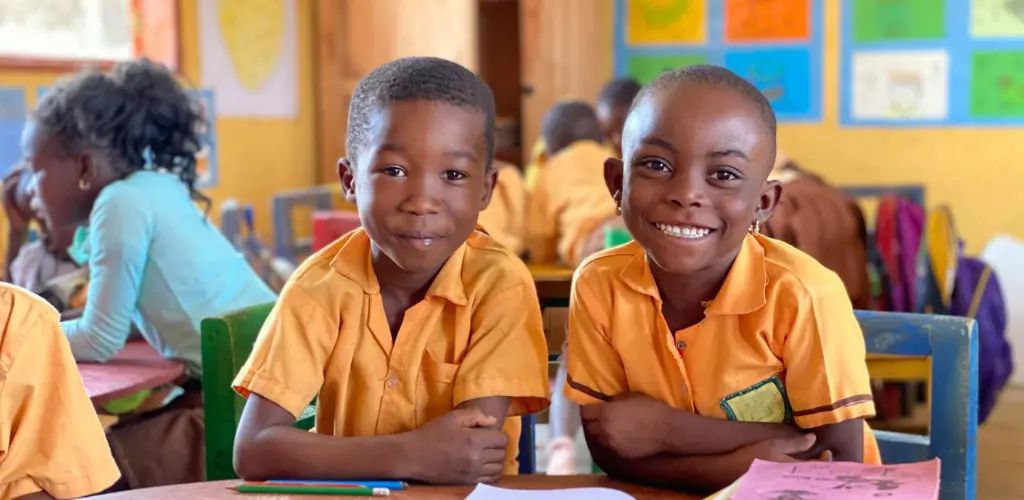
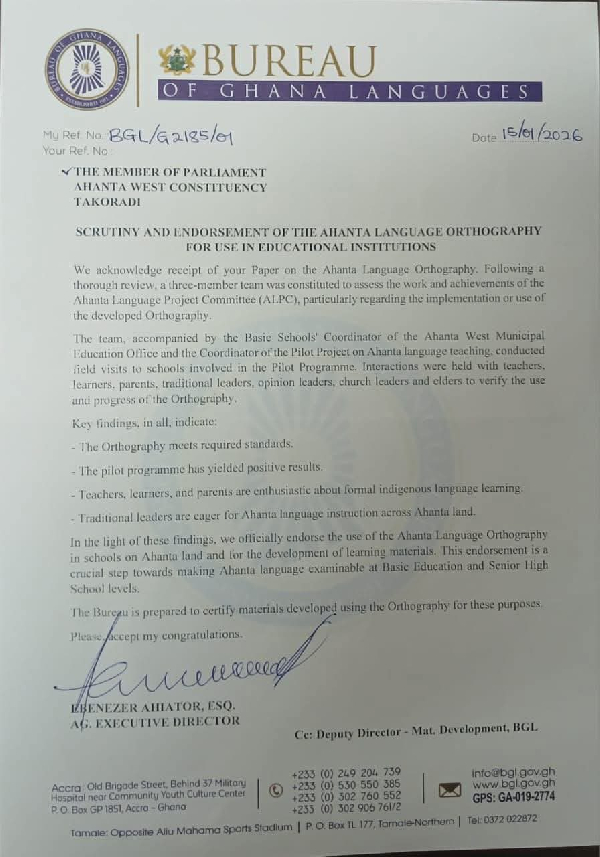
To evaluate the suitability of the Ahanta orthography for classroom use, the Bureau of Ghana Languages constituted a three-member technical team. The team undertook a comprehensive review process, which included field visits to selected schools participating in a pilot teaching programme in parts of the Ahanta area.
During these visits, the team interacted extensively with teachers, pupils, parents, traditional leaders, church leaders, and opinion leaders. The objective was to assess how the orthography was being applied in teaching, how learners were responding to instruction in Ahanta, and the level of community support for the initiative.
According to the Bureau, the outcomes of the assessment were overwhelmingly positive. In its official endorsement, the BGL stated that the Ahanta orthography meets the required linguistic, pedagogical, and educational standards necessary for use in schools. The Bureau noted that both teachers and learners demonstrated strong enthusiasm during the pilot programme, while parents and traditional authorities expressed increasing support.
Chiefs and elders in Ahanta land, the Bureau revealed, have shown readiness to see the language introduced more broadly into schools, describing it as a vital tool for preserving cultural identity and transmitting indigenous knowledge to younger generations.
As a result of the successful assessment, the Bureau of Ghana Languages has formally endorsed the use of the Ahanta orthography in schools located within Ahanta-speaking communities. The approval also covers the development of textbooks, teaching guides, and other instructional materials using the certified writing system.
The endorsement is regarded as a critical step towards making Ahanta an examinable subject at both the basic education and senior high school levels. The Bureau further indicated its readiness to certify teaching and learning materials developed with the approved orthography, a move that will allow schools to commence structured instruction once trained teachers and approved materials are in place.
Beyond academics, the approval is seen as a major victory for cultural preservation. For decades, the Ahanta language has existed largely outside formal education, overshadowed by more dominant Ghanaian languages such as Twi, Fante, and Ewe. Education experts and cultural advocates argue that introducing Ahanta into classrooms will help safeguard the language for future generations.
Some also believe that mother-tongue instruction strengthens children’s sense of identity, belonging, and self-confidence, while improving comprehension and learning outcomes, especially at the early stages of education.
The development aligns with Ghana’s broader education policy direction, which promotes the use of indigenous languages as a foundation for effective learning. By approving the Ahanta orthography, the Bureau of Ghana Languages has reaffirmed its commitment to linguistic diversity and inclusive education.
For many in Ahanta land, the approval represents not just a policy achievement but a cultural milestone—one that restores pride in their language and ensures its continued relevance in Ghana’s evolving educational landscape.