
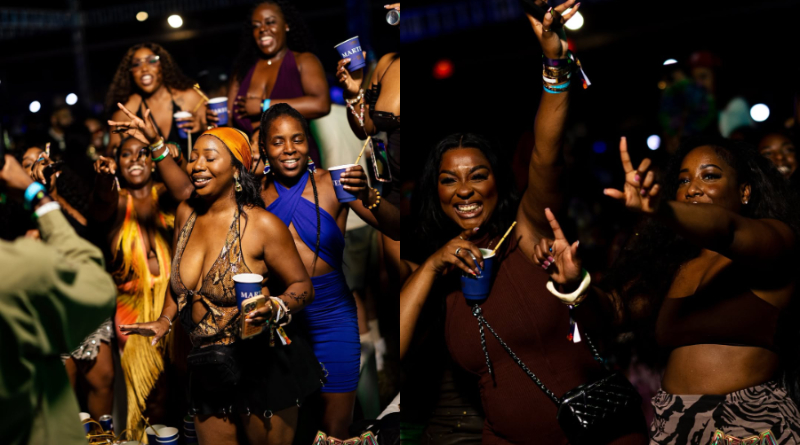
A recent survey conducted by NRS has revealed notable shifts in dating behaviours among young women in Ghana, with 51 percent of women aged 19 to 27 reporting that they date three or more men simultaneously. The findings highlight evolving social attitudes toward relationships, independence, and personal choice among young adults in a rapidly changing society.
The survey, which sampled women across several urban and peri-urban communities, suggests that modern dating practices are becoming increasingly fluid. According to researchers, more than half of respondents acknowledged being involved with multiple partners at the same time, a trend that reflects broader transformations in social norms and expectations surrounding romantic relationships.
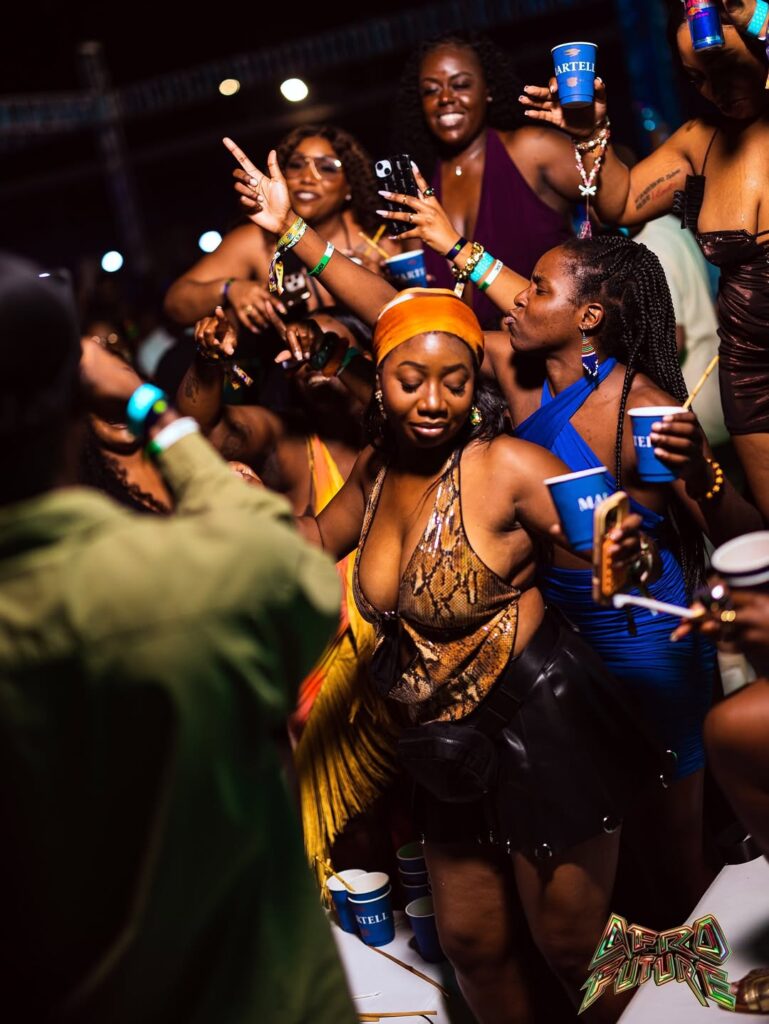
Experts say the findings point to a generational shift in how young women perceive dating and commitment. Unlike previous generations where exclusivity was often expected early in a relationship, many young adults now view dating as an exploratory phase rather than an immediate path to long-term commitment.
Sociologists note that increased female autonomy, access to education, and economic participation have empowered young women to make independent choices about their personal lives. As a result, traditional expectations around courtship and exclusivity are gradually being redefined.
Technology is widely regarded as a major factor influencing these changing dynamics. Dating apps, social media platforms, and instant messaging tools have expanded social networks and made it easier to meet and communicate with multiple potential partners simultaneously.
Increased mobility and exposure to global cultures through digital platforms have also played a role. Many young Ghanaians are adopting relationship practices influenced by global trends, blending them with local cultural values in new and complex ways.
The survey findings have sparked debate among social commentators. Some view the trend as a natural expression of personal freedom in a modernising society, arguing that dating multiple people allows individuals to better understand their preferences before committing to a long-term relationship.
Others, however, have raised concerns about the emotional and psychological demands of managing multiple concurrent relationships. Critics argue that such arrangements can increase stress, misunderstandings, and emotional strain if communication and expectations are not clearly defined.
Public health advocates have also weighed in, stressing the importance of open communication, mutual respect, and responsible sexual behaviour. They note that dating multiple partners increases the need for honest conversations around boundaries, consent, and sexual health.
Health experts emphasise regular testing, access to accurate information, and destigmatised discussions about sexual wellbeing as essential components of modern dating culture. They argue that regardless of personal choices, informed decision-making is key to protecting physical and emotional health.
The NRS survey underscores broader questions about how young people in Ghana are navigating love, companionship, and commitment in a rapidly evolving social landscape. Economic pressures, delayed marriage, changing gender roles, and shifting aspirations all contribute to how relationships are formed and maintained.
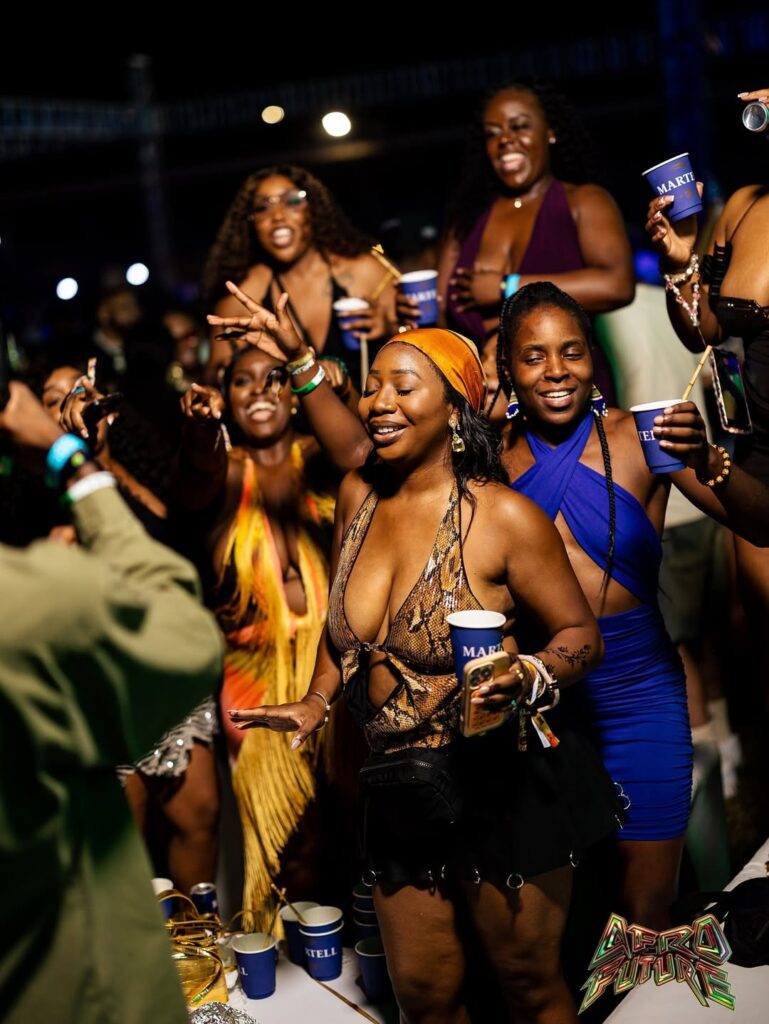
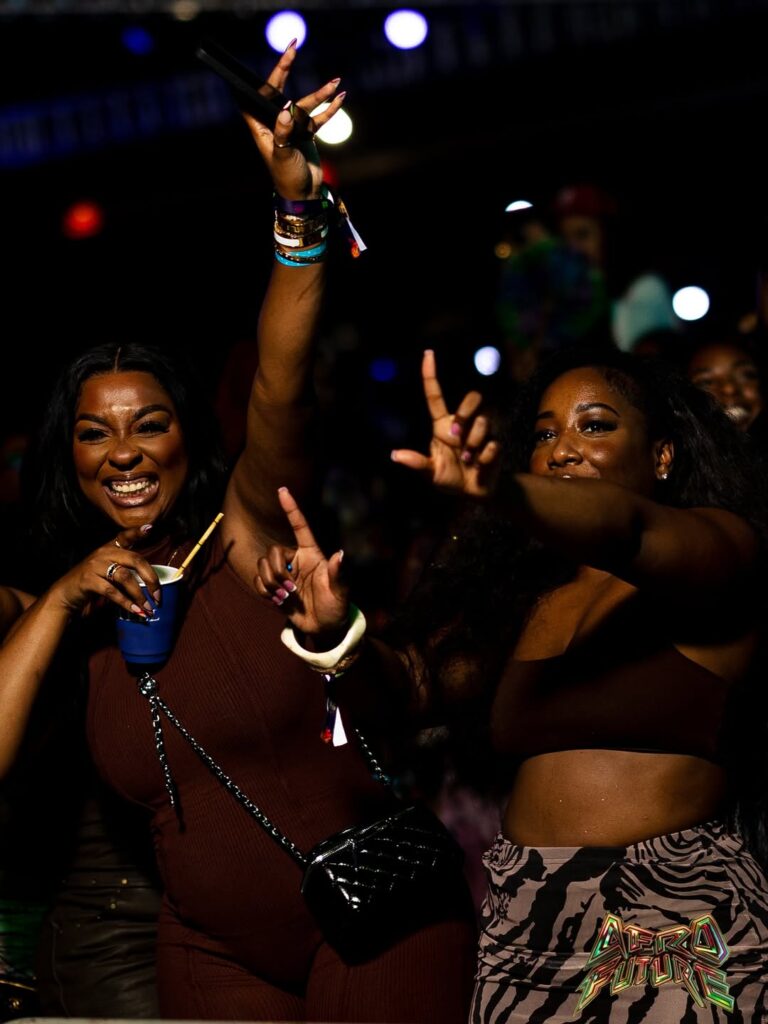
Researchers indicate that further studies are expected to explore the motivations behind these choices, including socioeconomic factors, cultural expectations, and long-term implications for family structures and social cohesion.
As Ghana continues to urbanise and modernise, dating practices among young adults are evolving alongside broader social changes. The NRS survey highlights not just a shift in relationship behaviour, but a deeper conversation about identity, independence, and connection in contemporary Ghanaian society.
While opinions differ, the findings make one thing clear: young people are redefining what relationships mean in today’s world, and those changes are shaping the future of social interaction in Ghana.