

Ghanaian rap icon Okyeame Kwame has weighed in on the long-standing feud between Shatta Wale and Stonebwoy, describing the rivalry as unnecessary and harmful to the growth of the Ghanaian music industry.
Speaking on Face to Face with Umaru Sanda Amadu on Channel One TV on Tuesday, April 7, the award-winning musician made it clear that while the feud may generate attention and keep fans engaged online, it does little to advance the industry in meaningful ways.
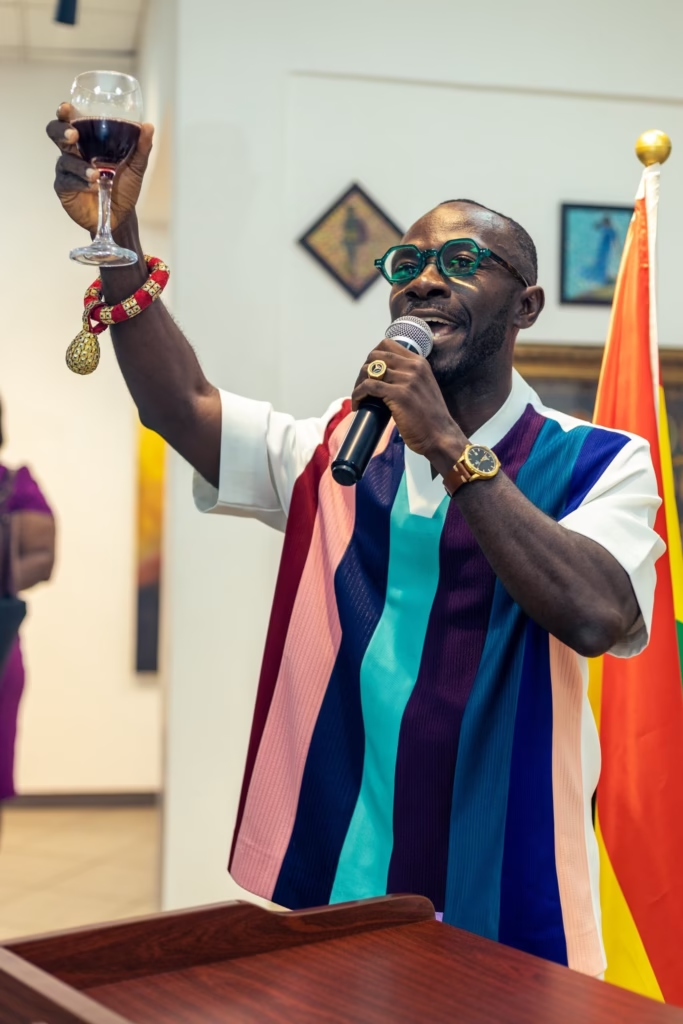
“I think it’s unnecessary,” he said. “It keeps the industry alive in terms of gossip and social media trends, but that’s about it.”
According to Okyeame Kwame, the constant back-and-forth between high-profile artistes creates a damaging narrative that affects how the entire industry is perceived, especially by corporate stakeholders and decision-makers.
“When artistes like me go to sit down with CEOs, they think I’m one of them. It paints all of us with one brush,” he explained, stressing that the actions of a few can shape opinions about the entire creative community.
He further pointed out that beyond public perception, such feuds have real economic consequences. Sponsorship deals, brand partnerships, and investment opportunities, he noted, are often influenced by how stable and professional an industry appears to outsiders.
“It’s affecting how sponsorship works and even policy direction. If parliamentarians are discussing what they can do for the arts and they see us fighting, why would they take us seriously?” he questioned.
His remarks highlight a growing concern among industry veterans who believe that unity and professionalism are key to unlocking the full economic potential of Ghana’s music sector.
Okyeame Kwame also rejected the notion that the rivalry between Shatta Wale and Stonebwoy could be dismissed as harmless entertainment or strategic publicity. In his view, even if the conflict is partly exaggerated for attention, the long-term effects outweigh any short-term gains.
“Even if it is play, it is repugnant. It is not interesting. It is not good for the industry. It’s not healthy,” he stressed.
The rapper’s comments come at a time when Ghana’s music industry is striving to expand its global reach and attract more international collaborations. With Afrobeats and African music gaining worldwide recognition, many stakeholders have emphasised the need for a united front to compete on the global stage.

By calling for an end to such public feuds, Okyeame Kwame is advocating for a shift in focus—from controversy-driven narratives to creativity, collaboration, and growth. His stance reinforces the idea that while rivalry can sometimes fuel excitement, it must not come at the cost of the industry’s reputation and long-term progress.
As conversations around professionalism continue, his message serves as a reminder that the future of Ghanaian music depends not only on talent, but also on discipline, unity, and a shared vision for success.