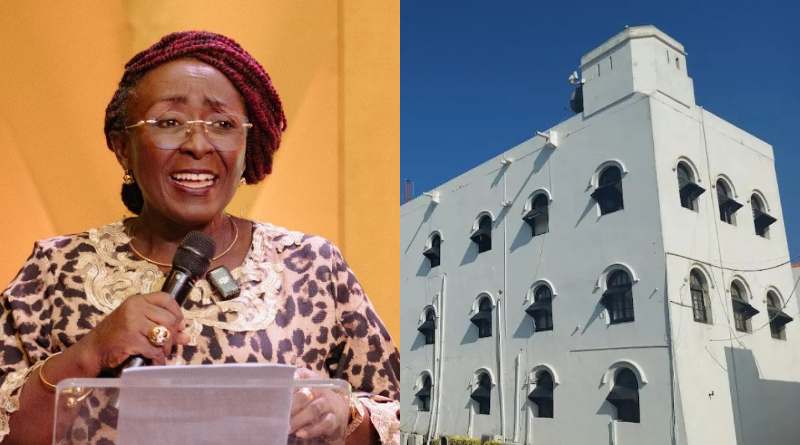
President John Dramani Mahama has announced plans to repurpose the historic Osu Castle into a fully developed tourist attraction, a move expected to strengthen Ghana’s heritage tourism sector and preserve one of the country’s most significant historical landmarks.
The announcement was disclosed by the Minister of Tourism, Culture and Creative Arts, Dziffa Abla Gomashie, during an interview with Citi Eyewitness News on Tuesday, January 13. According to the Minister, preparations to transform the former seat of government are currently at the administrative stage, with documentation and procedural requirements still being finalised.

“The President has indicated that we use the Osu Castle as a tourist site, so when the paperwork is done, we will see what to do,” Minister Gomashie stated, underscoring the government’s intention to give the landmark a new purpose that aligns with Ghana’s broader tourism and cultural preservation agenda.
Also known as Fort Christiansborg, Osu Castle holds immense historical and cultural importance. Originally built by the Danes in the 17th century, the structure later served as a colonial administrative centre and, after independence, became the seat of government and residence of Ghanaian presidents until the completion of the Jubilee House. Its long history makes it a powerful symbol of Ghana’s political evolution, colonial experience, and post-independence governance.
Minister Gomashie explained that repurposing the Osu Castle is part of a deliberate strategy to protect Ghana’s heritage while creating meaningful experiences for both local and international visitors. By opening the site to the public as a tourism destination, the government hopes to promote education, cultural awareness, and national pride.
“The Osu Castle is not just a building; it is a repository of our collective memory,” the Minister noted, adding that its redevelopment will allow Ghanaians and visitors alike to engage more deeply with the country’s political and historical journey.
Tourism analysts believe the initiative could significantly enhance heritage tourism in Accra, positioning the capital as a key destination for travellers interested in African history, colonial architecture, and governance. When fully developed, the site could host guided tours, exhibitions, museums, and cultural events that highlight Ghana’s past and its path to modern democracy.
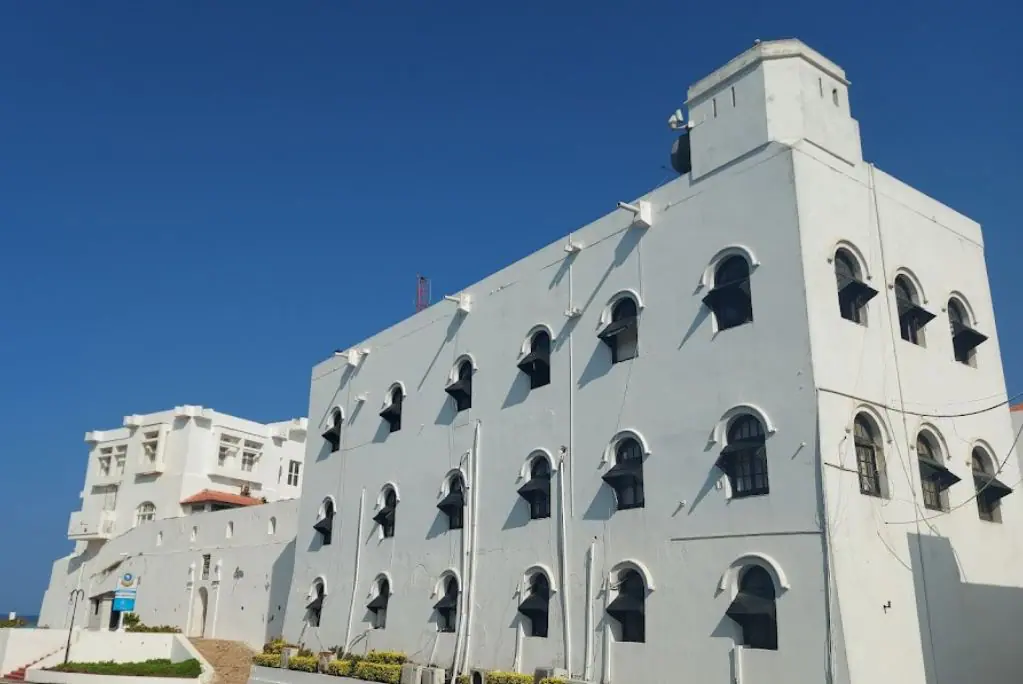
Beyond cultural value, the project is also expected to generate economic benefits. The redevelopment of Osu Castle could create jobs, stimulate local businesses, and attract increased tourist spending within the capital. It also complements existing tourism initiatives aimed at diversifying Ghana’s attractions beyond traditional leisure travel.
While specific timelines and redevelopment plans have not yet been announced, Minister Gomashie assured the public that the government remains committed to ensuring the process is handled carefully and respectfully, given the site’s national importance.
As Ghana continues to invest in its tourism and creative arts sectors, the planned transformation of Osu Castle signals a renewed focus on leveraging historic landmarks to tell Ghana’s story, preserve its heritage, and strengthen its appeal as a leading cultural tourism destination in West Africa.