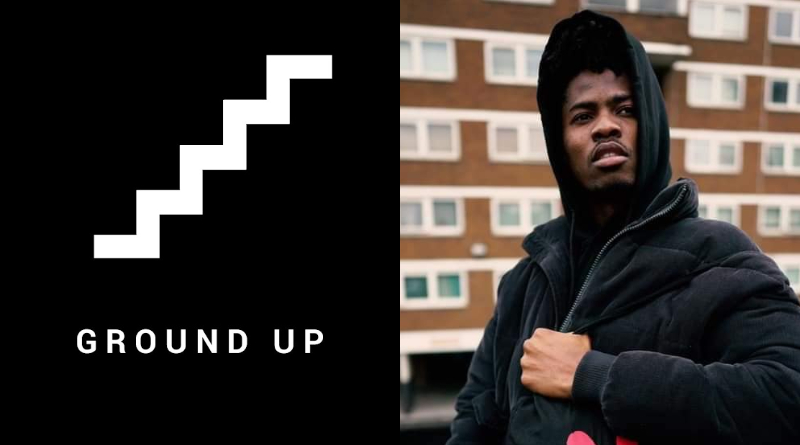
Ghanaian rapper Kwesi Arthur has intensified his public dispute with record label Ground Up Chale, issuing a strongly worded statement that highlights the growing rift between both parties and sheds more light on what he describes as a long-running and deeply personal fallout.
In a post shared on X (formerly Twitter) on Thursday, January 22, the multiple award-winning artiste asserted that he fully honoured his contractual obligations to the label and, in his view, even went beyond them in good faith.

“I lived up to the contract. I did the time. Even after it was over, I decided to work with you on Son of Jacob in good faith. I carried Ground Up Chale on my back,” Kwesi Arthur wrote in the post, signalling both frustration and a sense of betrayal.
The statement follows earlier allegations made by the rapper, in which he accused the label of demanding image rights fees amounting to $150,000 for the use of photographs of himself in connection with his current project. According to Kwesi Arthur, the label claims ownership over his image, music, and overall brand — assertions that have triggered widespread debate within Ghana’s music and entertainment industry.
His latest remarks appear to place the dispute within a broader narrative of sacrifice, loyalty, and what he perceives as exploitation. By stressing that he fulfilled his contractual duties and still chose to collaborate with the label on Son of Jacob after the expiration of his contract, the artiste positions his actions as driven by goodwill rather than legal obligation.
Industry watchers say the situation reflects a growing trend of artistes in Ghana becoming more vocal about contract terms, ownership rights, and the long-term implications of label agreements. The public nature of the disagreement has brought renewed attention to issues such as intellectual property, revenue sharing, image rights, and the balance of power between emerging artistes and established labels.
Kwesi Arthur’s rise to prominence under Ground Up Chale is widely acknowledged as one of the most successful artiste–label partnerships in recent Ghanaian music history. His breakout and subsequent success helped elevate both his personal brand and the profile of the label. This history has made the current fallout particularly significant, as it involves not just legal or financial matters, but also reputational and emotional dimensions.
Observers note that by taking the dispute to social media, Kwesi Arthur may be seeking to shape public perception while also applying pressure on the label to respond. However, such public disputes can also complicate any potential legal or private negotiations, especially if both sides decide to pursue formal remedies.
As of the time of publication, Ground Up Chale has not publicly responded to Kwesi Arthur’s most recent statement. The absence of an official response has left fans, industry stakeholders, and commentators speculating about the label’s position and whether it will address the claims directly.
With tensions escalating in the public domain, industry observers are watching closely to see whether the matter will be resolved privately, through legal channels, or continue to play out on social media. Regardless of the outcome, the dispute is already shaping broader conversations about fairness, transparency, and artiste empowerment in Ghana’s creative sector.
The unfolding saga is widely seen as a test case that could influence how future artistes negotiate contracts and assert control over their image, music, and long-term careers.