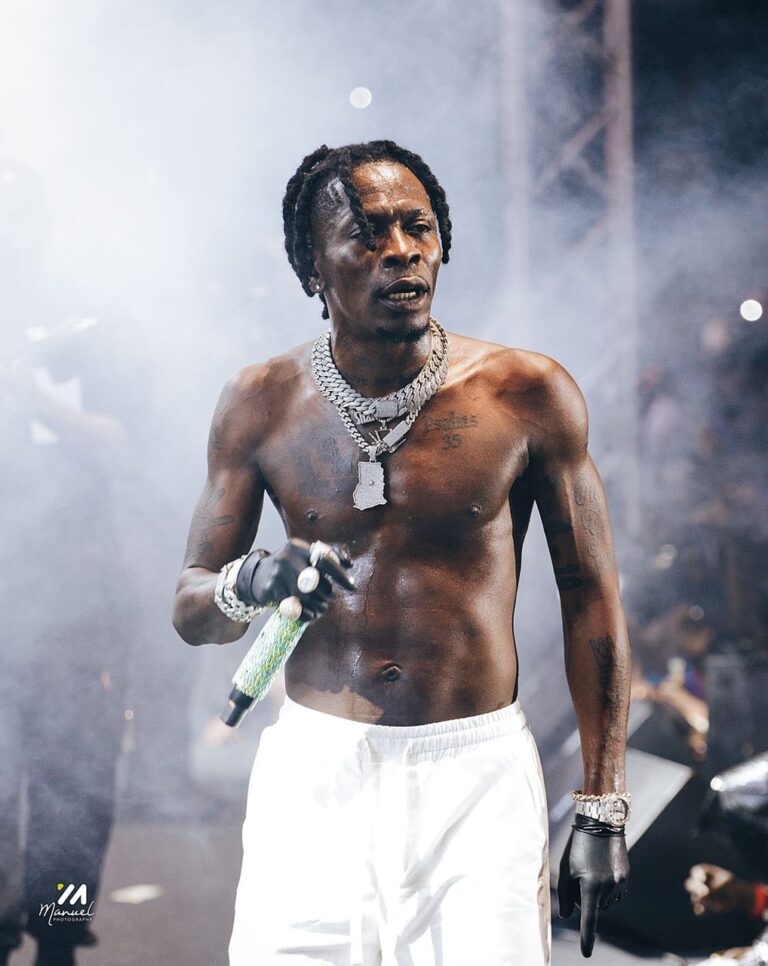

Renowned Ghanaian rapper Kwesi Arthur has publicly accused executives of his former record label, Ground Up Chale, of harassment, unlawful claims over his image and music, and attempts to block his independent releases.
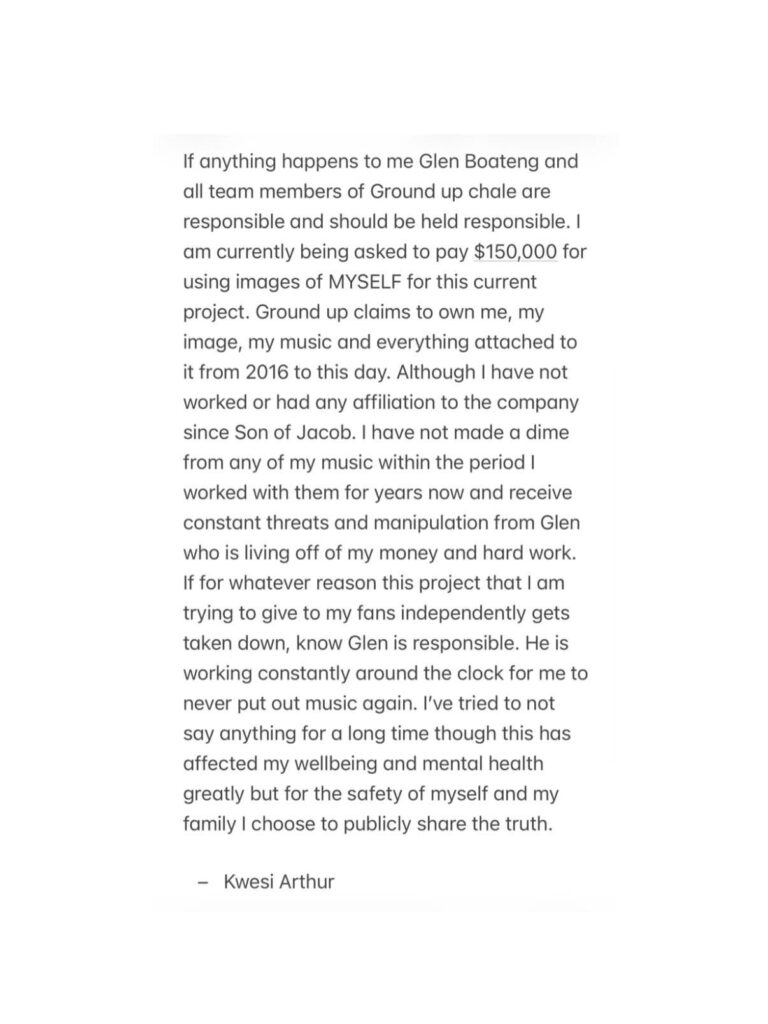
In a statement posted on X (formerly Twitter) on Wednesday, January 21, the multiple award-winning artiste alleged that the label is demanding $150,000 from him for using images of himself in a current project. The rapper described the demand as part of what he called years of intimidation and manipulation following the breakdown of his professional relationship with the label.
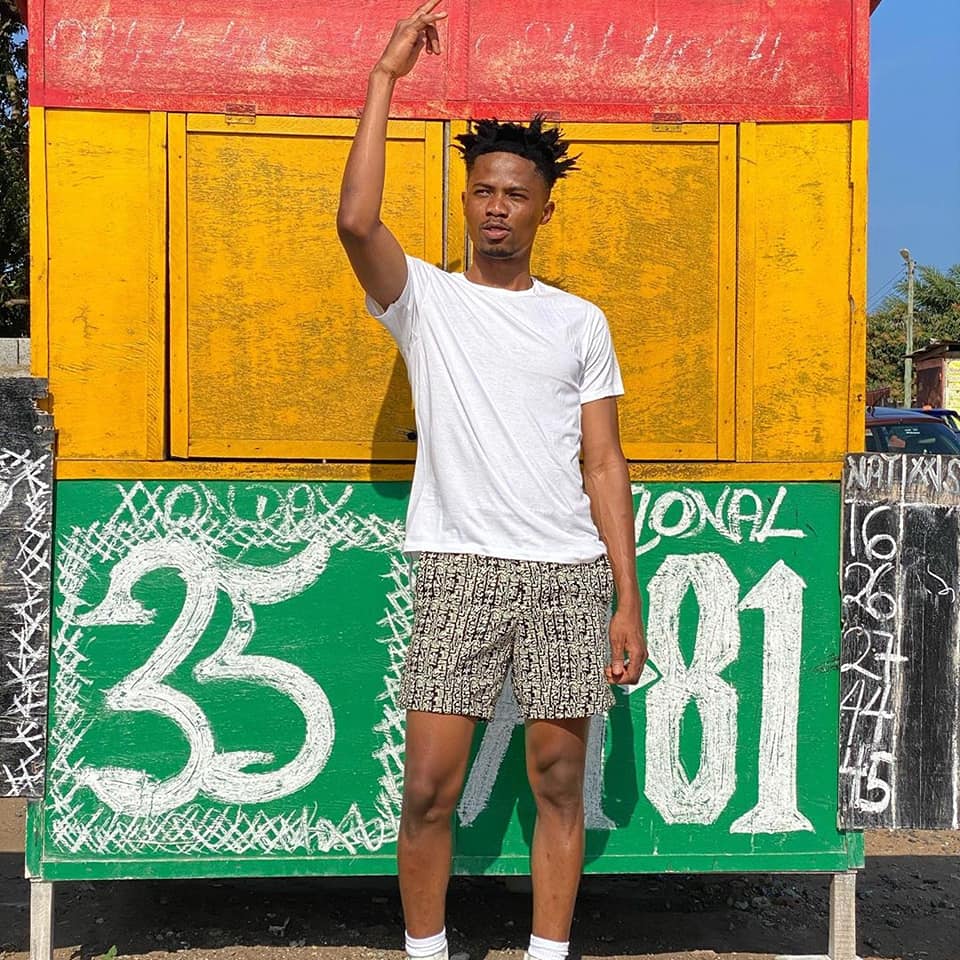
In the post, Kwesi Arthur specifically named Glen Boateng and other members of the Ground Up Chale team, stating that they should be “held responsible” if any harm comes to him. His remarks raised serious concerns among fans and industry observers, particularly due to the tone of fear and distress expressed in his message.
According to Kwesi Arthur, the label is claiming ownership over “my image, my music and everything attached to it from 2016 to this day,” despite what he says has been no working relationship since the release of his Son of Jacob project. The rapper maintains that the professional relationship effectively ended after that release, making the label’s continued claims unjustified.
The artiste further alleged that during his time under the label, he did not earn any meaningful income from his music. He claimed he was subjected to “constant threats and manipulation,” which he says have affected both his career and personal life. These allegations add to growing conversations within Ghana’s music industry about artiste rights, transparency in contracts, and fair compensation.
Kwesi Arthur also accused Glen Boateng of deliberately working to prevent him from releasing music independently. He warned fans that if any takedown of his current project occurs, it should be attributed to actions taken by the Ground Up Chale executive. This claim has heightened concerns that the dispute could directly impact his ability to distribute new music to his audience.
Explaining why he chose to go public, Kwesi Arthur said his decision was driven by concerns for his safety and that of his family. He revealed that the prolonged dispute has taken a serious toll on his mental health and overall wellbeing.
“I’ve tried to not say anything for a long time,” he wrote, “though this has affected my wellbeing and mental health greatly.” His statement has sparked widespread reactions on social media, with many fans and fellow artistes expressing support and calling for greater protection of creatives in the industry.
Kwesi Arthur rose to prominence under Ground Up Chale and became one of Ghana’s most influential hip-hop voices, earning multiple awards and international recognition. His success story has often been cited as a major achievement for the label, making the public nature of this dispute particularly significant.

At the time of publication, neither Ground Up Chale nor Glen Boateng had publicly responded to the allegations. Additionally, Kwesi Arthur did not provide documents or legal evidence in his post to support his claims.
Industry analysts say the dispute highlights longstanding issues in the Ghanaian music business, including contract disputes, ownership of intellectual property, and the power imbalance between emerging artistes and established labels. Many observers believe the outcome of this situation could have wider implications for how record deals and artiste rights are handled in the future.
For now, fans await an official response from Ground Up Chale, as well as any possible legal action that may arise from the escalating conflict.