
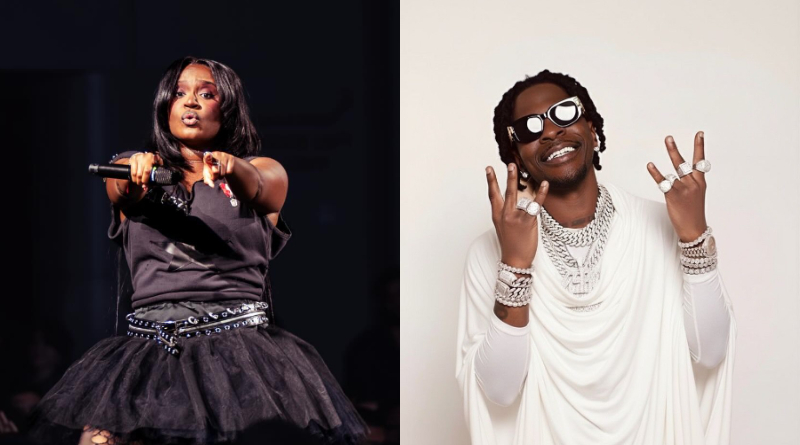
Ghanaian-American singer Amaarae has opened up about her unsuccessful attempts to collaborate with dancehall heavyweight Shatta Wale, revealing that despite repeated efforts, the much-anticipated musical partnership never materialised.
Speaking in an interview on the Sincerely Accra Podcast, monitored by One King Multimedia on Tuesday, January 20, Amaarae shared details of her behind-the-scenes efforts to secure a collaboration with the controversial but influential dancehall star.
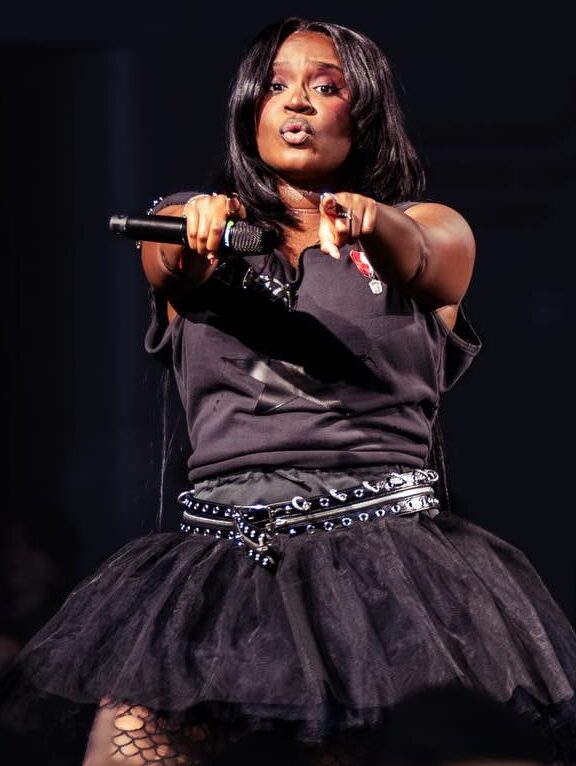
According to the singer, she made numerous attempts to get Shatta Wale’s attention through social media, sending him more than 50 direct messages before finally receiving a response.
“I DMed Shatta Wale like 50 times, and he only replied to my DM a few days ago,” Amaarae said during the interview.
Amaarae explained that her intention was to record a new song with Shatta Wale while she was in Ghana. The singer, known for her genre-bending sound and global appeal, said she was excited about the creative possibilities that could come from blending her alternative Afrobeats style with Shatta Wale’s signature dancehall energy.
“I really wanted to see what that collaboration would sound like,” she noted, adding that she was genuinely curious about how their distinct musical styles could merge into something fresh and unexpected.
However, the delayed response from Shatta Wale meant that the timing no longer worked in their favour. By the time communication was established, Amaarae’s schedule had shifted, and the opportunity to record together during her stay in Ghana had passed.
“The timing just didn’t align anymore, so the record didn’t happen,” she explained.
Amaarae’s revelation has sparked conversations among music fans and industry observers, many of whom believe a collaboration between the two artistes could have been a major moment for Ghanaian music on the global stage. Both artistes command strong fan bases locally and internationally, and a joint project would likely have attracted widespread attention.
The singer’s comments also highlight broader challenges within the music industry, particularly when it comes to communication, accessibility, and coordination between artistes — even those at the top of their game. Amaarae’s persistence underscores her respect for Shatta Wale’s influence, while the missed opportunity points to how logistical delays can affect creative outcomes.
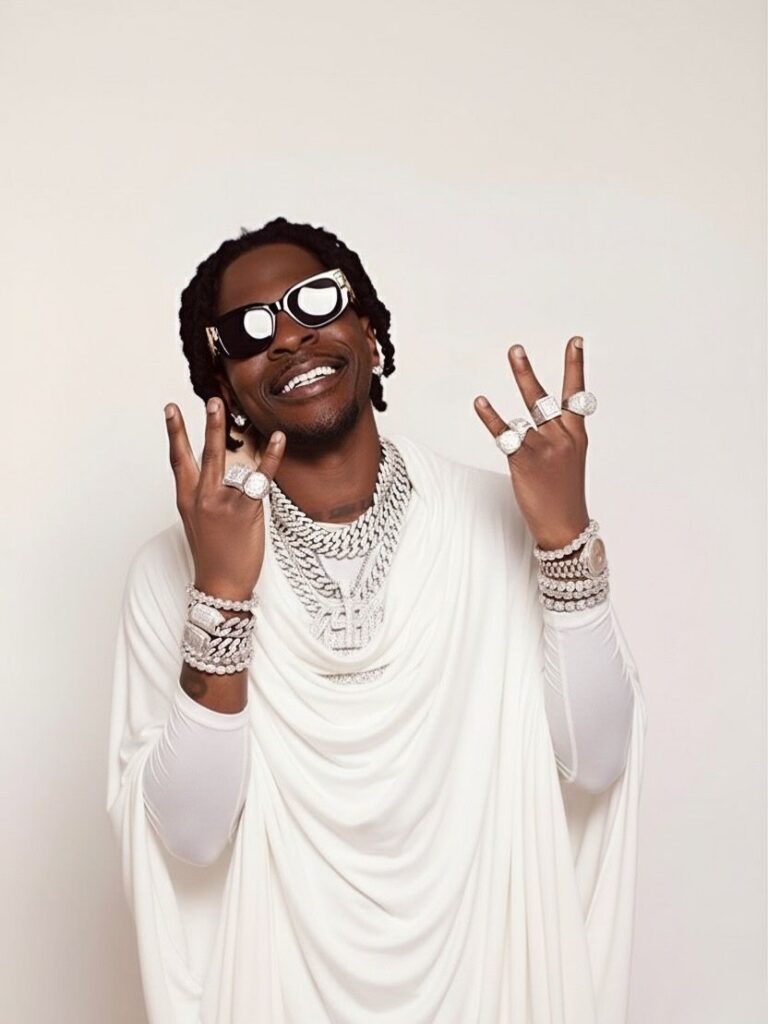
Despite the setback, Amaarae did not express bitterness over the situation. Instead, she appeared reflective, treating the experience as part of the realities of navigating collaborations in a fast-moving industry.
Amaarae has continued to gain international recognition for her unique sound and bold artistic identity, while Shatta Wale remains one of Ghana’s most dominant and outspoken music figures. Although the collaboration did not happen this time, fans remain hopeful that the two artistes could still work together in the future.
For now, the story offers a rare glimpse into the behind-the-scenes efforts that often go unseen, reminding audiences that even highly anticipated collaborations sometimes fall through — not for lack of interest, but because of timing.