|
Getting your Trinity Audio player ready...
|
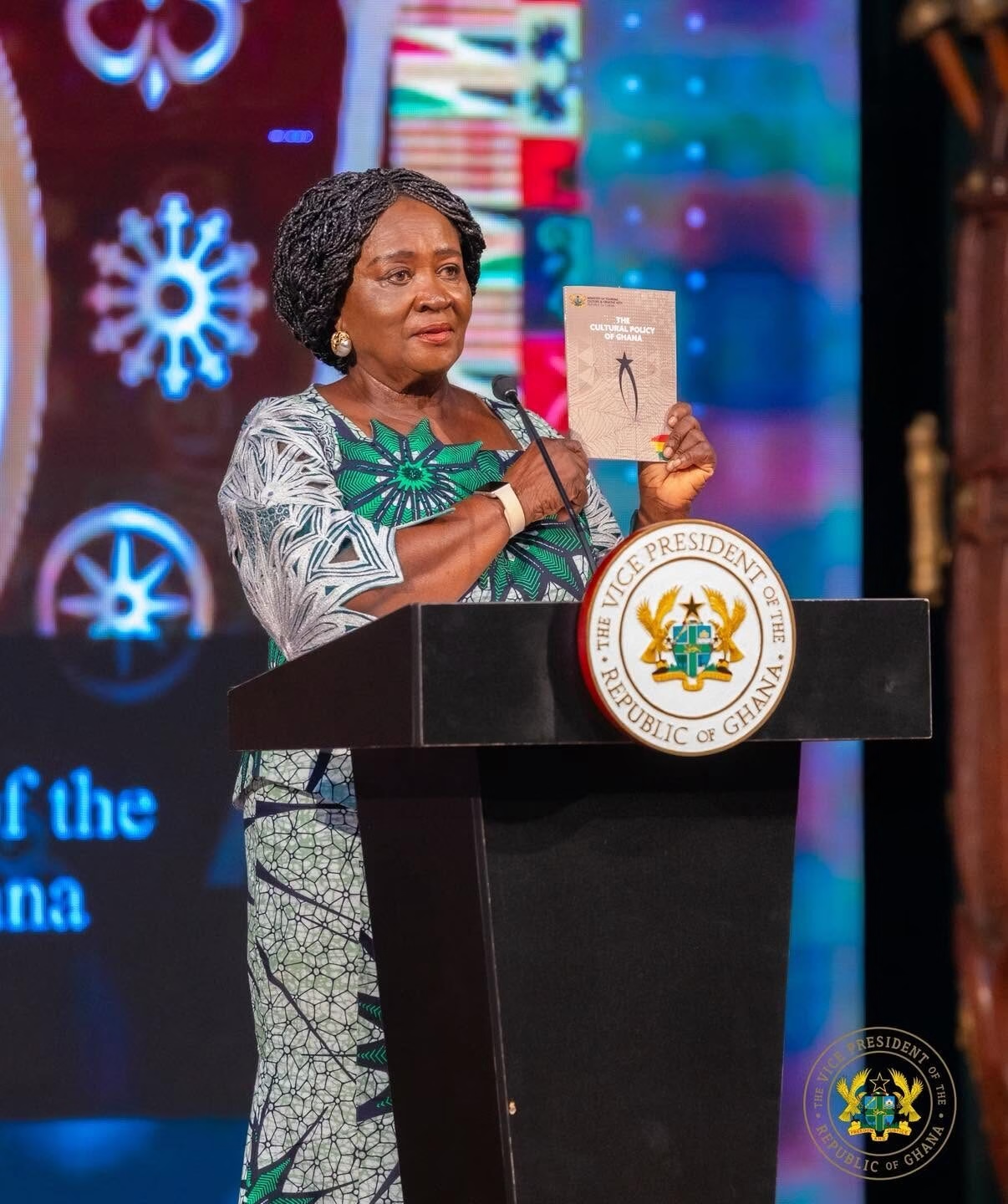
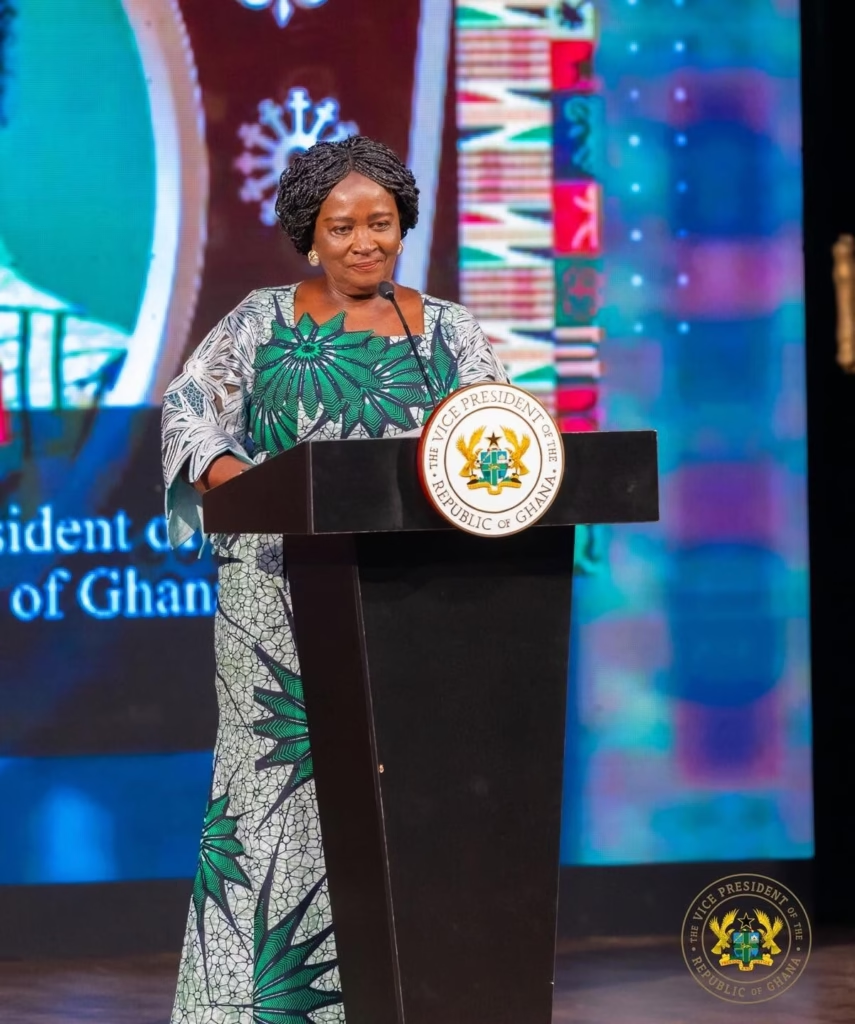
Vice President Prof. Jane Naana Opoku-Agyemang has officially launched Ghana’s revised Cultural Policy, marking a significant milestone in the country’s efforts to preserve its rich cultural heritage while positioning the creative sector as a major driver of economic growth and national development.
The launch ceremony took place on June 8, 2026, at the National Theatre in Accra and brought together government officials, cultural stakeholders, creative industry players, and traditional leaders.
The newly introduced policy replaces the previous Cultural Policy, which was published in 2004, and provides a modern framework designed to respond to contemporary challenges and opportunities within Ghana’s cultural and creative industries.
The revised policy aligns with the United Nations Sustainable Development Goals (SDGs) and the African Union’s Agenda 2063, recognising culture as an important pillar for sustainable development, social transformation, innovation, and economic empowerment.
Addressing guests at the launch, Vice President Prof. Opoku-Agyemang called for collective efforts from government institutions, traditional authorities, young people, the Ghanaian diaspora, and stakeholders within the cultural and creative sectors to ensure the successful implementation of the policy.
“Let this launch mark the start of a bold chapter in Ghana’s cultural journey. Let us come together—government, traditional authorities, the youth, and the diaspora—to unlock the full potential of culture and creativity,” she said.
She stressed that Ghana must draw strength from its heritage while creating new opportunities through innovation and projecting the nation’s cultural identity confidently on the global stage.
Minister for Tourism, Culture and Creative Arts, Abla Dzifa Gomashie, noted that the revised policy was the result of seven years of extensive consultations with stakeholders across the country. She explained that the framework seeks to support creative entrepreneurs, attract cultural investments, and integrate culture more effectively into national planning.
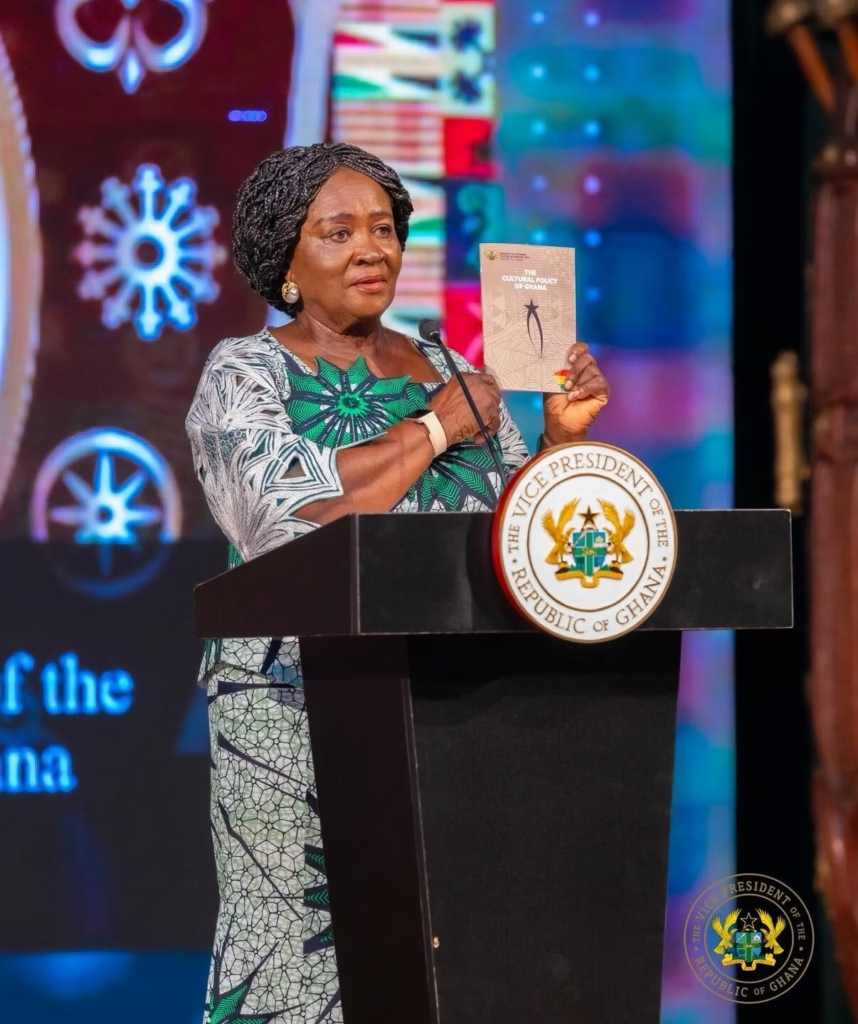
The Cultural Policy covers key areas including heritage preservation, culture and society, governance, the role of culture in the economy, technology and digital transformation, as well as implementation and regulatory structures.
The launch reaffirms Ghana’s commitment to using its cultural assets as tools for sustainable development, job creation, economic growth, and stronger international cultural engagement.
With Ghana’s creative economy continuing to expand, the new policy is expected to provide a clearer roadmap for artists, cultural institutions, investors, and policymakers to harness the sector’s full potential and contribute meaningfully to the country’s future development.