
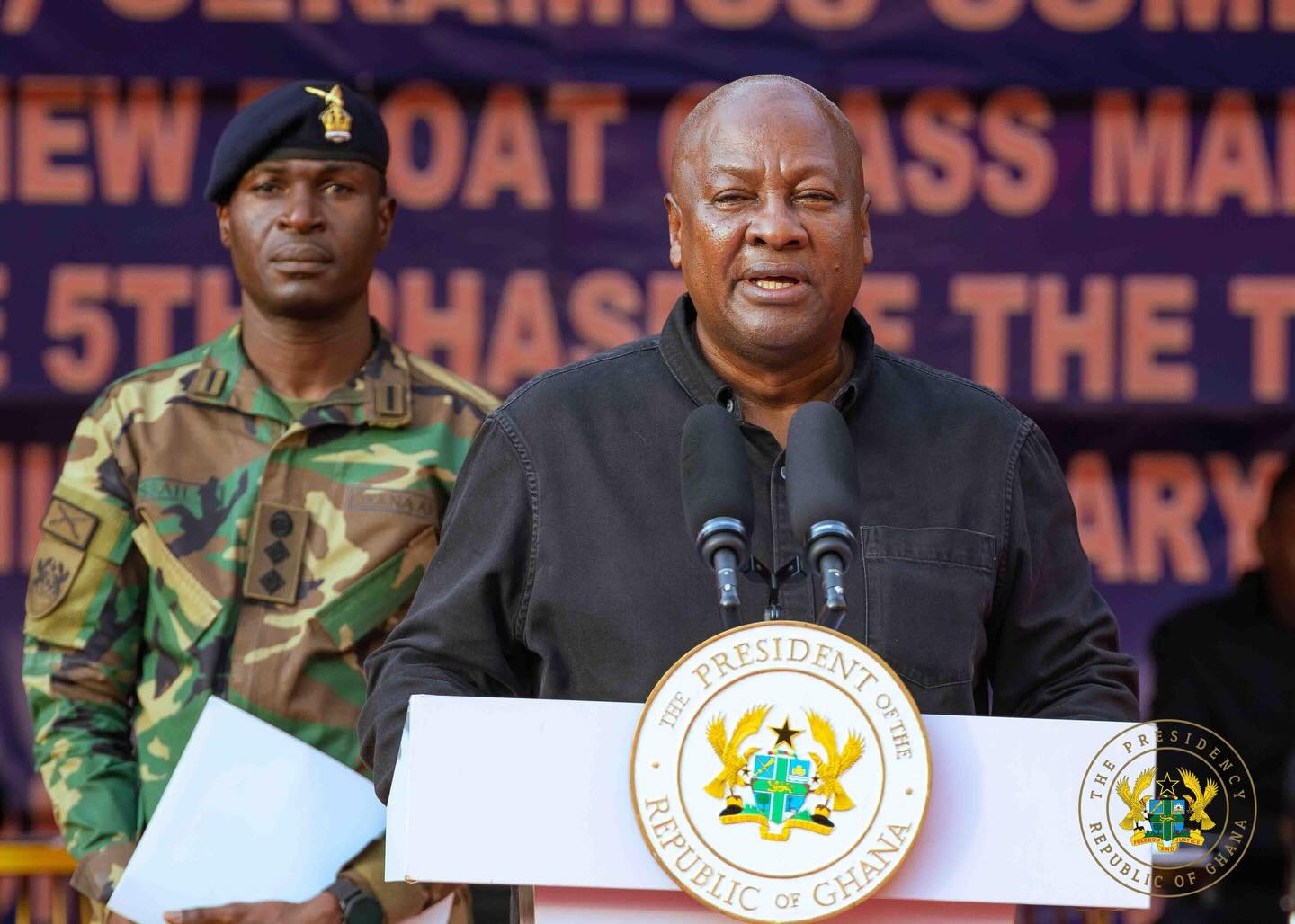
President John Dramani Mahama has directed the temporary suspension of selected fuel taxes and pricing margins in a bid to reduce pump prices, following an emergency Cabinet meeting convened in response to rising global fuel costs.
The decision was announced by Felix Kwakye Ofosu, who disclosed that the directive mandates the Ministers of Finance and Energy to ensure a reduction in fuel prices in the next pricing window.
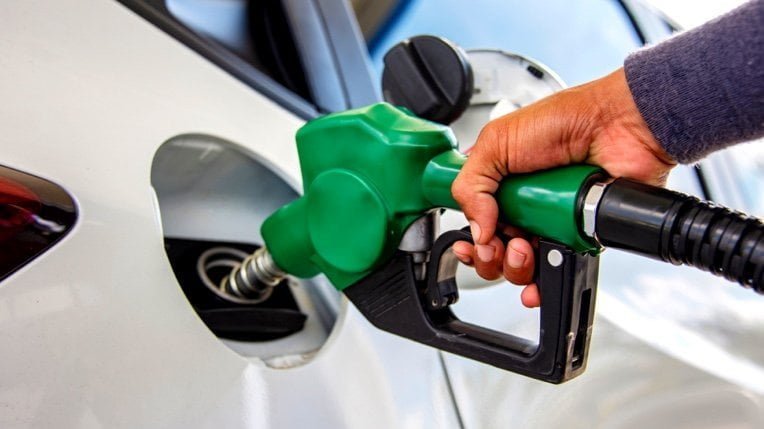
According to the government, the suspension will remain in effect for four weeks, with the possibility of a review depending on developments in the Middle East and movements in global crude oil prices. Authorities say further details regarding the specific taxes and margins to be affected will be communicated in the upcoming pricing cycle.
The move comes at a time when fuel prices in Ghana have been steadily rising, largely driven by increasing global oil prices and geopolitical tensions in the Middle East. These developments have significantly impacted transport fares and the general cost of living, placing additional pressure on households and businesses.
In addition to the tax relief, Cabinet has directed the Minister for Transport to fast-track the deployment of 100 Metro Mass Transit buses to help cushion commuters. The buses are expected to operate along busy routes, offering more affordable fares compared to private transport operators.
Government also reiterated an earlier directive requiring all ministers and senior appointees to comply strictly with the cancellation of fuel allocations and allowances, as part of broader efforts to cut public expenditure and demonstrate fiscal discipline.

The intervention follows growing concerns from transport operators, traders, and the general public over the continuous rise in fuel prices and its ripple effects across the economy. Increased transport costs have contributed to higher prices of goods and services, further straining already tight household budgets.
Analysts say the temporary suspension of fuel taxes could offer short-term relief, but caution that global oil market trends remain a key determinant of local fuel pricing. As such, the effectiveness of the measure will largely depend on how international prices evolve in the coming weeks.
The government has indicated that it will continue to monitor the situation closely and take additional steps if necessary to stabilise prices and protect consumers from further economic hardship.