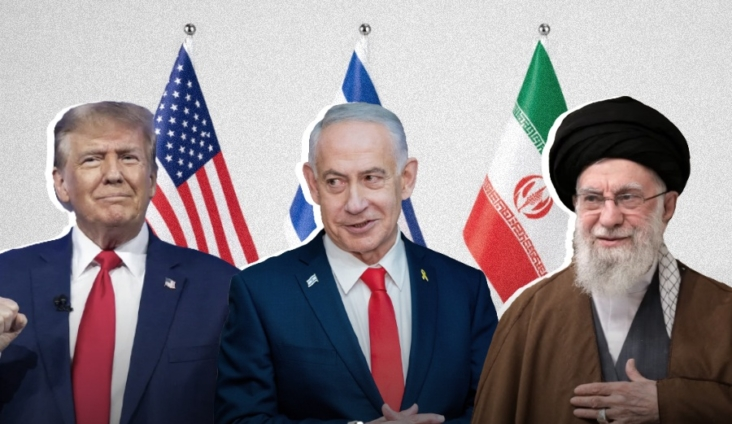
President Donald Trump has claimed that Iran’s Supreme Leader, Ali Khamenei, is dead following a large-scale joint military operation carried out by the United States and Israel against targets inside Iran.
In a post on Truth Social, President Trump stated that Khamenei had been killed during coordinated strikes, describing the operation as a decisive blow against what he called the Iranian regime’s leadership. He said advanced U.S. intelligence and tracking systems were used in close coordination with Israel.
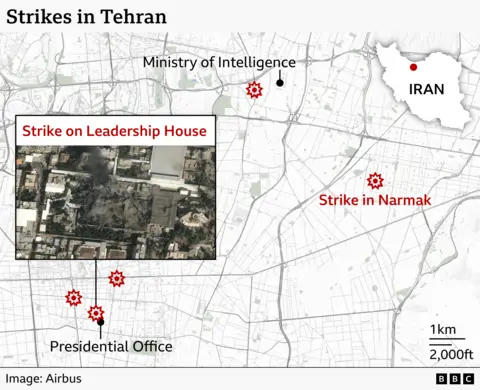
Earlier, Israeli Prime Minister Benjamin Netanyahu announced that Israeli forces had carried out what he described as a “powerful, surprise strike” on Khamenei’s leadership compound in Tehran. Netanyahu said the compound had been destroyed and suggested there were “many signs” the Iranian leader was no longer alive.
However, Iranian authorities have not confirmed Khamenei’s death. Iranian state media reported that the Supreme Leader remains “steadfast and firm in commanding the field.” A spokesperson for Iran’s foreign ministry declined to confirm his condition, saying officials were not in a position to provide details.
The strikes reportedly targeted key military and security installations, including missile launch facilities, air defence systems, and command-and-control centres. The U.S. military’s United States Central Command said the operation was aimed at dismantling infrastructure that posed what it described as imminent threats to U.S. forces and regional allies.
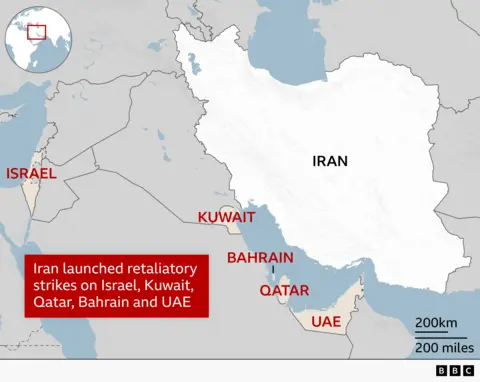
In response, Iran launched missiles and drones toward Israeli territory and several Gulf states hosting American military bases, including Bahrain, Kuwait, Qatar, and the United Arab Emirates. Iran’s powerful paramilitary force, the Islamic Revolutionary Guard Corps (IRGC), said it had struck multiple targets and warned of further retaliation.
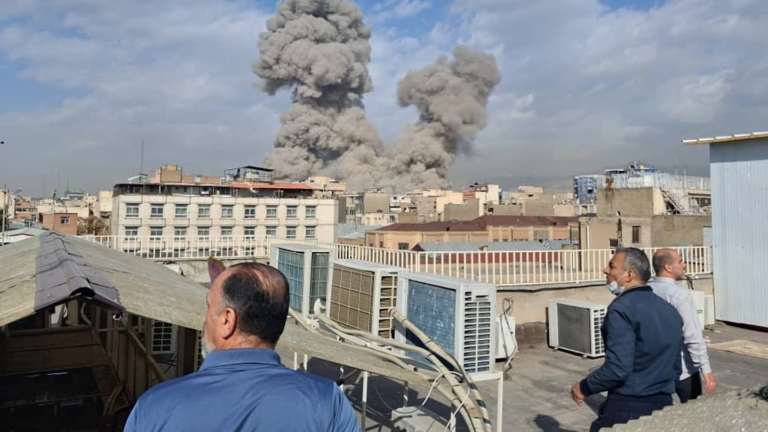
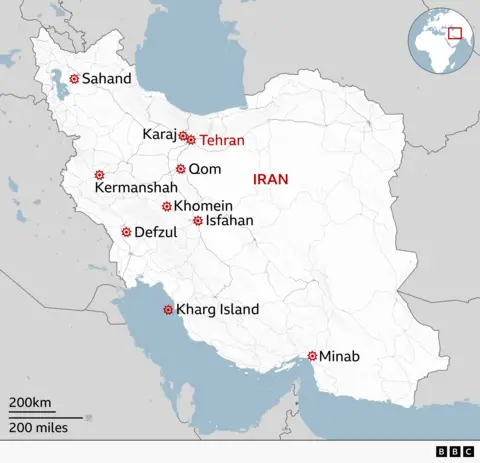
Explosions were reported across several Iranian cities, including Tehran, Isfahan, Qom, and Kermanshah. Images circulating online showed plumes of smoke rising over parts of the capital. Iranian authorities also reported casualties, though independent verification of the figures has been limited due to communications disruptions and restricted access.
Iran’s Civil Aviation Organisation closed the country’s airspace until further notice. Several regional governments imposed airspace restrictions as a precaution, while major international airlines suspended or rerouted flights across the Middle East.
President Trump defended the operation, saying it was necessary to protect American lives and prevent Iran from advancing its missile and nuclear capabilities. He reiterated that the United States would not allow Iran to acquire nuclear weapons, a longstanding position of his administration.
Iranian officials condemned the strikes as “illegal and unprovoked,” accusing both the United States and Israel of escalating tensions and destabilising the region. They vowed what they called a “crushing response.”
The situation remains highly volatile, with fears of a broader regional conflict growing as both sides exchange threats and military actions. International leaders have called for restraint, warning that further escalation could have severe global consequences, particularly for energy markets and regional security.
As of now, there is no independent confirmation of Ayatollah Khamenei’s reported death, and developments continue to unfold rapidly.