
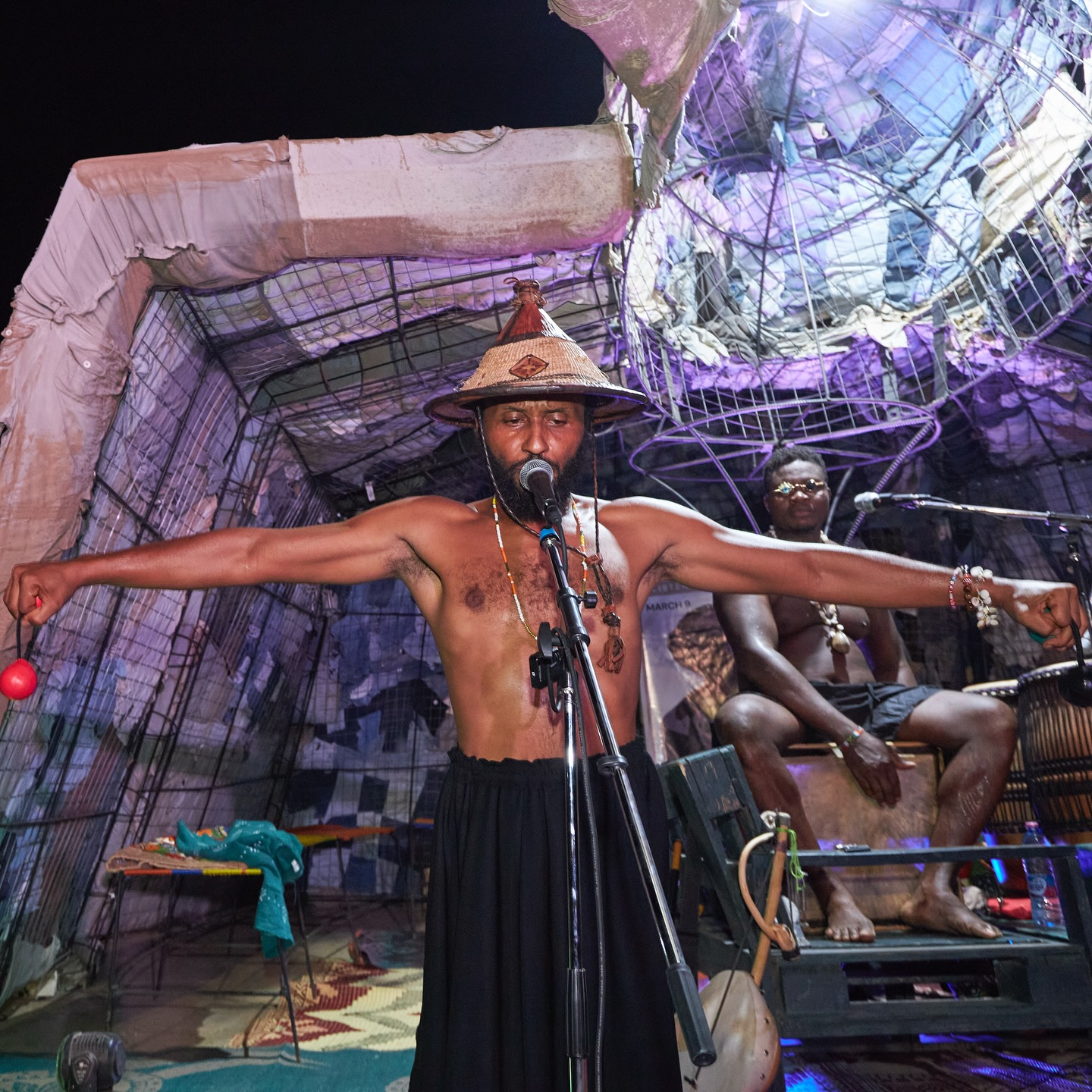
Ghanaian musician and social commentator Wanlov Kubolor has criticised Ghana’s public institutions, arguing that they condition individuals in positions of authority to avoid accountability and disregard empathy.
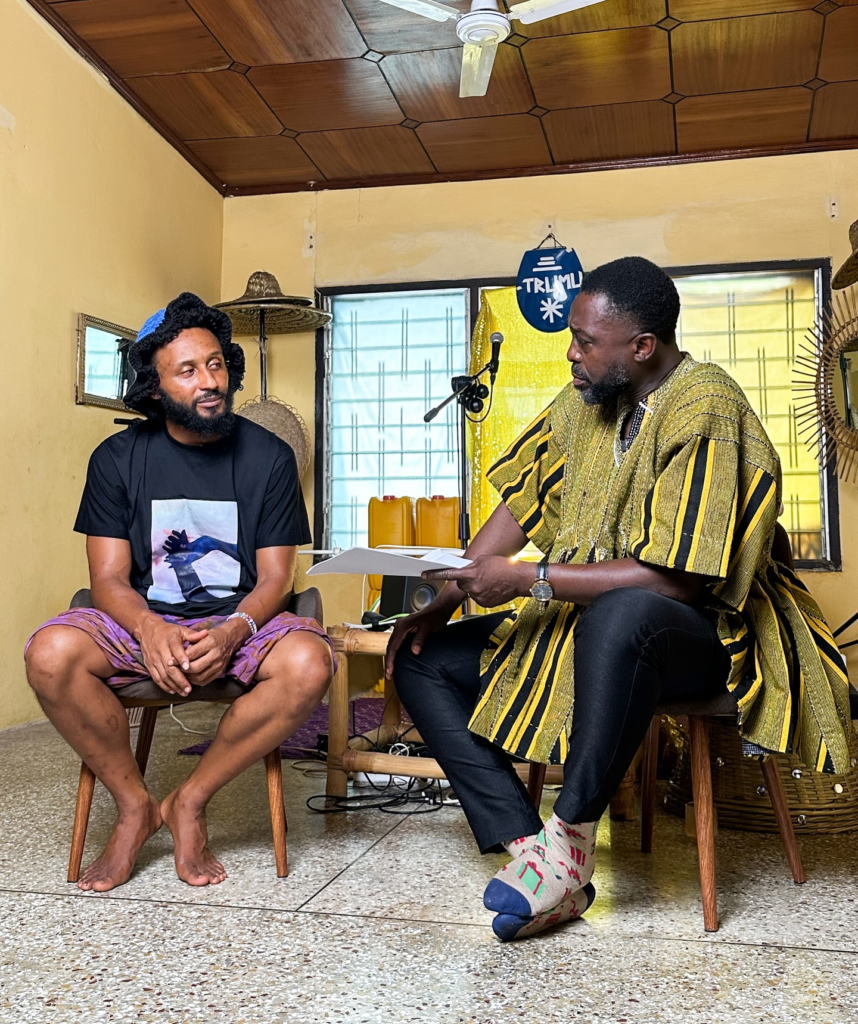
Kubolor made the remarks during an interview with broadcaster Kafui Dey, which was shared on Dey’s Instagram page on Wednesday, February 25. The outspoken artiste used a personal family experience to illustrate what he described as systemic issues within the country’s institutions.
Speaking on the themes of power and responsibility, Kubolor recounted a story involving his sister, Rosemary, who is now a midwife at Keta Hospital. According to him, while she was a student at a senior high school in the mountainous area of Mampong, she paid GHS35 in her first year for a compulsory school sweater but never received it throughout her three years at the institution.
“For the three years she was there, she never got the school sweater,” Kubolor said. “But anytime she wore a different sweater, they would punish her.”
He explained that repeated attempts to inquire about the missing sweater were ignored by school authorities. “Anytime she asked for her school sweater, ‘How far?’, there was no response,” he added.
For Kubolor, the incident represented more than just a missing uniform item. He argued that it reflects a broader pattern of unaccountability embedded within public institutions.
“The biggest lesson is that if you’re in a position of power, you don’t have to be accountable,” he said. “You don’t have to stick to your word.”
The musician suggested that such experiences are not isolated cases but part of a larger systemic problem. According to him, institutions subtly shape individuals to adopt what he described as a “wicked mind” once they assume positions of authority.
“I feel like a lot is definitely designed,” Kubolor stated. “We are moulded in these institutions to have some kind of wicked mind.”
Describing what he perceives as ingrained behaviour within official spaces, he added: “If you’re in an official office and someone is asking for help, just say no. No because it’s years of wickedness ingrained in the system.”
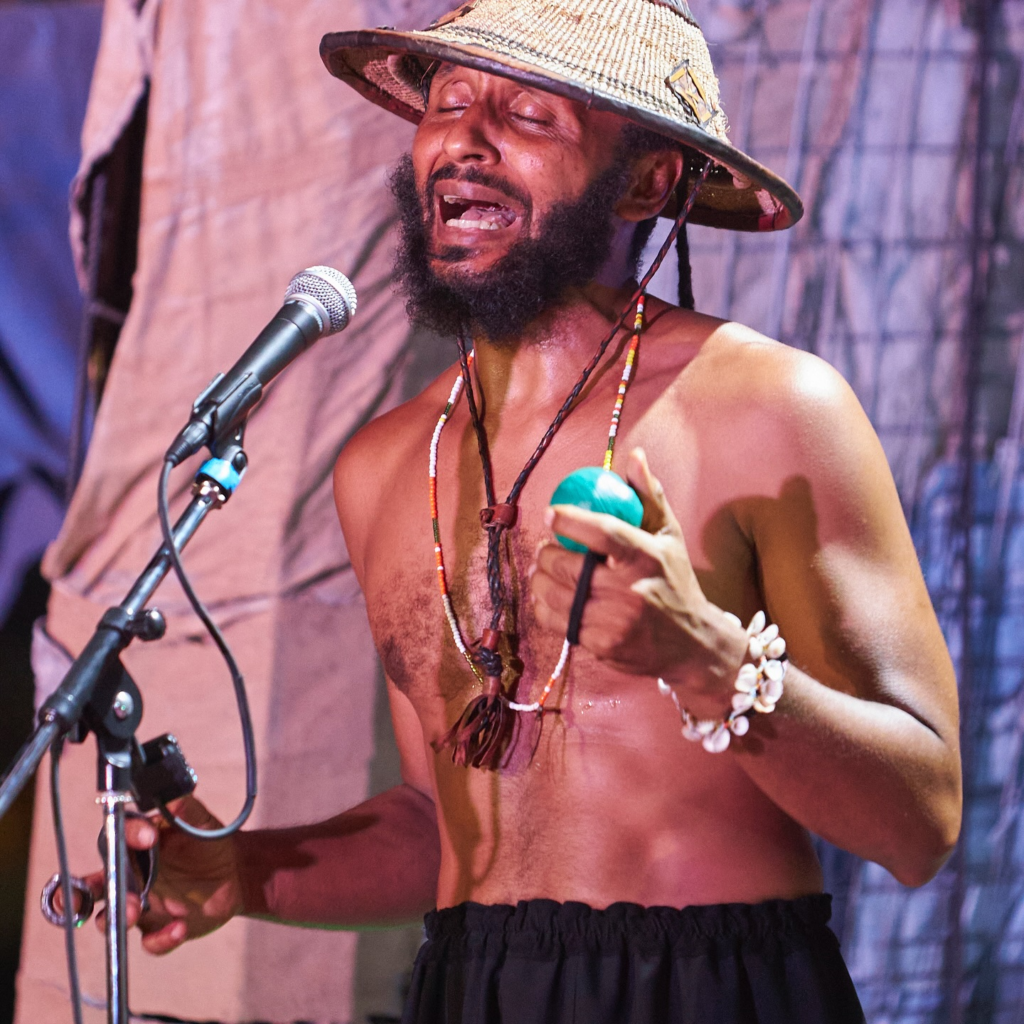
Kubolor’s comments have since sparked conversations on social media, with many users sharing similar stories of unresponsiveness and lack of accountability within schools and public offices across the country. Others, however, argue that while systemic challenges exist, there are also dedicated public servants working to improve standards.
Known for his candid opinions on governance, culture, and social justice, Wanlov Kubolor has consistently used his platform to question authority and provoke dialogue. His latest remarks add to ongoing national discussions about institutional reform, transparency, and the responsibilities that come with power.
As the debate continues online, Kubolor’s comments have once again highlighted the tension between citizens’ expectations of public service and their lived experiences within Ghana’s institutional structures.