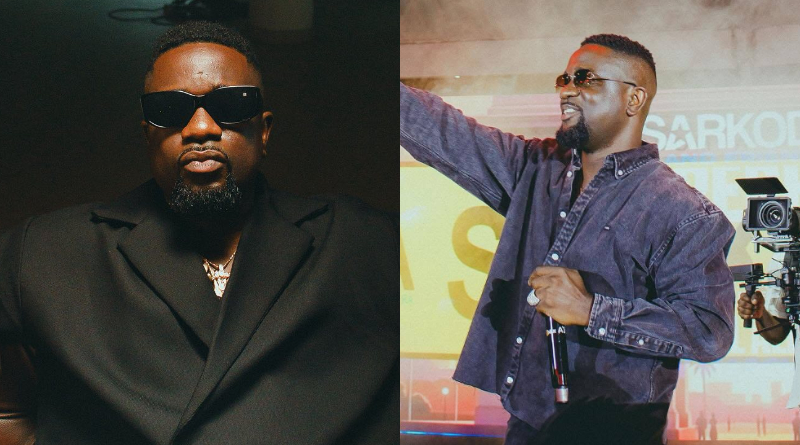
Award-winning Ghanaian rapper Sarkodie has opened up about his decision to rap predominantly in Twi, insisting that music transcends language barriers and resonates beyond words.
Speaking in an interview with The Voice ahead of the UK edition of his Rapperholic concert, the rapper reflected on sharing international stages with global stars such as T-Pain, Giggs, Idris Elba and Miguel. According to him, those cross-cultural experiences reaffirmed his belief that music is a universal language.
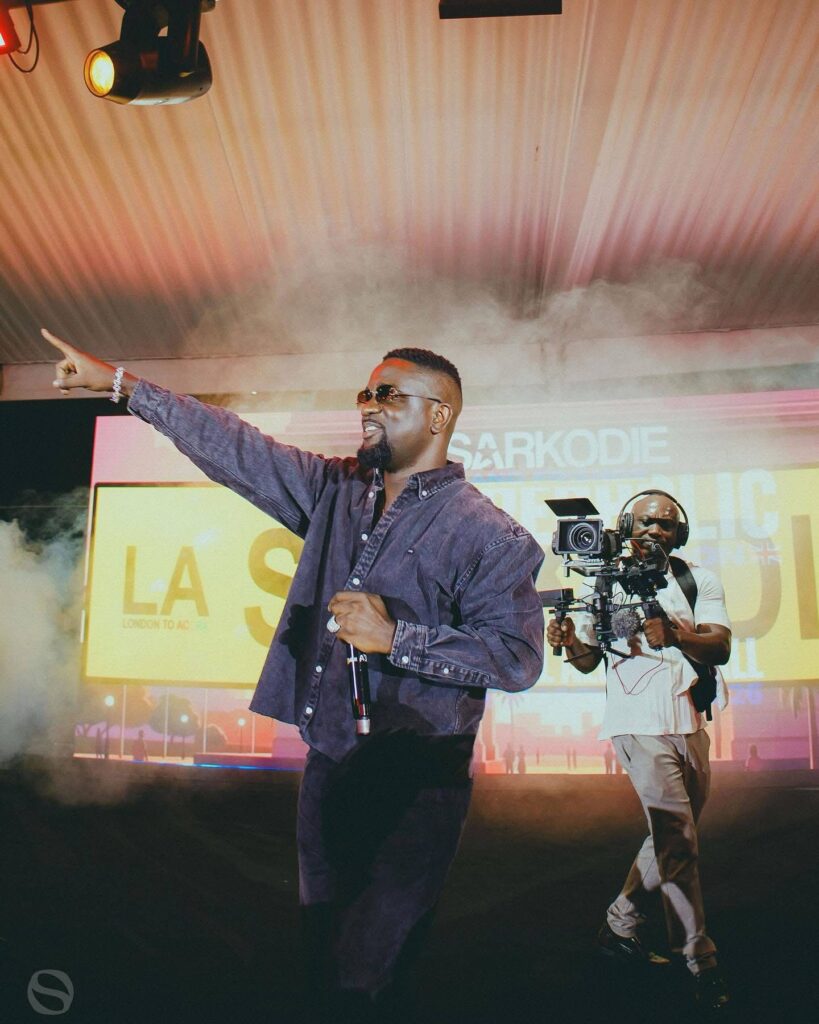
“Music is the language,” Sarkodie said, noting that the phrase has long appeared in his social media biography.
Sarkodie revealed that early in his career, he made a conscious decision not to switch to English simply to appeal to international audiences.
“I wasn’t willing to rap in English because then there wouldn’t be any difference. I wanted to hear my native tongue on big radio stations outside Ghana — and I was able to do that,” he stated.
For the rapper, staying true to his roots was more important than conforming to global expectations.
Sarkodie emphasised that the technical foundation of music goes beyond vocabulary. In his view, what truly matters is quality and delivery.
“The technical bit of music is that music is music. It just has to be very good,” he explained.
He pointed out that audiences frequently connect with songs even when they do not understand the lyrics. The rapper admitted that some of his favourite artistes perform in languages he does not fully understand.
“Some of my favourite artistes — I have no idea what they’re saying, but I still love the music,” he said.
He added that many Ghanaians grew up listening to American rappers such as Eminem and Busta Rhymes without fully grasping their lyrics, yet still appreciated their artistry.
“Back home, we listened to Eminem and Busta Rhymes. Even though it was English, most people didn’t understand what they were saying. But it was very good,” he noted.
He also referenced Jamaican music, which enjoys global popularity despite its distinct patois.
For Sarkodie, emotional delivery and presentation matter more than linguistic comprehension.
“If the music is very good, you’re definitely going to find the right ears for it. You have to present it in a way that makes it pleasant for the listener. They have to feel it almost beyond what they’re hearing,” he said.
He acknowledged that language differences may cause an artiste to lose part of an audience, but believes that authenticity and emotion bridge the gap.
“You’re going to lose something regardless. You just have to choose what you want to lose,” he added.
Drawing comparisons, Sarkodie mentioned American rapper J. Cole, whose lyrical depth may not fully resonate with listeners in rural Ghana. Likewise, while audiences in the United States or the United Kingdom may not understand his Twi lyrics, they can still connect with the energy and sound.
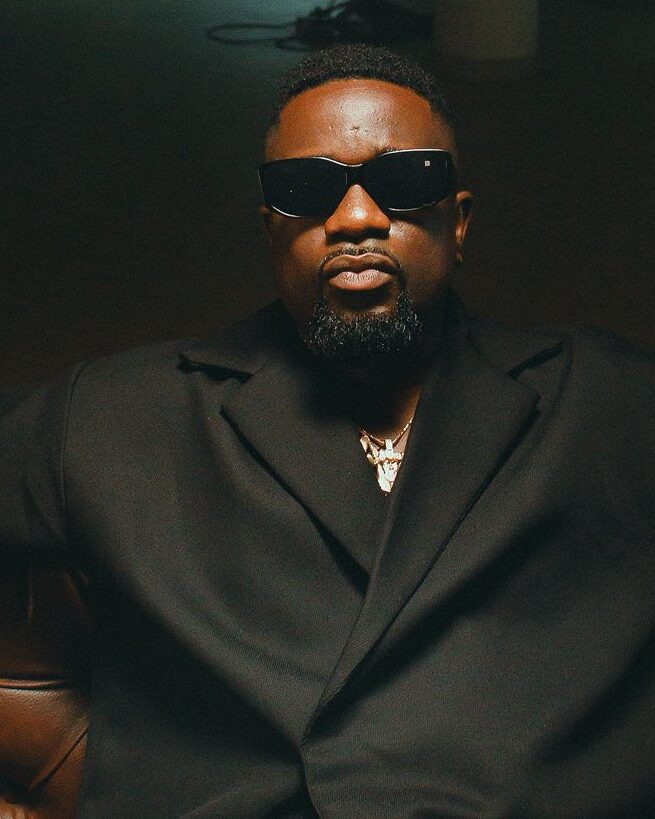
“Ashantis will understand what I’m saying. America and the UK might not get the words, but they can feel the music,” he explained.
According to Sarkodie, this philosophy has paved the way for collaborations with global figures such as Idris Elba and Giggs, as well as performances alongside Miguel and T-Pain.
He attributes these international opportunities not to language adaptation, but to the quality, consistency and universality of his craft.
For Sarkodie, the message is clear: music does not need translation when it is powerful enough to be felt.