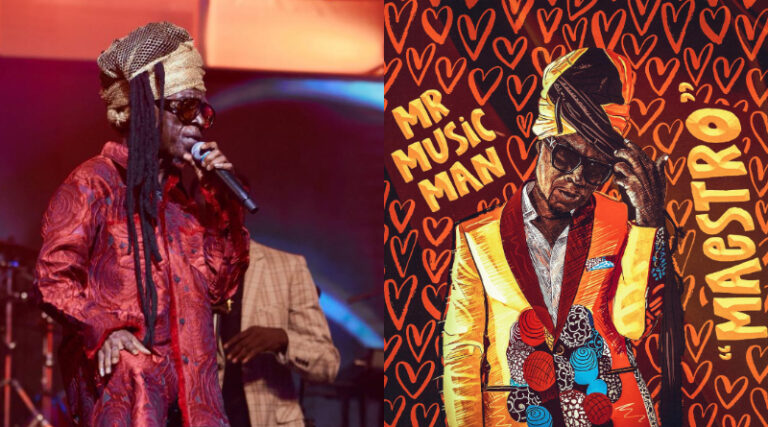
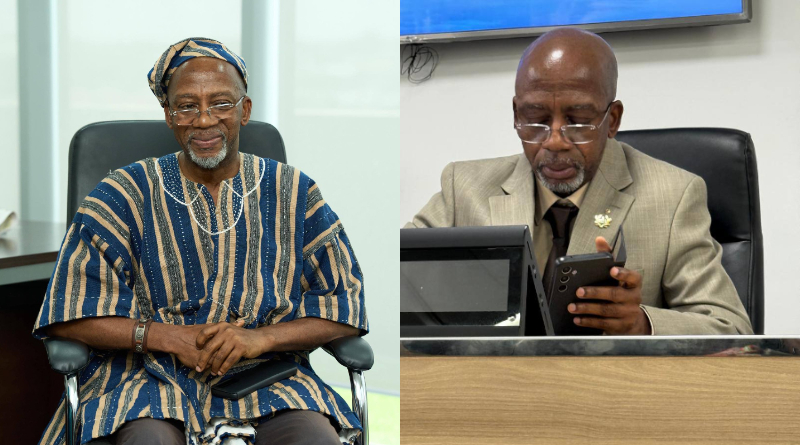
Rex Omar, Board Chairman of the Ghana Music Rights Organisation (GHAMRO), has expressed deep concerns about what he describes as Ghana’s weak commitment to strengthening its intellectual property (IP) ecosystem.
According to the veteran highlife musician, the country is yet to fully recognise and harness the enormous economic potential of its creative sector.
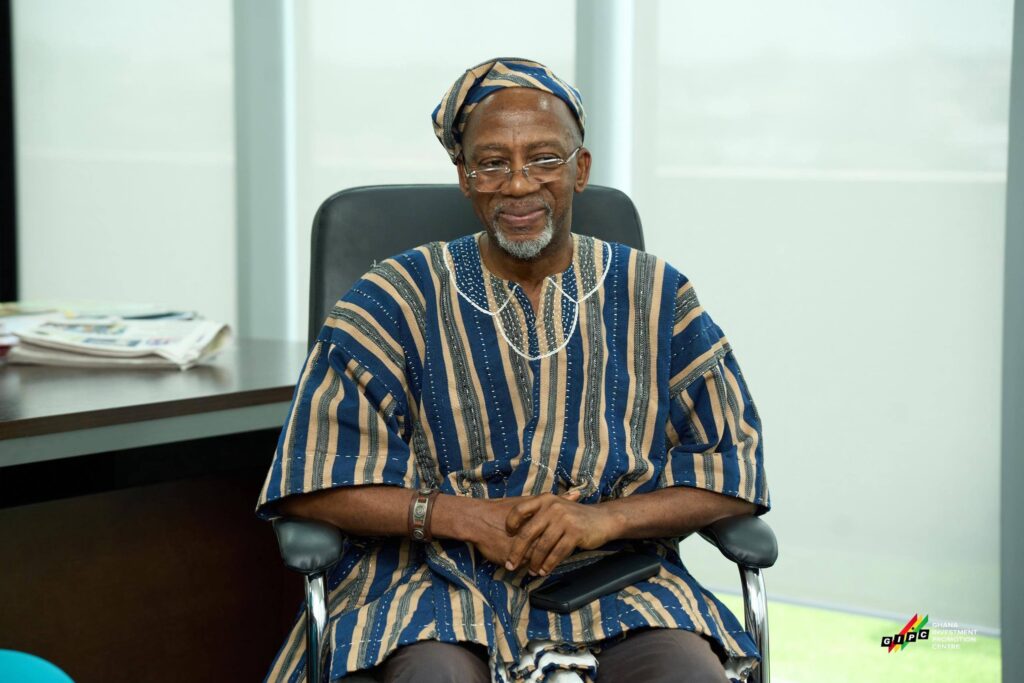
In a recent interview with George Quaye, Rex Omar criticised successive governments for failing to prioritise the structures that support the creative industry. He argued that the intellectual property system remains fragile, leaving Collective Management Organisations (CMOs) struggling to function effectively.
“Ghana is still not ready. Look at our intellectual property industry. The reason all our CMOs are suffering is because the role the state must play, and take seriously, is not being fulfilled,” he stated.
One of the most striking revelations from Rex Omar was that GHAMRO has been operating without a valid licence since 2023, when its authorisation was revoked.
He disclosed that despite serving under both the previous New Patriotic Party (NPP) administration and the current National Democratic Congress (NDC) government, the licensing challenges remain unresolved.
“When the NPP was in power, I was at GHAMRO, it was the same situation. Now my own government is in office, and I am still at GHAMRO, yet for a year we have not had our licence restored. I have engaged the Attorney General and others, but it does not appear to be seen as a priority,” he revealed.
His comments highlight ongoing frustrations within the music rights community, particularly regarding regulatory oversight and government support.
Rex Omar emphasised that Ghana cannot build a thriving creative economy without a solid and enforceable intellectual property framework. He stressed that IP extends far beyond music, covering sectors such as film, design, patents, and innovation.
According to him, policymakers have yet to grasp how significantly the global economy is now driven by creativity and intellectual capital.
“You cannot build a thriving creative economy without a strong IP system. It is not just about music, it includes designs, patents and much more. The national mindset towards the creative ecosystem must change,” he added.
His remarks come at a time when many African countries are positioning their creative industries as key drivers of economic growth and youth employment.
Despite his criticism, Rex Omar expressed cautious optimism about the future. He revealed that he supported President John Mahama’s campaign based on promises to prioritise the creative economy and currently serves under the Black Star Experience Secretariat.
While he described 2025 as a particularly challenging year for stakeholders in the creative space, he welcomed recent developments in the 2026 national budget.
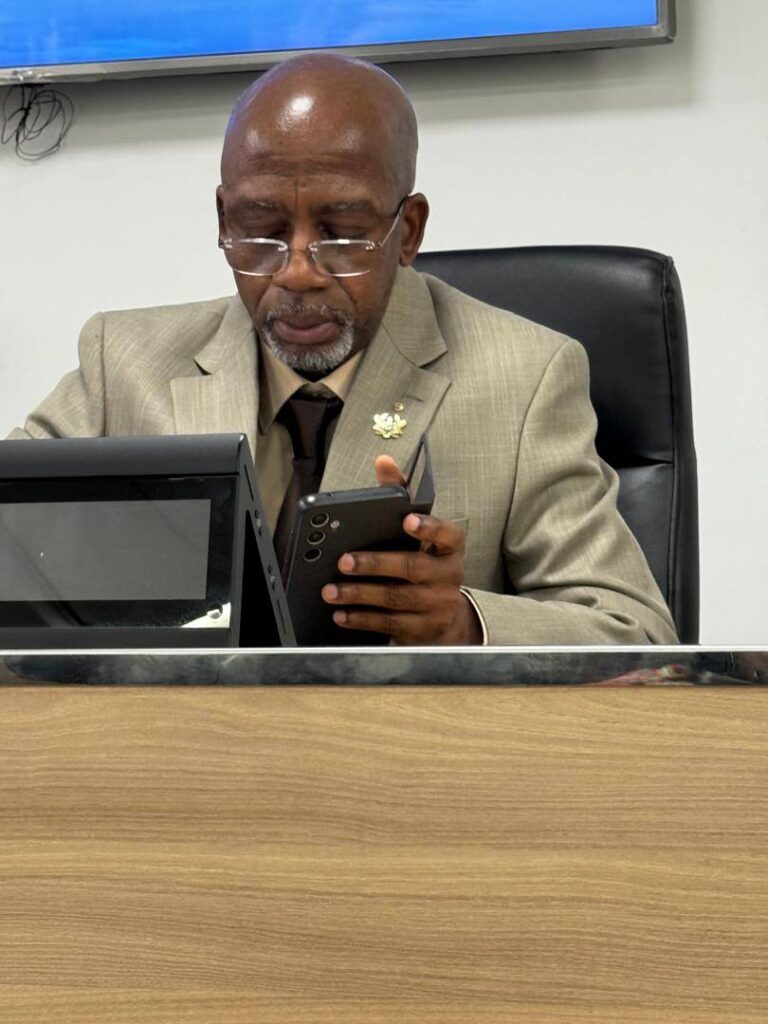
“2025 was a dry year for the sector, but in 2026 we have seen budgetary allocations to the film fund and the music fund. It is a step in the right direction,” he noted.
The inclusion of funding for both the film and music sectors has been seen by many as a positive sign of renewed governmental attention toward the creative arts.
Rex Omar’s statements add to ongoing conversations about policy reform, institutional strengthening, and long-term sustainability within Ghana’s creative industries. Industry players continue to advocate for improved regulation, transparency, and stronger collaboration between the state and creative institutions.
As debates around intellectual property and industry funding intensify, the coming months may prove critical in determining whether Ghana can finally unlock the full economic value of its creative ecosystem.