
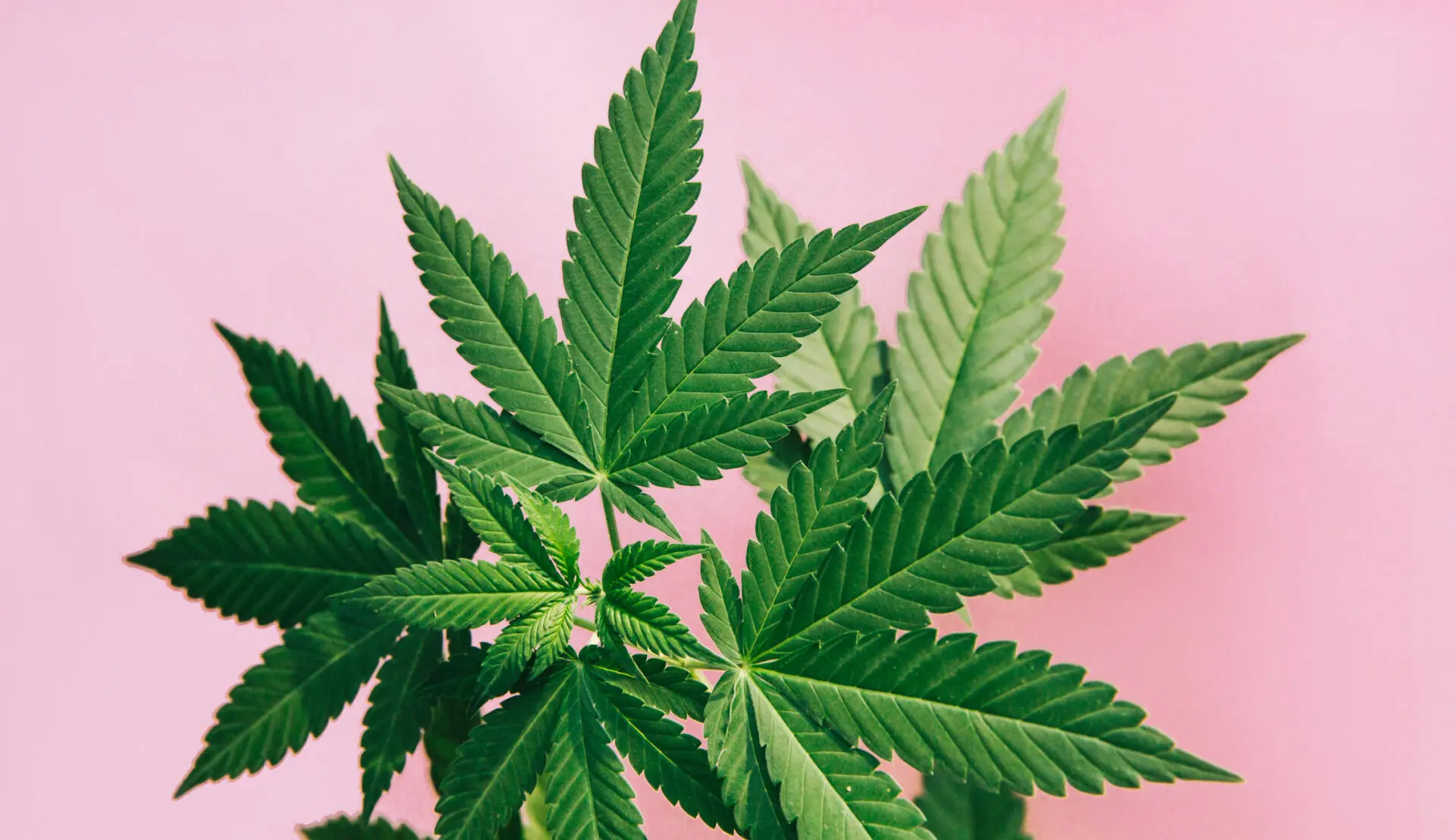
The Narcotics Control Commission (NACOC) has announced plans to introduce a formal licensing system for the cultivation of cannabis strictly for medicinal and industrial purposes in Ghana.
The move follows Parliament’s approval of a regulatory structure and fee framework that permits the controlled cultivation, processing, and utilisation of cannabis with a tetrahydrocannabinol (THC) content not exceeding 0.3 percent. The approval marks a significant step in the country’s efforts to regulate and structure its emerging cannabis industry.

Under the proposed licensing regime, NACOC indicated that permits will only be granted to applicants who meet stringent requirements. These conditions include the implementation of robust security systems, effective product traceability mechanisms, adherence to strict quality assurance standards, and full compliance with all applicable legal and regulatory provisions.
According to the Commission, the new framework is designed to ensure that cannabis cultivation in Ghana remains tightly controlled and aligned with international best practices for medicinal and industrial use.
NACOC has advised prospective investors and stakeholders to engage directly with its Cannabis Regulations Department (CRD) throughout the application process. The Commission cautioned against dealing with intermediaries or individuals who claim they can facilitate license approvals on behalf of applicants.
It stressed that only officially sanctioned procedures will be recognised and processed, warning that any attempt to bypass the established system could result in disqualification or legal consequences.
Francis Opoku Amoah, Acting Director of Public Affairs and International Relations at NACOC, reaffirmed that cannabis use for recreational purposes remains illegal under Ghanaian law. He emphasised that the newly approved regulatory framework does not in any way legalise recreational consumption.
“The law is clear. Cannabis cultivation and processing are permitted only for medicinal and industrial purposes under strict regulatory supervision,” he reiterated.
To ensure effective implementation and monitoring, NACOC will collaborate with key state institutions, including the Ministry of the Interior, the Ghana Standards Authority, and the Food and Drugs Authority. This inter-agency partnership is expected to strengthen oversight, enhance compliance monitoring, and enforce standards across the value chain.
Industry observers say the introduction of a structured licensing system could position Ghana as a competitive player in the global medicinal cannabis and industrial hemp market. With growing international demand for cannabis-derived pharmaceutical products and hemp-based industrial materials, the move is seen as both a public health safeguard and an economic opportunity.
According to NACOC, the initiative aims to balance public safety with regulated innovation. By maintaining strict controls on THC levels and operational procedures, authorities hope to prevent abuse while enabling responsible investment and industrial growth.
As Ghana prepares to roll out the licensing framework, stakeholders in agriculture, pharmaceuticals, and manufacturing are expected to closely monitor developments. The success of the new regime will likely depend on transparency, enforcement, and the Commission’s ability to maintain strict regulatory discipline within the emerging sector.
The introduction of the cannabis licensing system signals a new chapter in Ghana’s drug policy—one focused on regulation, compliance, and economic potential rather than prohibition alone.