
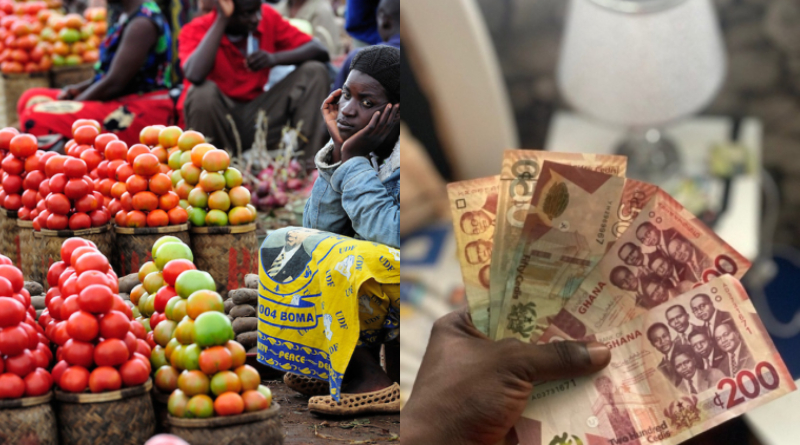
Ghana’s disinflation trend continued into the start of 2026, with headline inflation falling to 3.8 percent in January, the lowest level recorded since 2021. The latest figures confirm a sustained slowdown in price growth and signal improving macroeconomic stability following years of elevated inflationary pressures.
According to the Consumer Price Index (CPI) data released by the Ghana Statistical Service (GSS), January’s reading marks the 13th consecutive month of declining inflation. The CPI stood at 262.3 in January 2026, up from 252.6 in January 2025, reflecting a sharp year-on-year inflation decline of 19.7 percentage points from the 23.5 percent recorded a year earlier.
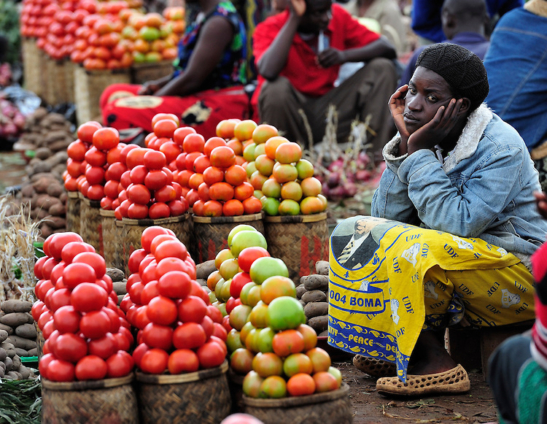
Compared with December 2025, when inflation stood at 5.4 percent, the January figure represents a 1.6 percentage-point drop, reinforcing confidence that price pressures are firmly easing. On a month-on-month basis, prices increased marginally by 0.2 percent, suggesting that inflationary pressures remain subdued.
Both food and non-food components contributed to the slowdown. Year-on-year food inflation declined to 3.9 percent in January, down from 4.9 percent in December 2025. Analysts attribute this moderation to improved supply conditions, better harvest outcomes, and softer price movements in key staple foods.
Non-food inflation also eased significantly, falling to 3.9 percent from 5.8 percent, despite a modest 0.4 percent month-on-month increase. The decline reflects reduced pressure in housing, transport, clothing, and household services, sectors that had previously driven price increases.
Further breakdowns show that services inflation eased to 4.0 percent, while goods inflation slowed to 3.6 percent, underscoring a broad-based disinflation trend across the economy.
The data highlights a sharper decline in prices of locally produced goods, which recorded a 2.0 percent year-on-year increase, compared with 4.3 percent for imported goods. This gap suggests that while domestic production conditions have improved, import-related costs, including exchange rate movements and global price trends, continue to exert upward pressure.
Economists note that the relatively higher inflation for imported goods underscores the importance of maintaining currency stability and strengthening local production to cushion the economy from external shocks.
Despite the national improvement, regional disparities remain pronounced. The North East Region recorded the highest inflation rate at 11.2 percent, while the Savannah Region posted the lowest at 2.6 percent.
Authorities attribute these variations to differences in supply chains, transportation costs, infrastructure, and market access. Regions with higher logistics costs and weaker market integration tend to experience elevated price pressures compared to those with better connectivity.
Commenting on the figures, Government Statistician Dr Alhassan Iddrisu emphasized the need for continued fiscal discipline to sustain the disinflation gains. He noted that the sustained decline reflects improving macroeconomic fundamentals and policy coordination.
The easing inflation aligns with recent monetary policy actions, including the Bank of Ghana’s reduction of the policy rate to 15.5 percent, aimed at supporting economic growth while keeping prices stable.
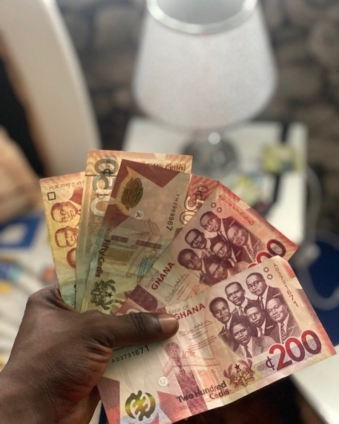
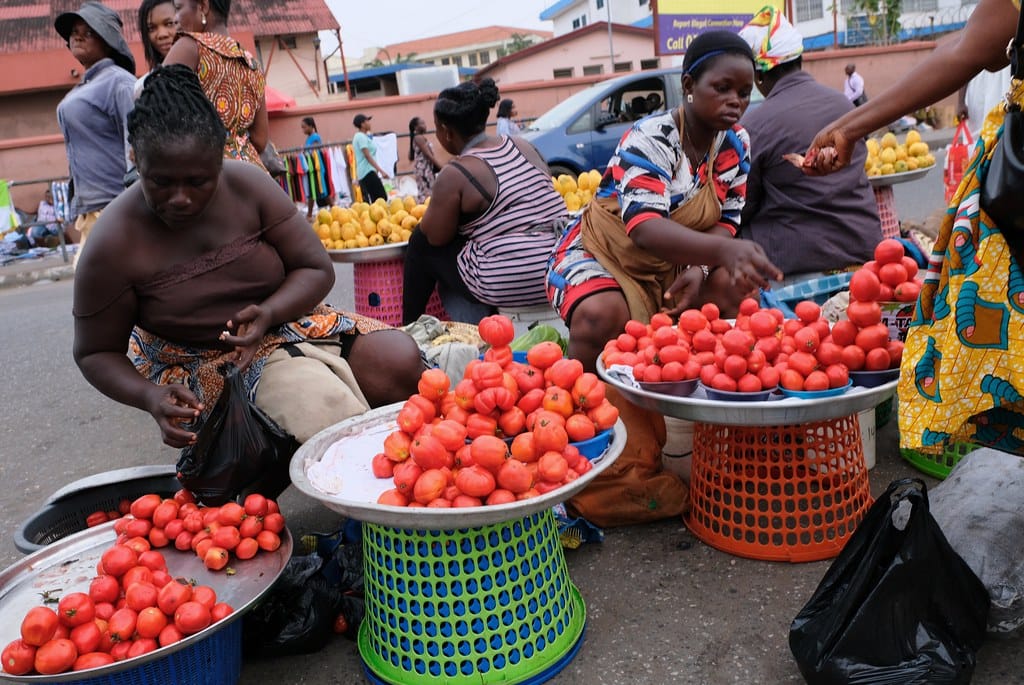
Ghana’s January 2026 inflation data signals a significant turnaround from recent years of high inflation. With both food and non-food prices easing, and inflation at its lowest since 2021, households and businesses could experience improved purchasing power and reduced cost pressures in the months ahead.
While regional disparities and import-related risks remain, analysts agree that Ghana’s macroeconomic outlook has strengthened considerably, provided fiscal and monetary discipline is maintained.