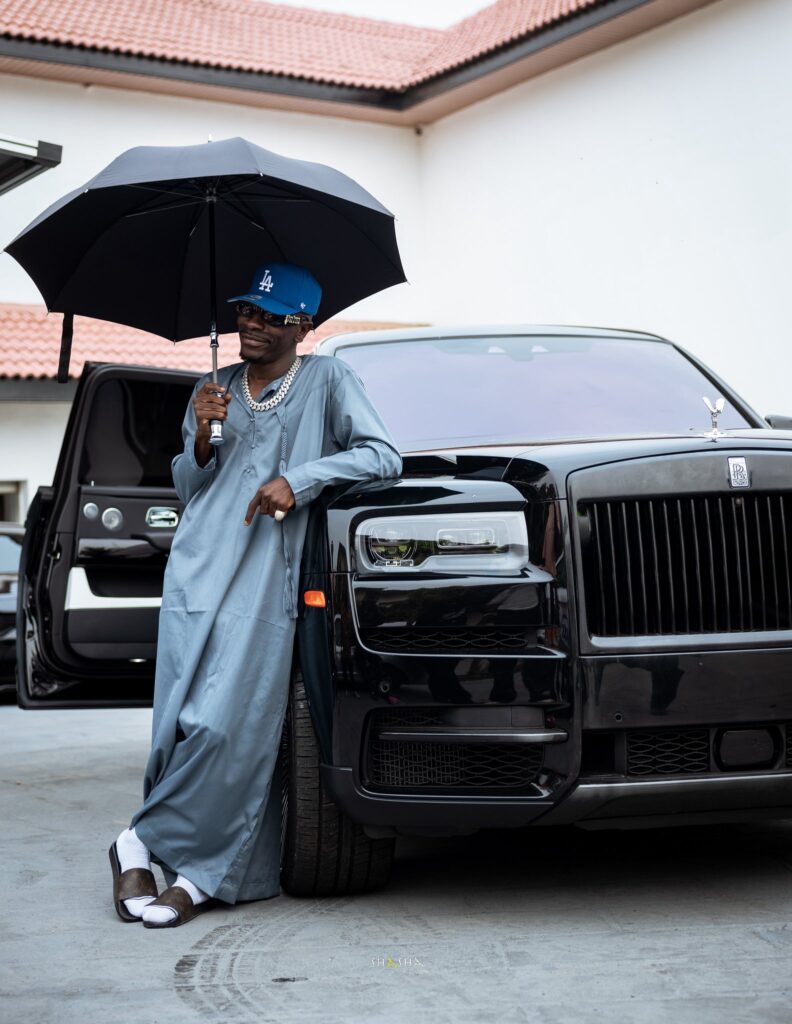
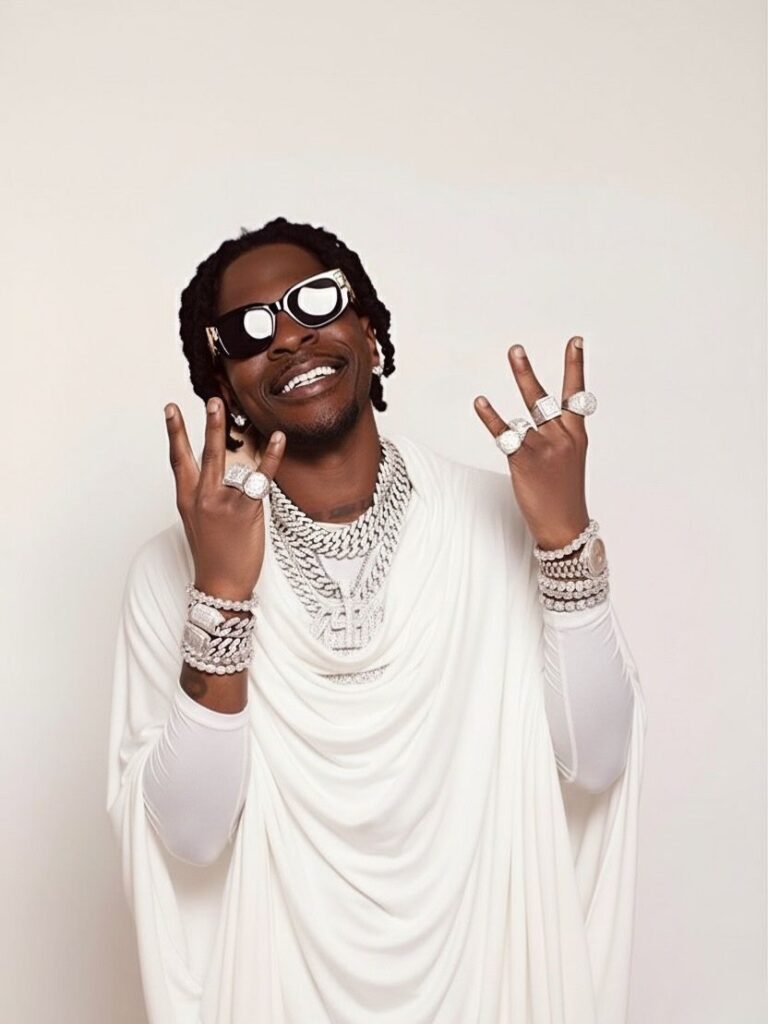
Dancehall artiste Shatta Wale, born Charles Nii Armah Mensah, has responded to an apology issued by Awal Mohammed, a member of the communications team of the New Patriotic Party (NPP), following comments made about his fan base.
The controversy began after Awal Mohammed referred to some of Shatta Wale’s supporters as “junkies” during a live discussion on Joy News morning show on Tuesday, January 20, 2025. The remark immediately sparked backlash from fans of the dancehall star and sections of the public, who viewed the comment as disrespectful and inappropriate.
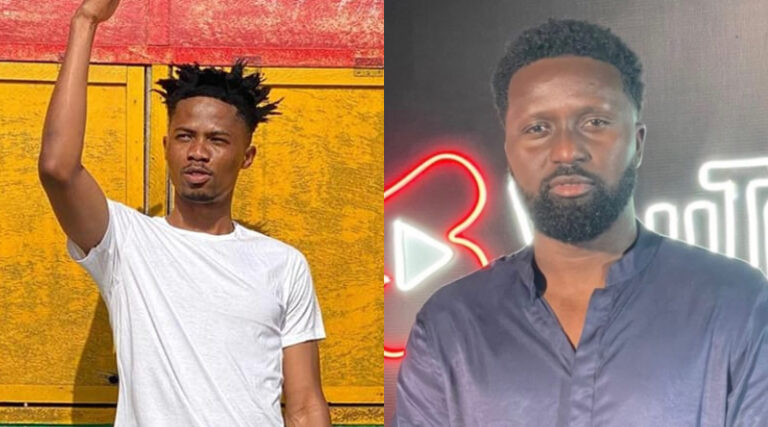
Following the backlash, Awal Mohammed issued a public apology, clarifying that he did not intend to insult Shatta Wale’s supporters. He admitted that his choice of words was wrong and expressed regret over the statement, saying it was not meant to demean or belittle any group of people.
In his response, Shatta Wale acknowledged the apology but made it clear that repeated attacks on his brand and supporters must come to an end.
“Apology noted. But let this be clearly understood by everyone — the continuous tarnishing of Shatta Wale’s brand MUST stop,” the artiste stated.
Shatta Wale used the opportunity to highlight his contributions to Ghana and the global music industry. He stressed that his work goes beyond entertainment, noting that he has represented Ghana internationally, created employment opportunities, inspired millions of young people, and given a voice to the underrepresented.
According to him, it is unacceptable for media figures, political commentators, and other influential personalities to treat his name and brand as something that can be casually attacked. He described such conduct as harmful not only to him personally, but also to the many young people and fans who identify with his journey and message.
“This is bigger than music. This is about respect, fairness, and national maturity,” Shatta Wale added, framing the issue as part of a broader conversation about how public figures and institutions engage with creatives and their communities.
The dancehall star also issued a strong message regarding his supporters, known as the Shatta Movement. He said they are organised, patient, and disciplined, but warned that their patience is not unlimited. According to him, if systems continue to fail ordinary people, they may choose to organise politically — not through noise or hate, but through numbers and truth.
“This is not a threat. This is a reminder of reality,” he said, adding that attacks on a symbol that represents millions of people will have consequences that are social, cultural, and democratic in nature.
Shatta Wale further urged the public to embrace respect, fairness, and progress, stressing that the voice of the people will always find expression — whether in music, business, or leadership. His comments have been widely shared on social media, with many fans praising him for standing up for his brand and his supporters.
The incident has also reignited debate about responsible speech in Ghana’s media and political spaces. Many entertainment industry players and media analysts say the situation highlights the need for greater sensitivity when discussing public figures and their fan communities.
While many have welcomed Awal Mohammed’s apology, others argue that the episode should serve as a reminder for media personalities and political communicators to exercise caution and professionalism in their public commentary.
As the discussion continues, the controversy is being seen as part of a larger national conversation about respect, accountability, and the relationship between politics, media, and entertainment in Ghana.

Shatta Wale Responds to Apology Over “Junkies” Comment