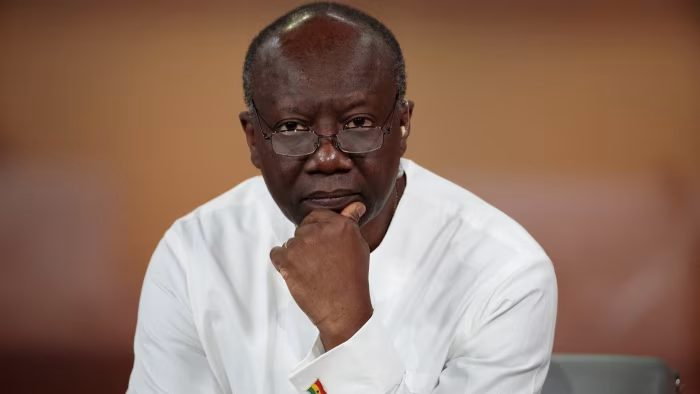

Ghanaian rapper Kofi Mole has ignited intense debate within the entertainment industry after openly questioning the global identity of Ghanaian music, a statement that has divided artists, industry stakeholders, and fans across social media and radio platforms.
Speaking on Luv FM’s DriveTimeOnLuv in an interview with host Melvin, the Odobra hitmaker expressed deep concern about what he described as a lack of direction, unity, and cultural confidence within Ghana’s music industry.

According to him, despite the country’s rich musical heritage and influence across Africa, Ghana has failed to establish a sound that the world can instantly recognise.
“Ghana music is supposed to be booming more than this, but something is wrong,” Kofi Mole said. “Everybody is on their own. I don’t even feel an industry vibe.”
Central to his criticism was Ghana’s decision to move on too quickly from Azonto, a genre and dance movement that once dominated African pop culture. Kofi Mole argued that Azonto represented Ghana’s strongest opportunity to build a lasting global music identity.
“Azonto could have been our global sound,” he stated. “That was our identity and we put it in the trash.”
His remarks have reignited long-standing conversations about why Ghana, often regarded as the cultural gateway to Africa, has struggled to own a defining sound on the global stage. Drawing comparisons, the rapper noted how other countries have successfully branded their music internationally.
“Nigeria is known for Afrobeats. South Africa owns Amapiano. Jamaica owns reggae,” he said. “But Ghana? We don’t have that one sound the world knows us for.”
Kofi Mole also directed criticism at industry gatekeepers, accusing them of allowing pride, impatience, and excessive trend-chasing to undermine cultural preservation. He argued that Ghanaian music trends are often abandoned before they have time to mature and evolve into globally marketable movements.
“We move on too fast,” he explained. “Before a sound can grow, people say it’s old and force artists to chase the next thing.”
Beyond industry leadership, the rapper pointed to disunity among artists and the role of fans and online culture in discouraging originality. According to him, constant ridicule and negative commentary on social media have pushed musicians away from authentic Ghanaian sounds.
“You can work all day in the studio, then someone wakes up online to trash your work,” he said. “That alone can make artists abandon the sound.”

Reflecting on personal experience, Kofi Mole recalled the backlash he faced after releasing an Azonto-inspired track in 2025, questioning how a genre once celebrated nationally has become a target of mockery.
“Someone said I should stop doing Azonto music,” he recalled. “I asked: Why is Azonto suddenly ‘Indian music’? That’s our identity.”
Despite the controversy, Kofi Mole insists his comments are driven by concern rather than bitterness. While acknowledging the progress Ghanaian music has made, he believes the industry is capable of achieving far greater global impact.
“We are doing well, but we are supposed to be doing way better,” he said. “Ghana is the gateway to Africa — our music should reflect that power.”