

Ghanaian highlife musician Afriyie, best known as a former member of the celebrated duo Wutah, has reignited debate around technology and creativity in music by calling on organisers of music awards schemes to introduce a category for Artificial Intelligence (AI) generated songs.
The artiste made the suggestion in a Facebook post on Thursday, January 8, 2026, as discussions around the influence of AI continue to intensify within the Ghanaian music industry. Afriyie’s comment reflects a growing awareness of how rapidly technology is reshaping music creation, production and recognition.
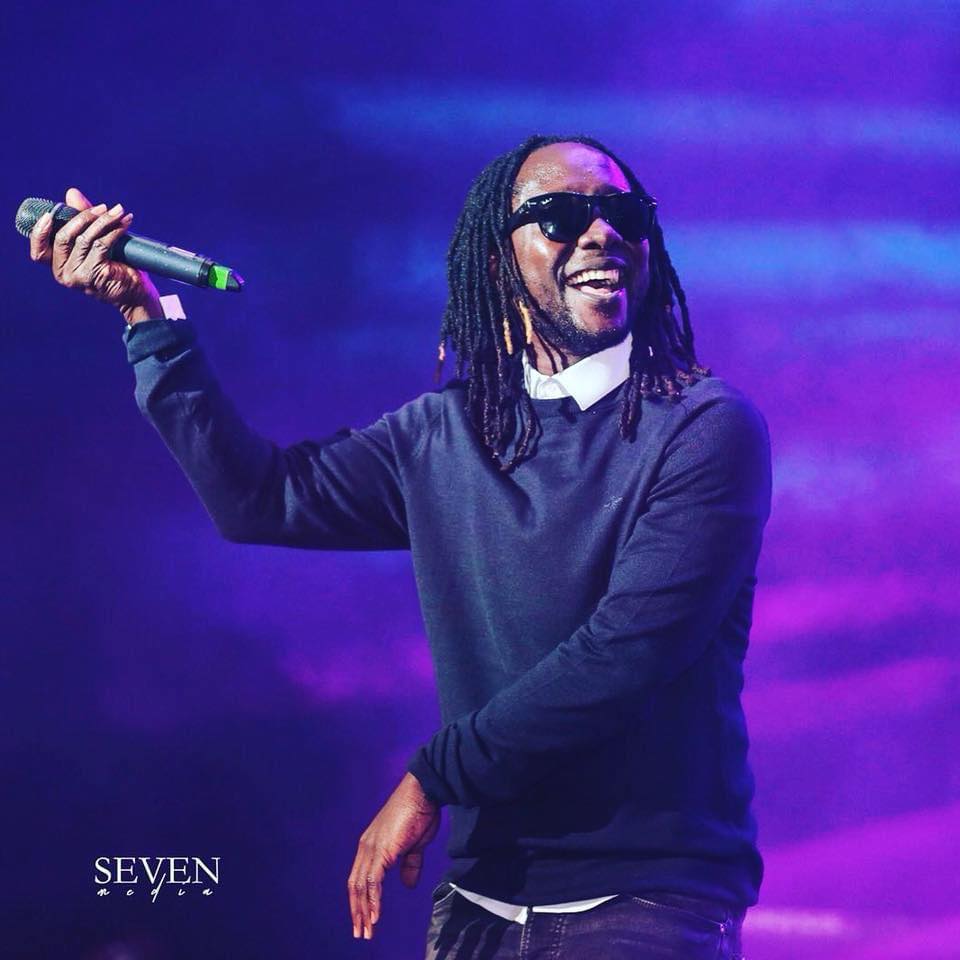
In his post, Afriyie argued that the rise of AI-generated content makes it necessary for award schemes to evolve. He suggested that separating AI-created works from traditional human-composed music would promote fairness and transparency in award competitions. His remark, delivered in a characteristically casual tone, quickly gained traction and sparked widespread discussion among musicians, fans and industry stakeholders.
The debate around Artificial Intelligence in music has become increasingly prominent in Ghana. While some musicians and creatives believe AI threatens originality and undermines artistic effort, others see it as an inevitable part of modern music-making that should be embraced rather than resisted. Proponents argue that AI tools can enhance creativity, speed up production and open new possibilities for sound exploration.
Afriyie’s proposal raises fundamental questions about authorship, creativity and originality, particularly within competitive award schemes. If a song is largely generated by an AI tool, critics argue, should it compete directly with works born purely out of human inspiration? Creating a distinct category for AI-generated songs could help address such concerns while acknowledging the growing role of technology in music.
Globally, similar conversations are already shaping policies in the creative arts. Major international award bodies have begun clarifying their positions on AI-assisted works, often emphasizing that human creative control must remain central. These developments highlight the need for clear guidelines that define how AI can be used without overshadowing human contribution.
In Ghana, award schemes such as the Telecel Ghana Music Awards have historically adapted their categories to reflect changing musical trends and genres. Afriyie’s comments have therefore led many to wonder whether AI-generated music could soon receive formal recognition within existing frameworks or inspire the creation of entirely new categories.

One of the most contentious issues remains songwriting. Industry observers question how awards will assess songs where lyrics, melodies or arrangements are produced by AI tools. As more individuals experiment with creating virtual or AI-powered artistes, the challenge of distinguishing between human and machine input is expected to grow.
Afriyie’s call does not provide definitive answers, but it brings renewed attention to an issue that is unlikely to fade. As technology continues to influence how music is created and consumed, Ghana’s music industry may soon be forced to define clearer boundaries between human artistry and artificial intelligence.
Ultimately, whether or not an AI-generated songs category is introduced, the conversation sparked by Afriyie underscores a pivotal moment for Ghanaian music—one where innovation and tradition must find a balanced path forward.