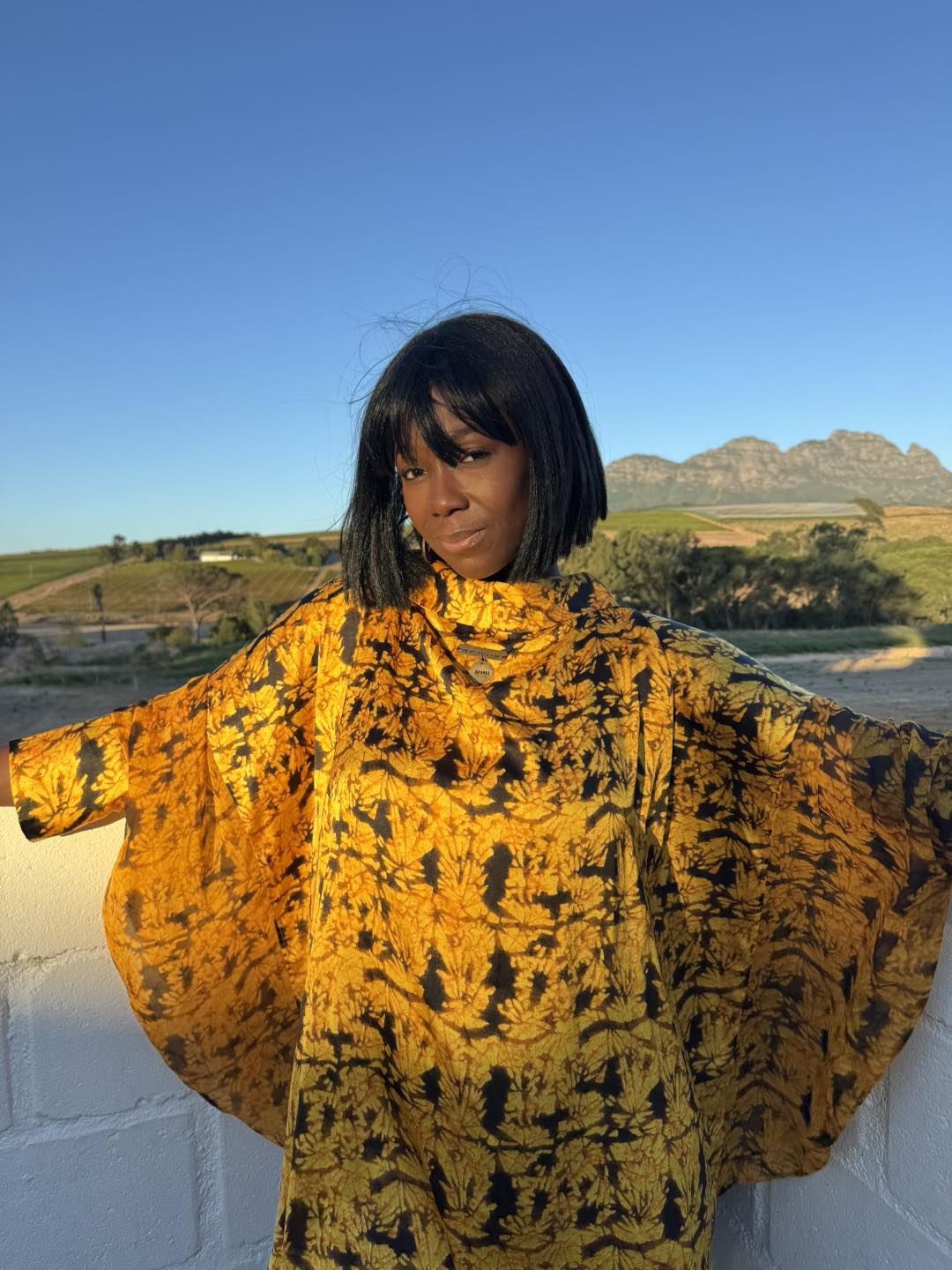
Ghanaian actress and activist Ama K. Abebrese has strongly criticised the appointment of men with histories or allegations of sexual misconduct to high-ranking governmental positions.
Her comments, which have since sparked a heated public debate, call attention to the wider concerns of ethical leadership, gender protection, and accountability within the nation’s governance structures.

In a post shared on her social media platforms, Ama K. Abebrese expressed deep disappointment over what she describes as a troubling trend within Ghana’s public leadership. According to her, nations that prioritise ethical governance and gender justice would never elevate individuals with such troubling backgrounds to influential roles.
“There is no serious country that will appoint men who have a documented history and allegations of sexual assault/sexual harassment against females to high governmental positions. It sends the message that men can abuse females and be rewarded. Do Better Ghana,” she wrote.
Her remarks come amid growing public reactions to recent government appointments involving individuals with previously reported cases of sexual impropriety. The conversation has opened a broader national debate about the standards of accountability required of public office holders, particularly in matters involving gender-based misconduct and abuse of power.
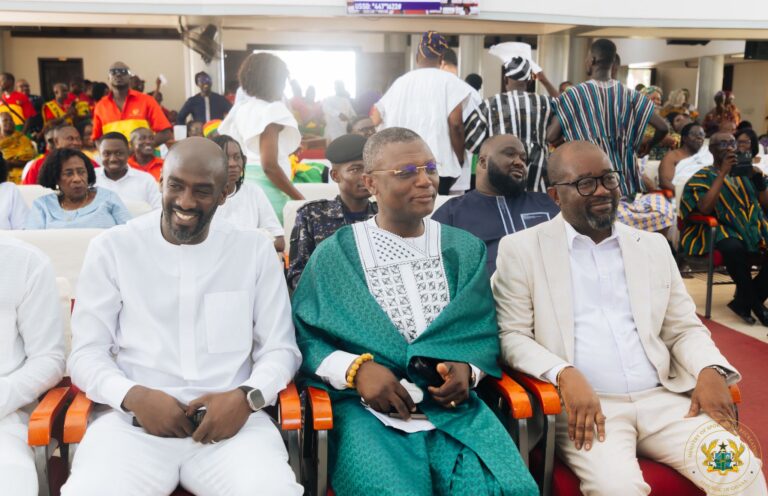
The latest controversy follows the appointment of Kwasi Kyei Darkwah (popularly known as KKD) as Ghana’s Special Envoy to the Caribbean Region. KKD, a renowned broadcaster and cultural figure, was in the past accused of sexual misconduct — a case that attracted widespread media attention and public scrutiny. Although the matter did not result in a conviction, the allegations remain part of a long-standing public conversation about consent, accountability, and power dynamics.
Similarly, earlier this year, Professor Ransford Gyampo was appointed as Chief Executive Officer of the Ghana Shippers Authority. Gyampo, a political science academic at the University of Ghana, was previously involved in a sexual harassment scandal connected to the BBC’s “Sex for Grades” documentary. While he denied wrongdoing and maintained his innocence, the incident placed him at the centre of public debate over academic ethics and professional conduct.
Ama K. Abebrese’s criticism amplifies the concerns raised by many civil society groups, gender-rights activists, and citizens who argue that Ghana must take stronger steps to ensure that its leaders exemplify integrity, accountability, and respect for women’s rights. According to these groups, appointing individuals with such records sends the wrong signal — that allegations of sexual misconduct are not serious enough to influence leadership decisions.
Before the actress shared her comments, other prominent voices had already begun calling for a more rigorous vetting process for public office holders. Many argue that Ghana must adopt stricter ethical standards, similar to those enforced in countries where leaders are held accountable for both their professional conduct and personal behaviour. This includes ensuring that allegations of sexual harassment, even if not criminally prosecuted, are thoroughly considered during appointment reviews.
Gender activists have also highlighted the potential long-term impact of these appointments. They warn that placing individuals with sexual misconduct allegations in high office may discourage victims from reporting abuse, as it reinforces the perception that powerful men can act with impunity. Additionally, they argue that such appointments undermine national commitments to gender equality and women’s empowerment.
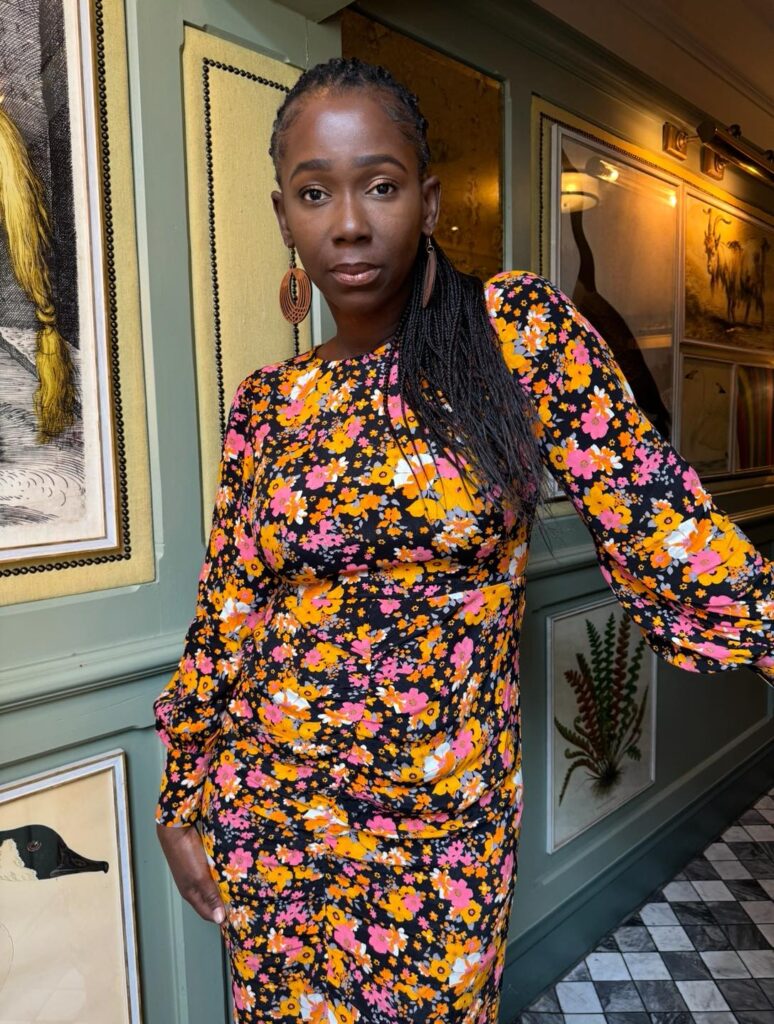
Ama K. Abebrese is widely recognised for her longstanding advocacy for social justice and women’s rights. Her voice carries significant influence, and her willingness to address uncomfortable subjects has earned her the respect of many both within and outside Ghana’s entertainment industry. Her latest statement has reignited public discourse on the need for Ghana to strengthen institutional checks and uphold values that protect women and vulnerable groups.
As discussions intensify, many Ghanaians are calling on the government to respond to these concerns by reviewing vetting procedures and ensuring that individuals entrusted with public responsibility embody the highest standards of ethical behaviour. The debate continues to highlight the critical connection between leadership integrity and national progress.
For now, Ama K. Abebrese’s comments stand as a strong reminder that Ghana must take deliberate steps to promote accountability, respect for women, and ethical governance at all levels. The conversation she has sparked is expected to continue influencing national debates on leadership, policy, and justice.