The Institute of Climate and Environmental Governance (ICEG) has expressed concern over what it describes as significant “shortfalls” in the energy sector proposals outlined in Ghana’s 2026 Budget Statement and Economic Policy.
While commending the government’s continued commitment to energy security, ICEG warns that several measures in the budget risk becoming temporary fixes rather than long-term solutions to the sector’s structural challenges.
Kwesi Yamoah Abaidoo, Policy Lead for Climate Finance and Energy Transition at ICEG, stressed that the underlying technical deficiencies must be addressed to sustainably improve energy reliability.
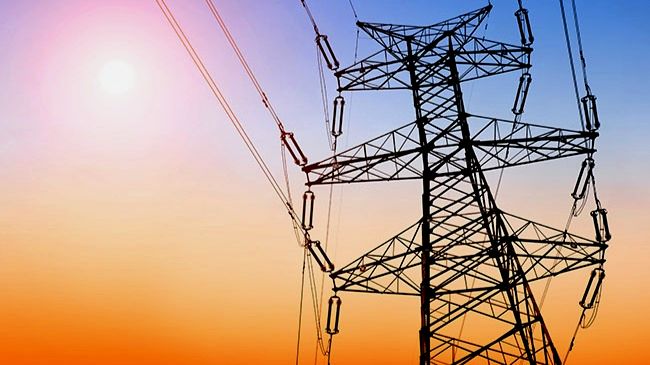
“Although these actions keep the lights on, they don’t fix the underlying technical issues, which include weak grid infrastructure, inefficient plants, high system losses, and outdated metering,” he stated.
ICEG’s assessment pointed to several short-term interventions—such as the payment of arrears, restoration of letters of credit, and settlement of outstanding invoices—as measures that might improve cash flow temporarily but fail to confront Ghana’s deep-seated operational inefficiencies.
One of the institute’s key concerns is the government’s plan to add a 1,200 MW state-owned thermal power plant under the GPP-2 project. According to ICEG, Ghana’s current installed capacity already exceeds demand growth, raising fears that the new plant could become a long-term financial burden due to foreign exchange exposure and the risk of stranded assets.
ICEG also challenged a major claim in the budget: that switching to domestic gas would reduce generation costs by 75%. The institute argued that this projection is unrealistic, citing the ongoing challenges posed by inefficient thermal plants, additional processing and transportation fees, and dollar-indexed gas and power contracts.
The Cash Waterfall Mechanism (CWM), which the government expects to increase revenue declarations from GH¢950 million to GH¢1.7 billion, also came under scrutiny. ICEG noted that although the mechanism streamlines revenue distribution, it does not improve operational efficiency nor guarantee effective debt recovery from independent power producers (IPPs).
In addition, the institute expressed reservations about the Private Sector Participation (PSP) process for the Electricity Company of Ghana (ECG). ICEG argued that without clearly defined technical and commercial performance indicators—including feeder reliability, loss reduction, and collection efficiency—the PSP initiative may yield minimal improvements.
ICEG’s assessment further criticised the budget’s heavy focus on thermal infrastructure at the expense of renewable energy investments and smart grid technologies. These omissions, it said, pose a threat to Ghana’s long-term energy diversification goals.
To address the identified gaps, ICEG proposed several reforms, including a performance-based CWM, a foreign exchange hedging policy for gas and IPP contracts, and a structured PSP framework with clear KPIs.
Abaidoo concluded that adopting these reforms would help strengthen the sector:
“Incorporating these recommendations into the implementation scheme will enhance efficiency and ensure value-for-money in the initiatives earmarked for 2026.”
The 2026 Budget, presented by Finance Minister Dr. Cassiel Ato Forson, seeks to stabilize Ghana’s energy sector amid ongoing challenges with generation shortfalls, distribution inefficiencies, and rising IPP-related financial obligations.